Asphalt Crack Sealing Services in San Jose & the Bay Area
EARTHTEK's asphalt crack sealing stops small cracks from becoming costly damage by protecting your pavement from water intrusion and preserving its strength for years.



Protect Pavement with Expert Crack Sealing in San Jose, CA
Cracks left untreated can quickly expand, allowing water and debris to damage the base layer beneath your pavement. EARTHTEK's professional crack sealing service provides a strong, flexible seal that stops deterioration in its tracks.
Our sealing materials bond directly to the asphalt, preventing moisture intrusion and extending the life of your pavement. Whether it is a parking lot, a drive lane or a private road, EARTHTEK helps protect the surface before small issues become costly repairs.
Get a Free Estimate
Fill out the form below and we'll get back to you within 1 business day.
What does crack sealing do?
Crack sealing keeps water and debris out of cracks so the base under the asphalt stays dry and strong. That slows the chain of damage that leads to potholes. It is preventive maintenance for pavement that is otherwise sound. It does not repair structural damage such as alligator cracking, which needs patching instead.
Cracks are the path water uses to reach the base and the soil beneath it, and a wet base is a weak one. Caltrans' crack treatment guidance is clear about the limits, though: sealing works when the pavement structure is otherwise sound, and it will not treat the tight, scaly pattern known as alligator cracking, which is a structural failure. Those areas need full-depth patching.
You will hear "crack sealing" and "crack filling" used interchangeably. Strictly speaking, sealing treats cracks that open and close with temperature, using a flexible material, while filling treats cracks that do not move much. We do both.
How is crack sealing done?
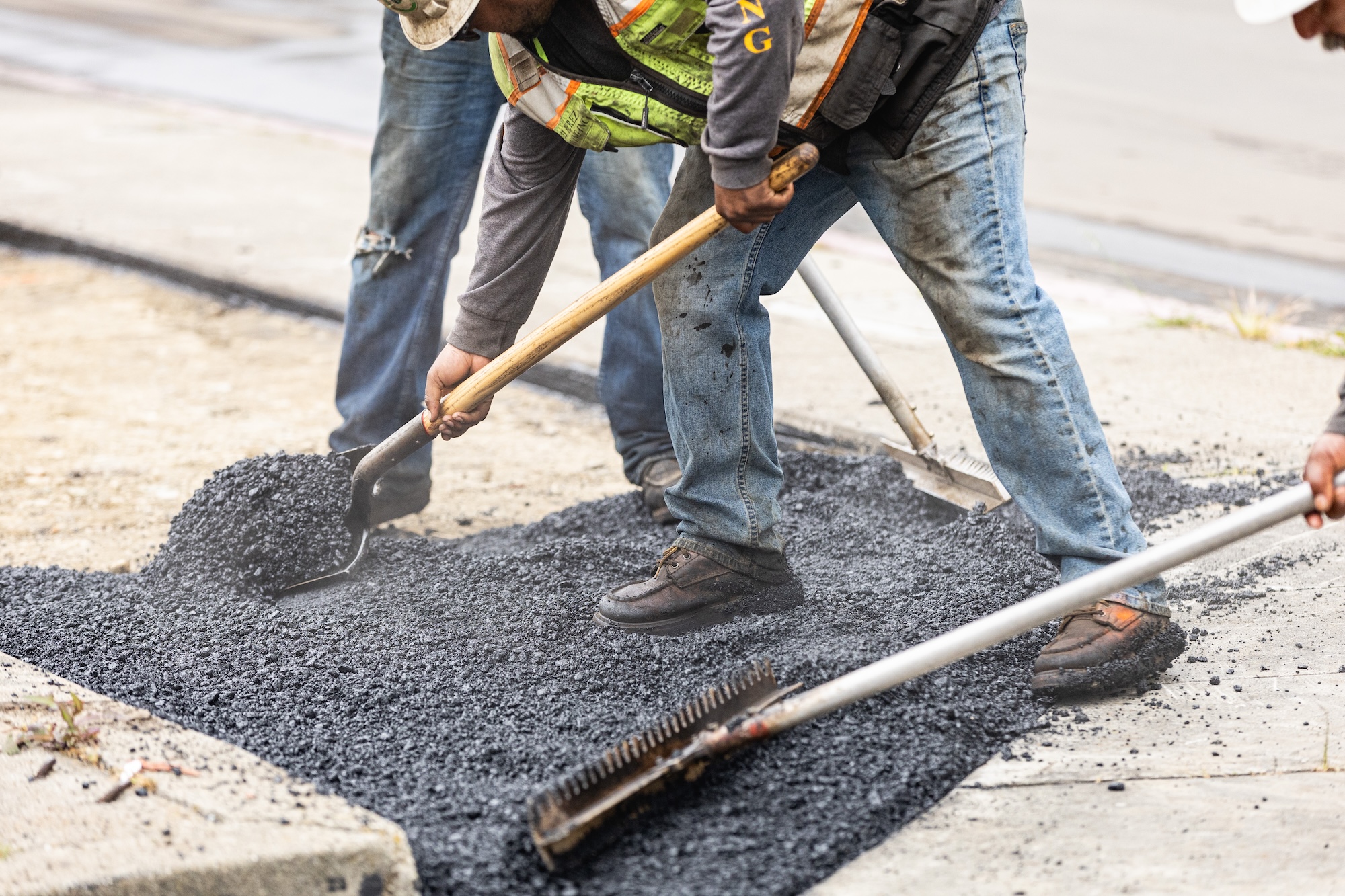
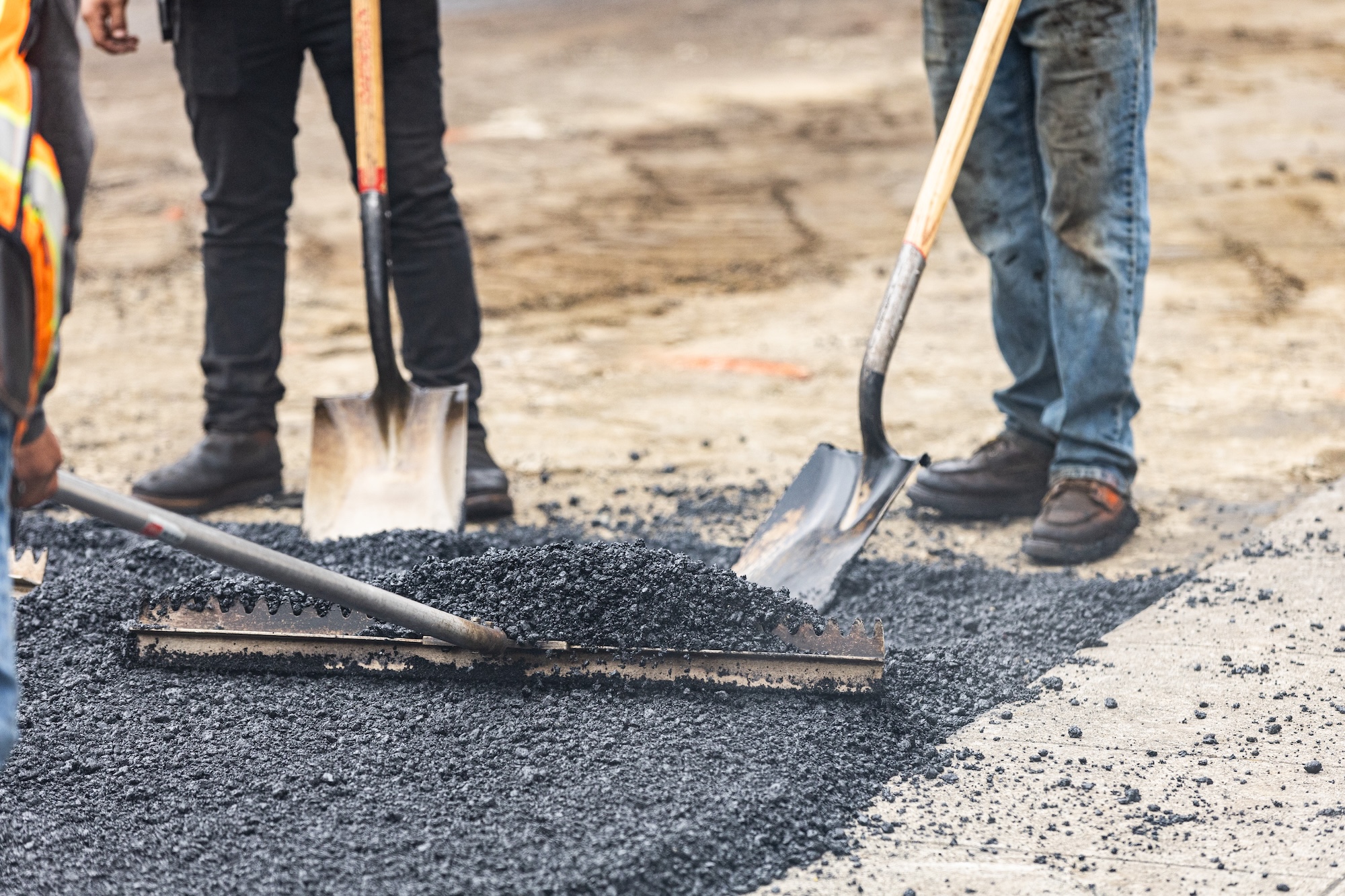
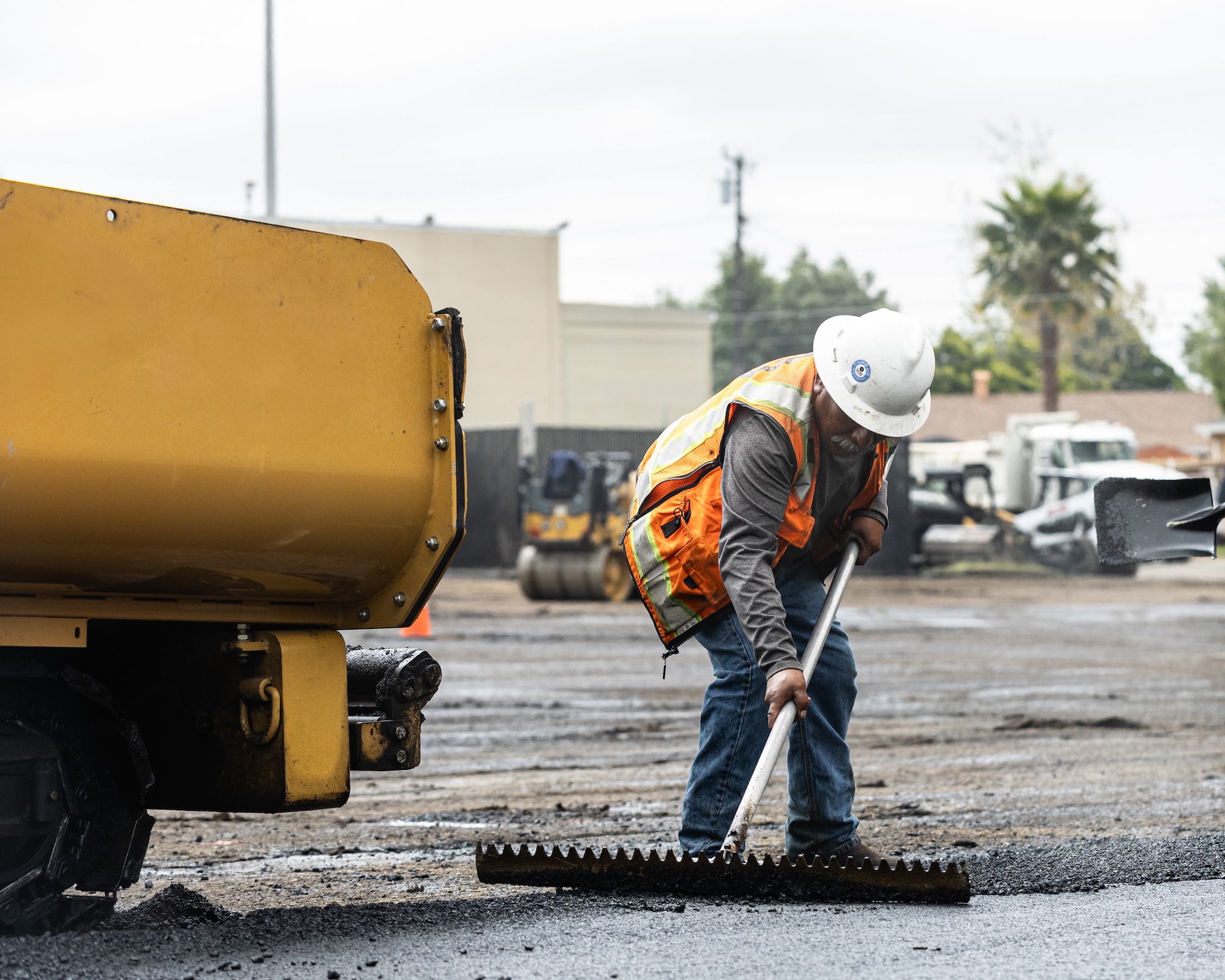
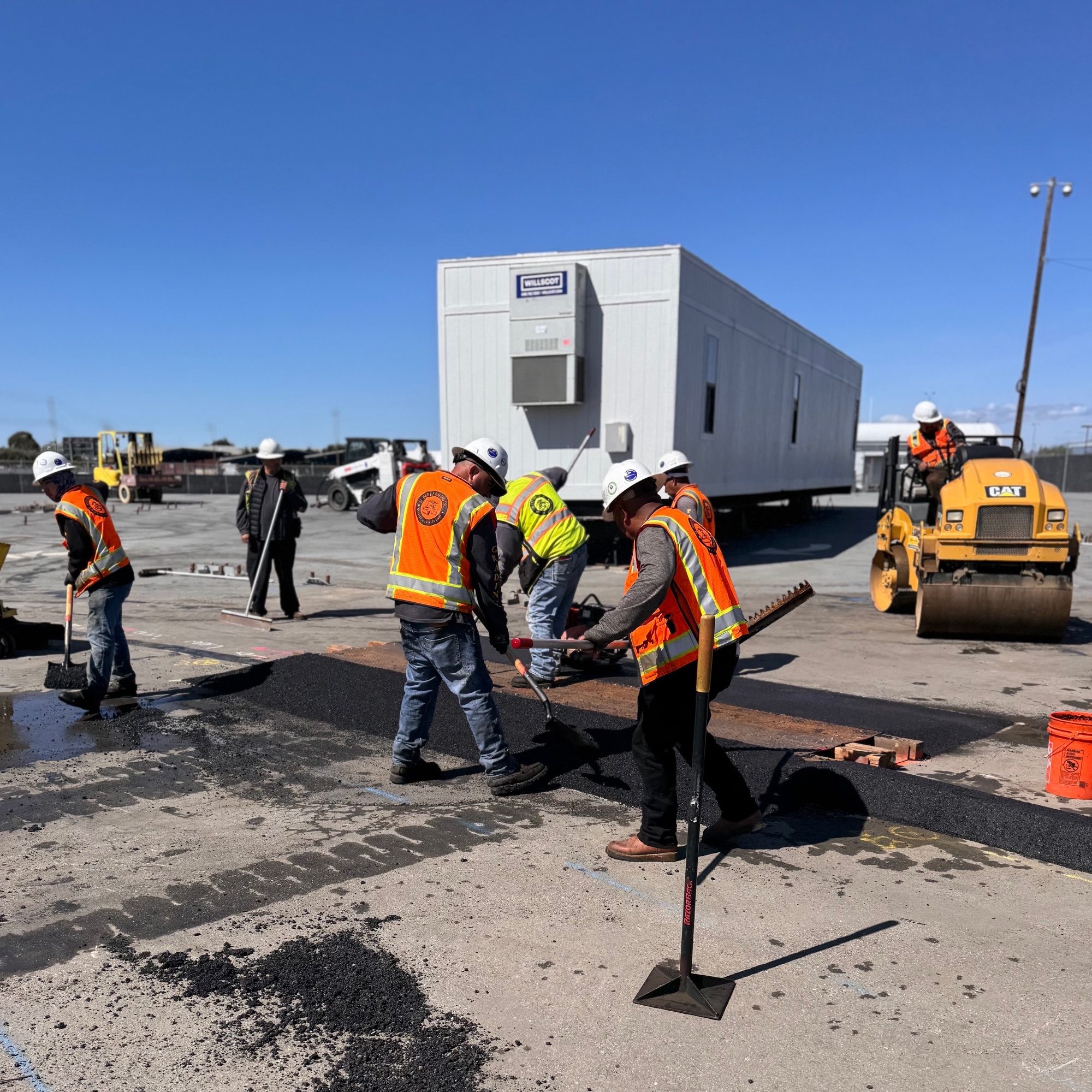
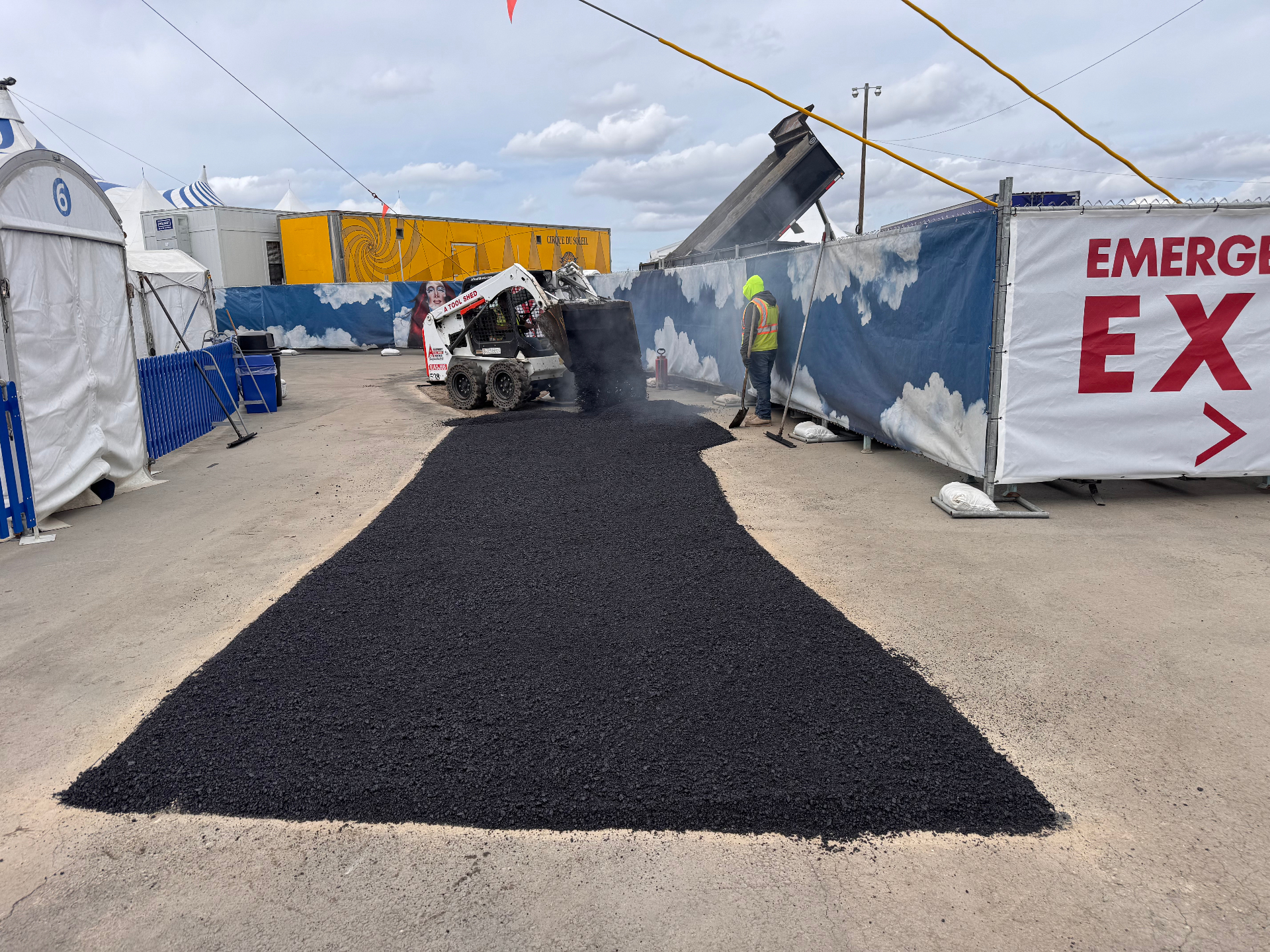
Crews rout or clean each crack, make sure it is dry, apply the sealant, finish it flush with the surface and let it set before traffic returns. Preparation decides how long the seal lasts: sealant placed in a dirty or damp crack will not bond and fails early.
- Assess the cracks. Not every crack is a candidate for sealing. Caltrans typically treats cracks wider than a quarter inch, and very wide or broken-up cracks need a different material or a patch.
- Rout where it helps. Straight, active cracks may be routed into a clean channel so the sealant has room to stretch.
- Clean. Compressed air removes rock, dust, debris and vegetation. Sealant will not bond to a dirty crack.
- Dry. A damp crack is dried, often with a hot-air lance, before any material goes in.
- Apply the sealant. Material is placed from the bottom up so the crack is filled without being overfilled.
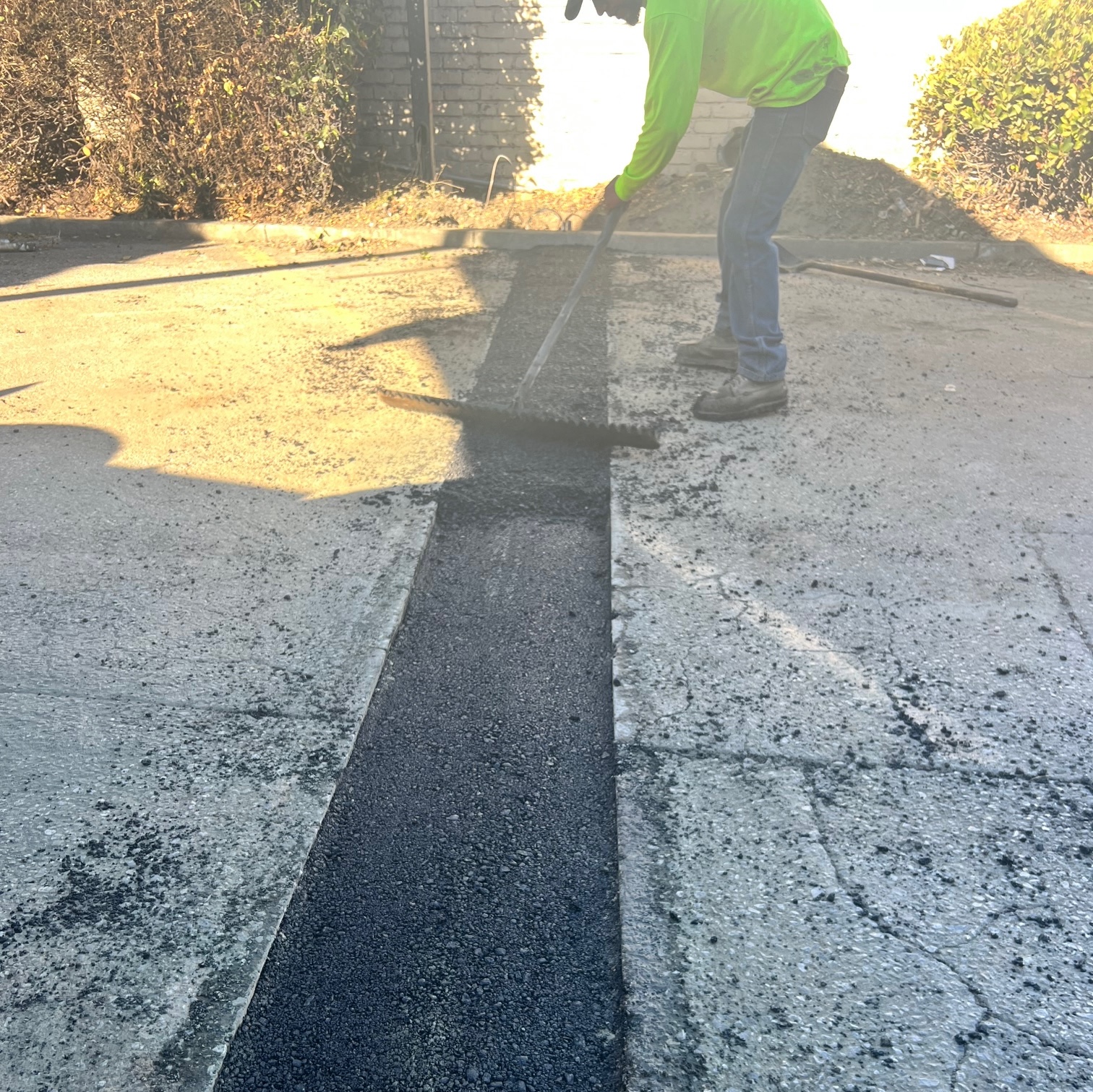
- Finish flush. The seal is squeegeed level with the surface. Wide bands of excess material look poor and ride rough.
- Let it set. Hot-applied sealant sets as it cools. The area stays closed until the material no longer tracks under tires.
Weather matters. Caltrans recommends sealing in cool to moderate conditions, typically spring or fall, and not when rain is likely.
What sealants are used on commercial lots?
Two families of material are used. Hot-applied rubberized sealants are melted and placed hot; they stay flexible and are the usual choice for cracks that open and close with temperature. Cold-applied emulsion fillers are poured at ambient temperature and suit smaller, stable cracks in lower-traffic areas. Wide or deteriorated cracks may need a mastic.
- Hot-applied rubberized sealant. Bonds well and stretches with the crack. This is what EARTHTEK uses for most commercial crack sealing.
- Cold-applied (emulsion) filler. Poured without heating. It cures as the water evaporates, which can take several days, and is usually sanded before traffic returns. We use it for smaller cracks and lower-traffic areas.
- Mastic. A hot-applied material with fine aggregate, for cracks wider than about an inch and a half or with broken edges.
Our licensed, insured technicians clean, route and seal cracks with the right equipment for the job.
How long does crack sealing last?
How long a seal lasts depends mostly on preparation and material. Caltrans, citing federal highway research, puts hot-applied rubberized sealant at about 6 to 8 years of service and emulsion-type materials in unrouted cracks at about 2 to 4 years. Parking lot results vary with traffic, crack movement and workmanship. These are general research figures for pavement, not a promise about any individual job.
What shortens the life of a seal:
- Sealant placed in a dirty or damp crack
- The wrong material for the crack, or sealant that was overheated
- Work done in cold or wet weather
- Cracks caused by a failing base, which keep moving and break the seal
Check sealed cracks about once a year and reseal the ones that have opened before the winter rain.
How much does crack sealing cost?
Crack sealing is priced by the amount and condition of the cracking, not by a flat rate, so EARTHTEK prices it after a site visit. The main factors are:
- Length and width of the cracks. The total linear footage to be sealed is the biggest driver.
- Condition of the cracks and the pavement. Wide, weedy or broken-edged cracks take more preparation and more material, and cracks caused by a weak base may need patching instead.
- Lot size and layout.
- Phasing. Keeping part of the lot open during the work takes extra planning and sequencing.
- Sealant. Hot-applied rubberized sealant and cold-applied filler are different materials.
- Work bundled with other services. Sealing done together with patching or sealcoating shares the cost of getting crews and equipment to the lot.
- Location and travel distance.
Why we price from a site visit. Commercial pavement pricing depends on conditions that cannot be seen from the street, and a quote built without them is a guess. A site visit lets us check the condition of the pavement, measure the lot, and plan the work around your business. EARTHTEK offers free on-site assessments and written estimates.
Caltrans' guide cites the Federal Highway Administration's view that crack sealing is the most cost-effective preventive maintenance tool available. Request a free estimate and we will measure the cracking and price it.
Should cracks be filled before sealcoating?
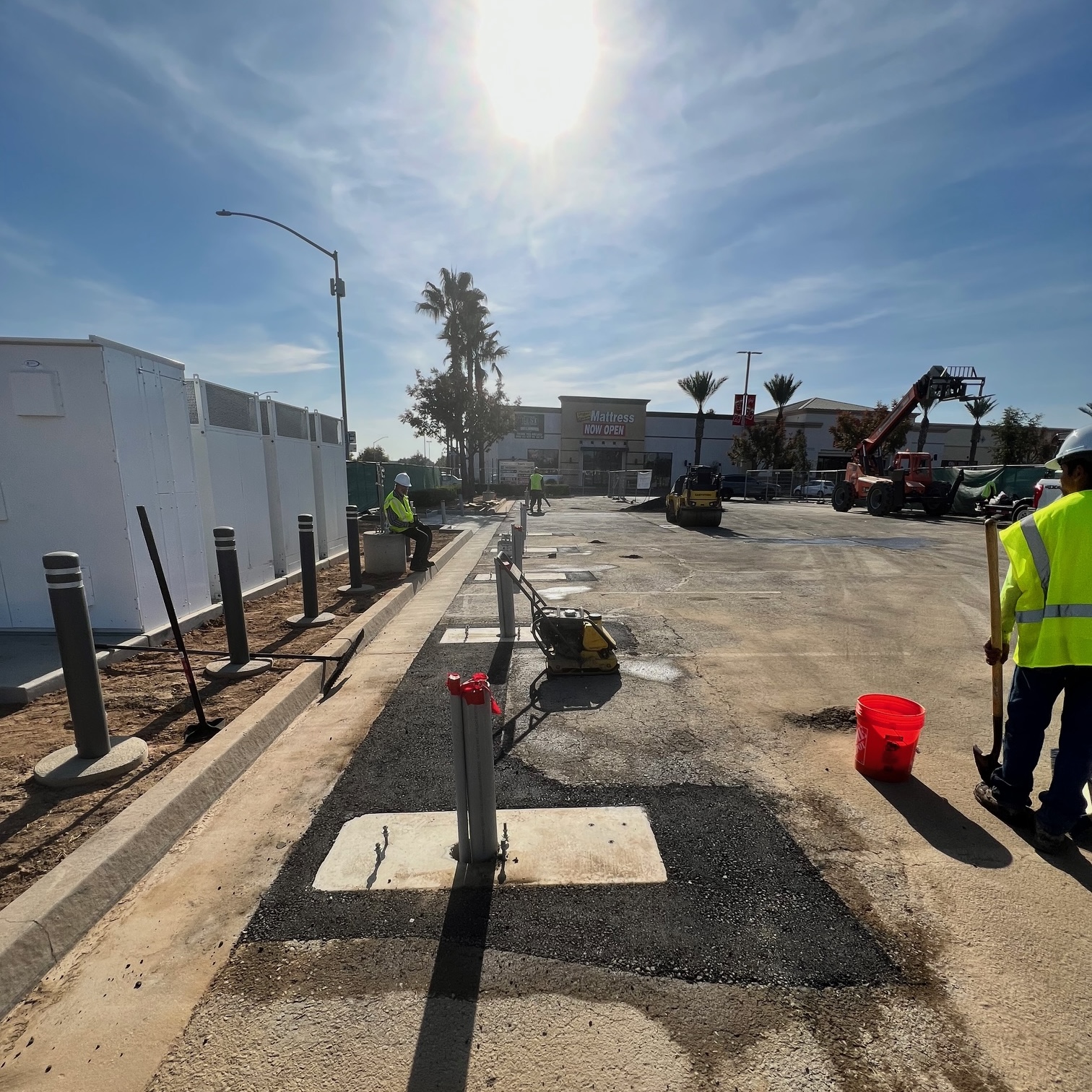
Yes. Sealcoat is a thin surface coating and will not bridge an open crack, so water keeps getting in underneath it. Cracks are sealed first as part of preparation, then the sealcoat goes over the top. Doing it in that order protects both the pavement and the sealcoat.
For the full sequence, see our commercial sealcoating page. If your lot is on a schedule, our sealcoating maintenance programs plan both together.
Why EARTHTEK for Asphalt Crack Sealing
Prevents Costly Water Damage — Professional crack sealing creates a waterproof barrier that stops water from penetrating the base layer, preventing erosion, weakening, and the expensive repairs that follow untreated cracks.
Extends Pavement Lifespan — Sealing cracks early slows the damage that leads to potholes and base failure, so the pavement goes longer between major repairs.
Priced After a Site Visit — We measure the cracking and price the work from an on-site assessment, so your estimate reflects your lot.
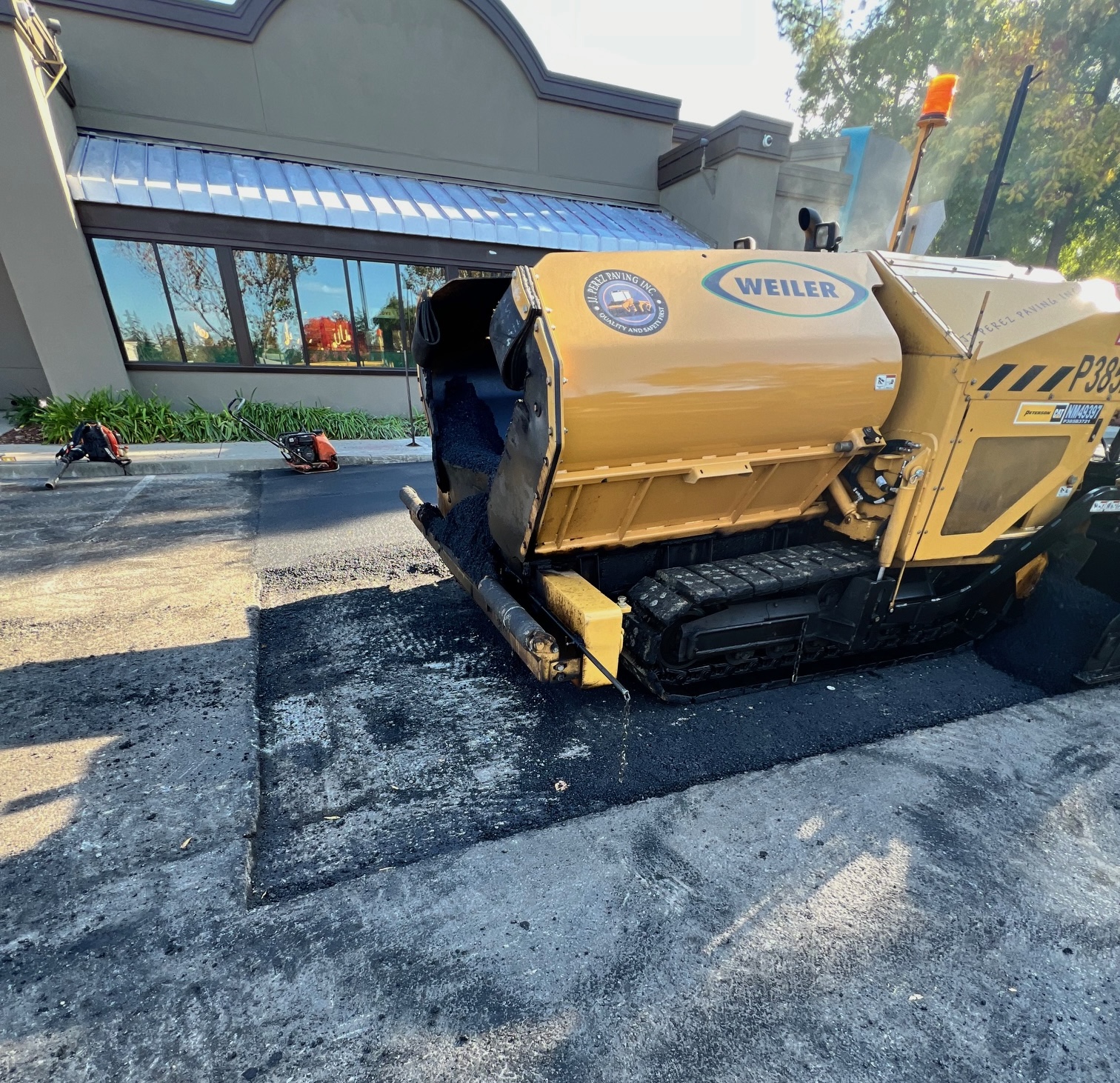
Equipment We Use
Why Businesses Choose EARTHTEK
17+ years of commercial paving excellence across San Jose and the greater Silicon Valley.
Paving & Sealcoating by Industry
View All IndustriesService Areas
EARTHTEK provides commercial paving services throughout San Jose, Silicon Valley, Alameda County, Contra Costa County and the greater Bay Area.
What Our Clients Say
Licensed, insured and recognized
EARTHTEK Grading and Paving, Inc. holds California Contractor's License #995715 (Class A General Engineering and Class C-12 Earthwork and Paving). EARTHTEK is Diamond Certified and received Cal/OSHA Golden Gate recognition in 2026 for its jobsite safety program.
Request a Commercial Paving Estimate
Get a free, no-obligation estimate for your next project.