The crack in your driveway or parking lot looks bad — but does it mean you need a $500 repair or a $15,000 replacement? Most property owners assume the answer is obvious. It isn''t. Two driveways with identical surface damage can have completely different underlying conditions, and the right call depends on what''s happening beneath the asphalt, not on top of it.
In the San Jose area, asphalt takes a specific kind of beating: wet winters that drive moisture into every surface crack, then long dry summers that bake the binders out of the pavement. Still, a Bay Area paving resource, well-maintained asphalt in this region can last 20 to 30 years. But neglected pavement can deteriorate in as little as 10 to 15 years. The gap between those two outcomes usually comes down to catching problems at the right stage.
This post breaks down exactly how to evaluate your asphalt: what surface damage actually tells you, what it doesn''t, and the specific signs that separate a serviceable pavement from one that needs to come out entirely. By the end, you''ll know what questions to ask any contractor who gives you a bid — and how to spot an upsell before it happens.
Surface Damage vs. Structural Failure: The Distinction That Changes Everything
Asphalt damage falls into two fundamentally different categories, and confusing them is what leads to wasted money. Surface damage affects the top layer of pavement — the visible wearing course — while structural failure compromises the base or sub-base layers underneath. The first category is repairable. The second is not.
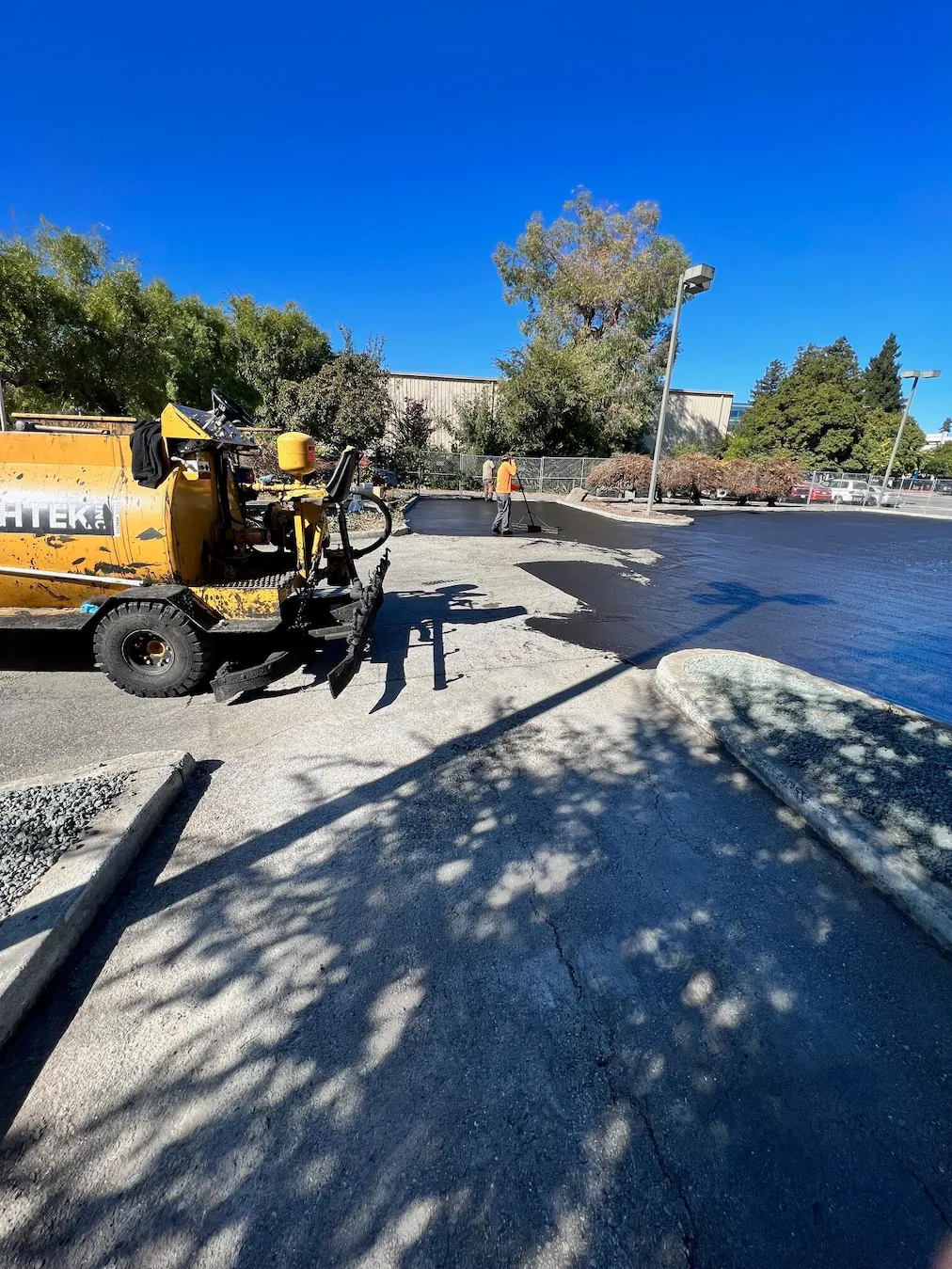
Surface damage includes hairline cracks from oxidation, minor raveling (the loss of small aggregate particles that gives pavement a rough, granular texture), shallow depressions less than half an inch deep, and fading from UV exposure. These are signs of age and weathering, and they respond well to crack sealing, patching, and resurfacing overlays. A properly executed asphalt overlay can add 8 to 15 years of service life over a structurally sound base.
Structural failure looks different. It means the base material beneath the asphalt has lost its load-bearing capacity — usually from water infiltration, inadequate original compaction, or simple age. When the base fails, no surface treatment will hold. Overlaying failed pavement is one of the most common and costly mistakes in paving: within 12 to 24 months, the same cracks re-emerge through the new surface, reflecting the damage below. At that point, you''ve paid twice.
Signs Your Asphalt Needs Repair (Not Replacement)
If the following conditions describe your pavement, asphalt repair in San Jose is the appropriate and cost-effective response:
- Linear or longitudinal cracks less than half an inch wide. These are surface-level stress cracks caused by temperature cycling and oxidation. They need to be sealed before water gets into them — but they don''t indicate base failure.
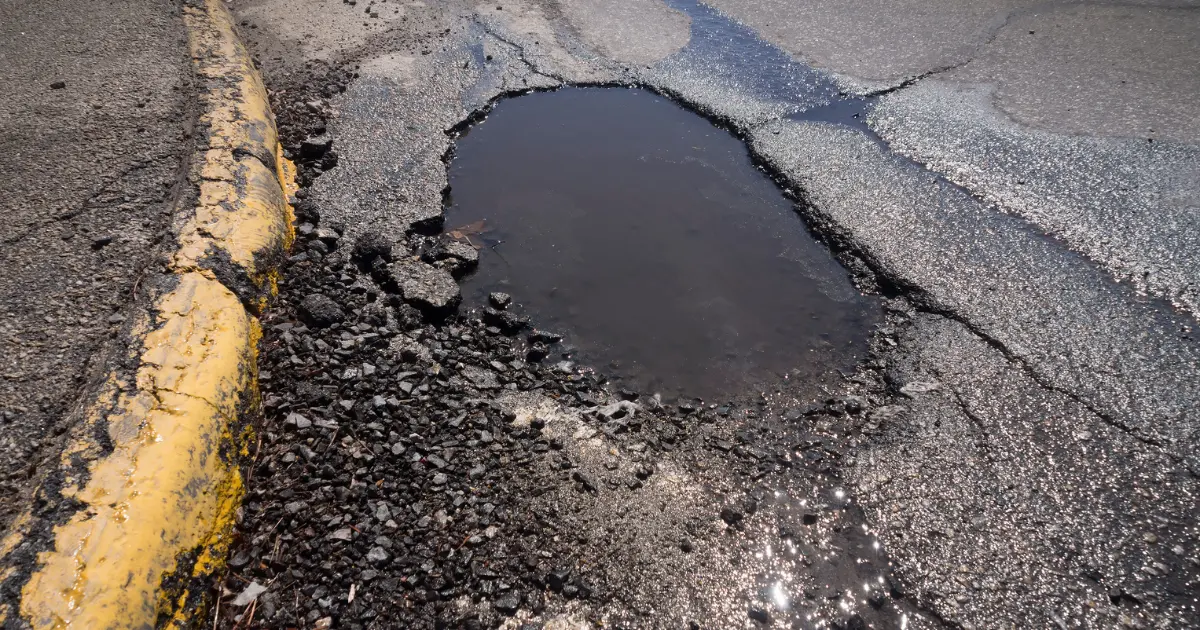
- Isolated potholes in otherwise stable pavement. A single pothole surrounded by intact, firm asphalt is a localized failure, not a systemic one. Proper patching — where the weak material is cut out, the base is checked, and new asphalt is compacted in layers — is a legitimate long-term fix.
- Surface oxidation and fading. Asphalt that has turned gray and brittle from UV exposure is a candidate for resurfacing, provided the base beneath it remains stable. The pavement''s structural integrity isn''t gone — only the binder at the surface layer has degraded.
- Damage covering less than 25% of the total surface area. As a general rule, when less than a quarter of the pavement shows significant wear, selective repair and resurfacing remain viable options.
Signs Your Asphalt Needs Full Replacement
These are the conditions that indicate base failure — and where repair work will not produce lasting results:
- Alligator cracking across large areas. This web-like pattern of interconnected cracks — named for its resemblance to alligator skin — is the most reliable visual indicator of base fatigue. It signals that the foundation beneath the asphalt has lost its ability to distribute load evenly. Patching over alligator cracking is a temporary cosmetic fix, not a structural repair.
- Recurring potholes in the same locations. If the same spots keep failing after repeated patching, the base beneath those areas has deteriorated. You''re not fixing the problem — you''re covering it repeatedly at increasing cost.
- Pavement that flexes or feels soft underfoot. This is a sign that the sub-base has become saturated or compromised. A structurally sound base is rigid. If the surface moves when you walk or drive over it, the material below is no longer doing its job.
- Widespread damage covering more than 25–35% of the surface. When deterioration is this extensive, the cost of comprehensive repair typically approaches or exceeds the cost of full replacement — with a much shorter expected lifespan for the repaired surface.
- Pavement approaching or past 20 years of age with no maintenance history. Age alone doesn''t mandate replacement, but older pavement that hasn''t been maintained is very likely to have base issues even if they aren''t yet visible on the surface.
How Bay Area Weather Accelerates the Decision Timeline
The San Jose climate creates a specific deterioration pattern that property owners should understand. California winters bring concentrated rainfall that exploits every unsealed crack, driving water down into the aggregate base and softening it over the wet season. Then the long dry season arrives, and UV radiation bakes oxidation into the now-weakened surface. Each annual cycle compounds the damage from the last.
This pattern means that the window for intervention is real. Asphalt in the early-to-middle stages of surface deterioration can almost always be repaired or resurfaced effectively. Once the base has been through several wet seasons with unchecked moisture infiltration, the structural damage accelerates quickly. A pavement that was a resurfacing candidate in the fall can be a replacement candidate by spring if the winter rains find their way in.
The practical implication: fall inspections matter. Addressing cracks and applying sealant before the first significant rainfall is the single most impactful maintenance decision a property owner in the Bay Area can make.
What to Ask Any Contractor Before Agreeing to a Scope of Work
A legitimate asphalt contractor should be able to answer these questions directly before recommending repair vs. replacement:
- "Have you assessed the base condition, not just the surface?" Surface appearance can mislead. Any honest contractor will probe or core the pavement at points of concern before recommending full replacement.
- "What percentage of the surface area is compromised?" If the answer is under 25%, a full replacement recommendation deserves scrutiny. If it''s over 35%, that recommendation is likely sound.
- "If we resurface, what''s the realistic lifespan before this conversation happens again?" An honest contractor will give you a range based on base condition, not a sales pitch. If the base is compromised, a resurface may last only a few years. That information should be in your estimate.
- "Is there a drainage issue contributing to this damage?" Water is the root cause of most premature base failure. If drainage isn''t addressed alongside the paving work, the new surface will face the same accelerated deterioration.
The Right Repair Is the One That Actually Fixes the Problem
Most property owners aren''t trying to cut corners — they''re trying to make a smart decision with incomplete information. The goal of any site assessment should be to give you that information clearly: here''s what''s wrong, here''s what''s causing it, and here''s the scope of work that actually solves it. Repair when repair will hold. Replace when the base has run its course. The difference isn''t always visible from the surface.
EarthTek serves property owners across San Jose and the Bay Area with straightforward asphalt assessments and honest recommendations. Whether your pavement needs targeted asphalt repair, a resurfacing overlay, or full replacement, we''ll tell you which — and why — before any work begins. Contact us for a free estimate.
Frequently Asked Questions
How long does asphalt repair last in San Jose?
A properly executed asphalt repair on a structurally sound base can last 5 to 10 years or longer. The key variables are base condition, quality of materials used, and whether any drainage issues contributing to the original damage were addressed. A repair on a failing base will not hold regardless of how well it''s installed on the surface.
What is alligator cracking and does it mean I need full replacement?
Alligator cracking is a pattern of interconnected cracks that resembles reptile skin and indicates base fatigue. It generally means the underlying structure has degraded beyond what patching or resurfacing can fix sustainably. In most cases, areas with significant alligator cracking require full-depth removal and reconstruction, though the extent of that work depends on how widespread the damage is across the total surface.
Is asphalt resurfacing the same as repair?
No. Asphalt repair refers to targeted fixes — crack sealing, patching potholes, or removing and replacing specific damaged sections. Resurfacing (or overlaying) means applying a new layer of asphalt over the entire existing surface. Resurfacing is appropriate when the base is sound but the top layer has worn out; repair is appropriate for isolated or localized damage on an otherwise serviceable surface.
How do I know if my parking lot needs repair or replacement?
The most reliable indicator is base condition, not surface appearance. Signs that point toward replacement include alligator cracking, recurring potholes in the same spots, pavement that feels soft or flexible underfoot, and damage covering more than 25–35% of the total area. A professional inspection that evaluates the base — not just the surface — is the most reliable way to get an accurate answer.
How much does asphalt repair cost in San Jose compared to replacement?
Targeted asphalt repair and crack sealing is typically the most affordable option. Resurfacing with an asphalt overlay costs more but is still significantly less than full replacement. Full replacement, which involves removing the existing pavement, rebuilding the base, and installing new asphalt, is the highest upfront cost but delivers the longest service life. The right choice depends on base condition, not just upfront price.