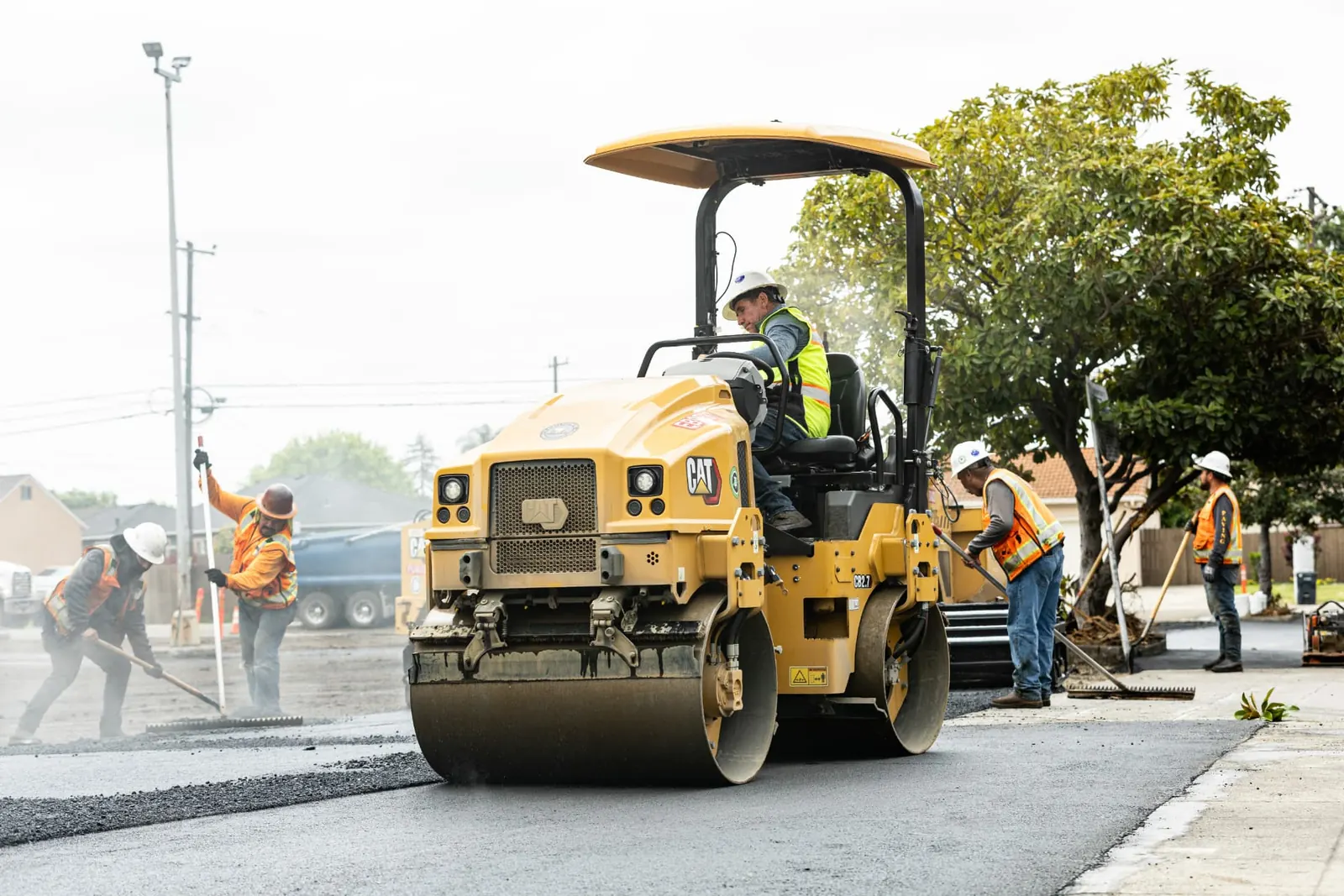
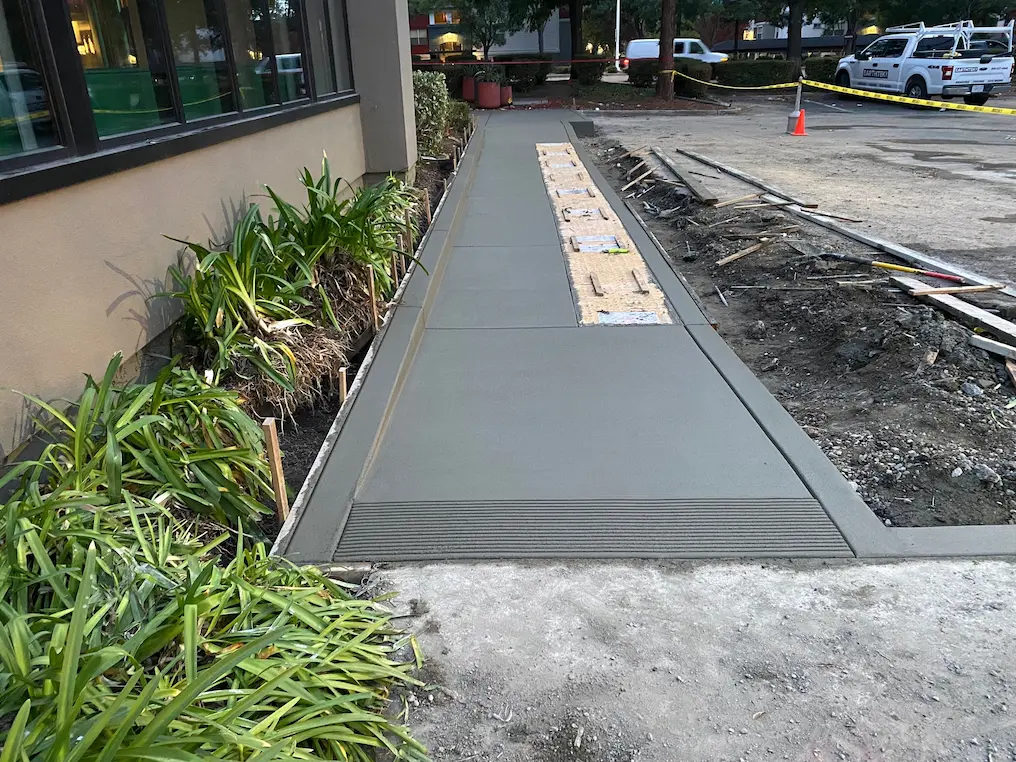
A rainy day often reveals the places a parking lot needs attention: water gathers near an entrance, a drain collects debris, or a patch that looked sound begins to loosen. A little preparation gives your property team a clearer starting point before those issues interfere with access.
Use this parking lot maintenance checklist to organize what to look for before rain, what to record afterward, and what to include when you request a professional assessment.
Before the rain: make a short property checklist
Start with the routes people use most. Walk the lot in daylight, if conditions are safe, and note changes near entrances, accessible parking spaces and access aisles, delivery areas, drive lanes and walkways. Photograph an issue from the same position each time so your team can compare it later.
Look for open cracks, loose aggregate, potholes, uneven transitions and worn markings. A crack alone does not tell you which repair is appropriate. Record the location and approximate extent, then ask a pavement contractor to assess the cause and scope.
For a more detailed inspection log, see our guide to common asphalt parking lot problems.
Check where water can go
Find catch basins, drainage channels, low spots and downspouts on your site plan. Remove surface debris only where your staff can do so safely and within its responsibilities. A drainage professional should handle blocked or damaged components that need specialist access.
Watch for water moving toward a building, collecting at a curb or sitting across a pedestrian route. Ponding can have more than one cause, including blocked inlets, surface settlement or grading. A contractor can inspect the area before recommending drainage work or pavement repairs.
Explore EARTHTEK drainage services.
Plan pavement work around the forecast
Crack treatment, patching and sealcoating serve different purposes. The right choice depends on pavement condition, the source of the damage, traffic and the materials proposed. Ask your contractor to explain what the work addresses and whether deeper repairs or drainage changes should come first.
Weather matters too. Rain, surface moisture and temperature can affect when materials can be installed and when an area can reopen. Ask for a project-specific schedule, including the work window, protection of the area and reopening conditions. Do not rely on one standard drying or curing time for every product.
After a storm: follow up safely
Once conditions allow, revisit the locations you recorded. Note the date of the rain, where water remains, whether a drain appears obstructed and whether the issue affects an entrance or accessible route. Keep staff and visitors away from a damaged area when appropriate and follow your property’s safety procedures.
Do not enter standing water to inspect a drain or make assumptions about what lies beneath it. If flooding, a damaged utility or another immediate hazard is present, use your site’s emergency procedures and contact the appropriate professionals.
Turn observations into a useful work order
A clear request saves time during the first conversation. Give your contractor the property address, a site contact, photos, the affected locations and any access restrictions. Explain when the problem appears, whether it has returned after prior work and which entrances or business operations must stay open.
Ask for a written scope that identifies the proposed repair, areas covered, traffic control, drainage responsibilities, exclusions and the conditions needed for reopening. For accessible routes, the property owner and qualified project team should review applicable requirements for the specific work and location.
Frequently asked questions
Can a parking lot be repaired during the rainy season?
Some work may be possible between storms, but the repair method and timing depend on site conditions and material requirements. A contractor can explain suitable options after inspecting the area.
Does standing water always mean the drain is blocked?
No. A blocked inlet is one possibility, but settlement, grading or other drainage problems can also contribute. Record where and when the water appears and have the area assessed.
Should accessible parking areas be included in the inspection?
Yes. Include accessible spaces, access aisles and the route to the entrance in your property review. Have a qualified professional assess any suspected accessibility issue against the requirements that apply to the site.