| Factor | Asphalt | Concrete | Pavers |
|---|---|---|---|
| Cost/sq ft installed | $4–$7 | $7–$12 | $10–$30 |
| Lifespan | 20–25 yrs | 30–40 yrs | 50+ yrs |
| Install Time | 1–3 days | 5–7 days | 1–4 days |
| Maintenance | Sealcoat every 2–3 yrs | Minimal | Replace damaged units |
| Repair Cost | Low | High | Per-unit |
| Climate Best Suited | Cold + freeze/thaw friendly | Hot & dry | All climates |
| Aesthetic | Utilitarian | Classic, modern | Premium, customizable |
Quick links: asphalt paving · concrete driveways · permeable paving.
You're ready for a new driveway or patio, and you've narrowed it down to the three most popular options: asphalt, concrete, or pavers. Each has loyal advocates online, and each has real tradeoffs that those advocates sometimes downplay.
The challenge is finding unbiased information. Many comparison articles come from companies that only install one material, so they naturally favor their specialty. What you need is an honest side-by-side look at cost, durability, maintenance, and appearance to make the right choice for your property and budget.
Which Driveway or Patio Surface Is Best?
- Asphalt is the most affordable driveway option upfront and works best for long driveways where budget matters most.
- Concrete offers the best balance of cost, durability, and design flexibility for both driveways and patios.
- Pavers provide the highest long-term value, curb appeal, and easiest repairs, making them ideal for high-end driveways and patios.
What Is the Most Affordable Driveway Option?
Asphalt is the most affordable driveway option upfront. It typically costs $7–$13 per square foot installed, making it significantly cheaper than concrete or pavers for the same size driveway. However, asphalt has a shorter lifespan and requires more frequent maintenance, which can increase long-term costs compared to concrete or pavers.
The Quick Comparison: Asphalt vs Concrete vs Pavers
Before diving into details, here's how the three materials stack up across the factors that matter most:
Cost (installed per square foot):
- Asphalt: $7–$13
- Concrete: $10–$18
- Pavers: $15–$30
Lifespan:
- Asphalt: 15–20 years
- Concrete: 25–30 years
- Pavers: 25–50 years
Maintenance:
- Asphalt: Seal every 2–3 years
- Concrete: Seal every 3–5 years (decorative finishes)
- Pavers: Low; replace individual units as needed
Repair ease:
- Asphalt: Patch and resurface (visible repairs)
- Concrete: Difficult to match existing surface
- Pavers: Replace individual pavers seamlessly
Appearance options:
- Asphalt: Basic black only
- Concrete: Versatile (stamped, stained, exposed aggregate)
- Pavers: Highest variety of colors, patterns, materials
Best for:
- Asphalt: Budget driveways, long spans
- Concrete: Patios, decorative driveways
- Pavers: High-end driveways, patios, maximum curb appeal
Quick verdict by priority: If the lowest upfront cost matters most, asphalt wins. For the best balance of cost and longevity, concrete delivers. For maximum durability, easiest repairs, and highest curb appeal, pavers are the premium choice.
One important note: Bay Area costs typically run 15-25% above national averages due to local labor rates and material costs. The ranges above reflect what you'll actually encounter here.
Why the Right Material Choice Matters
A driveway or patio represents a 20-30+ year commitment and a significant investment, typically $5,000 to $20,000 or more depending on size and material. Choosing based on upfront cost alone often leads to higher lifetime costs when you factor in maintenance, repairs, and earlier replacement. Choosing based on appearance alone can mean maintenance headaches you didn't anticipate.
The right material balances your budget, aesthetic preferences, maintenance tolerance, and how you'll actually use the space. Understanding the real differences between asphalt, concrete, and pavers helps you invest wisely rather than regretting your choice five years down the road.
Asphalt, Concrete, and Pavers: A Closer Look
Asphalt: The Budget-Friendly Workhorse
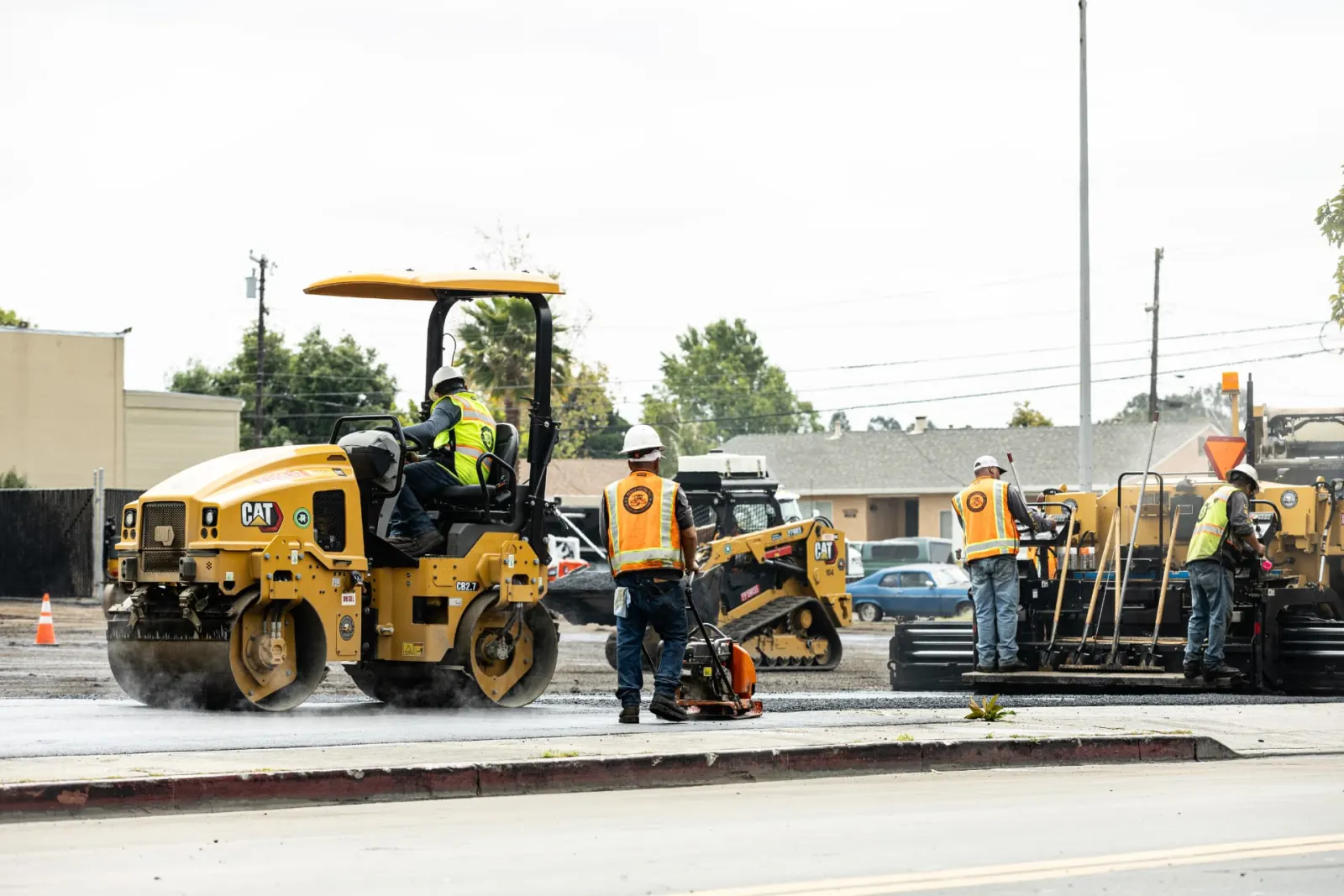
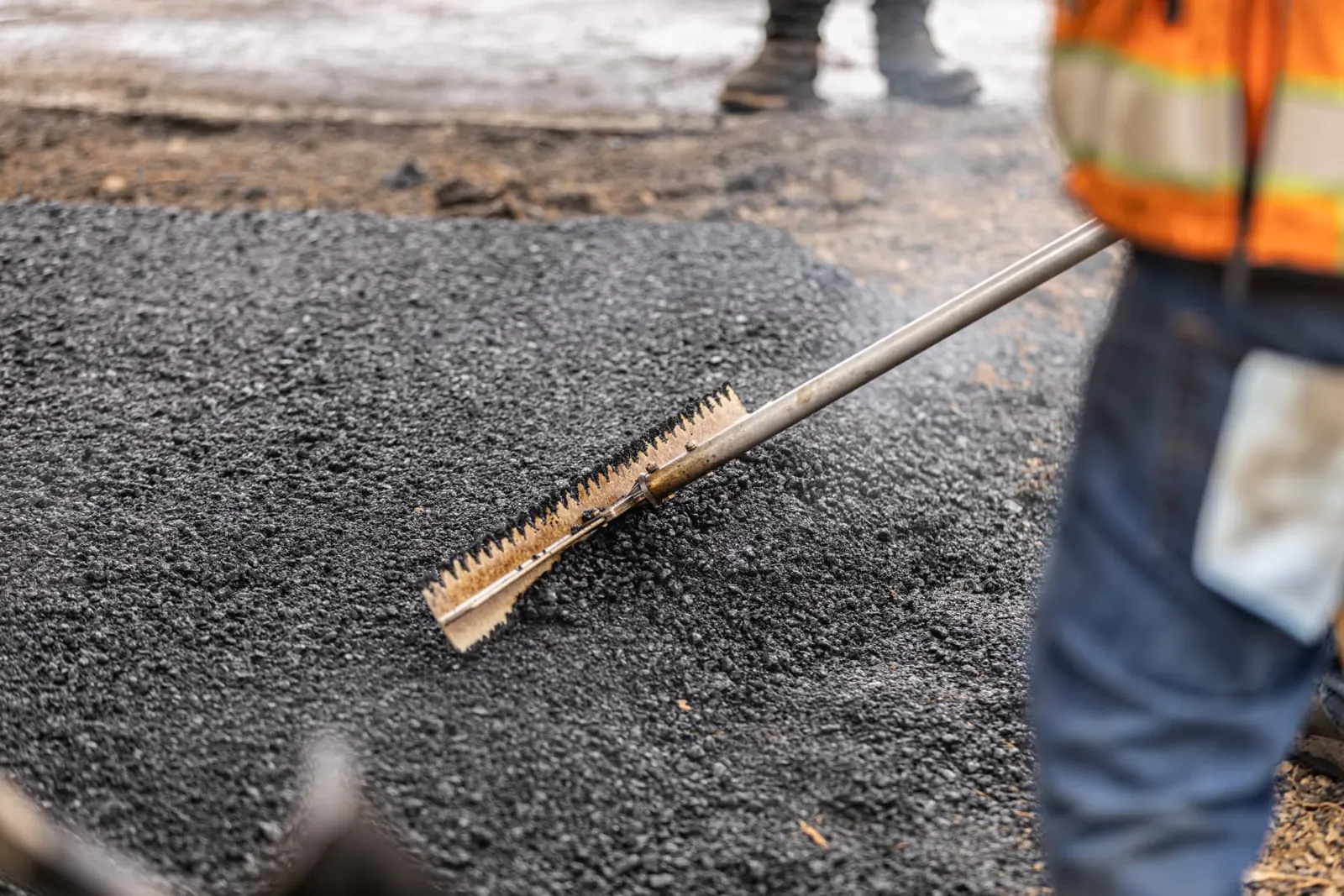
Asphalt has been a driveway staple for decades, and for good reason: it's affordable and functional.
Cost: At $7–$13 per square foot installed, asphalt offers the lowest upfront investment. A typical 20x20 driveway (400 square feet) runs roughly $2,800–$5,200. A larger 1,500-square-foot driveway costs approximately $10,500–$19,500.
What asphalt does well: Installation is quick, often completed in one to two days. The flexible surface handles minor ground movement and settling without cracking the way rigid materials do. Repairs are straightforward patching, and resurfacing can extend the life of an asphalt driveway significantly. The dark color also hides oil stains better than lighter surfaces.
Where asphalt falls short: Lifespan is the shortest of the three options at 15-20 years. You'll need to seal the surface every two to three years to prevent water infiltration and UV damage. Aesthetic options are limited to basic black no colors, patterns, or decorative finishes. Edges can crumble over time without proper support, and the surface softens in extreme heat (though this is less of a concern in the Bay Area's mild climate).
Best for: Budget-conscious homeowners, long driveways where cost per square foot adds up quickly, and situations where function matters more than appearance.Concrete: The Versatile Middle Ground
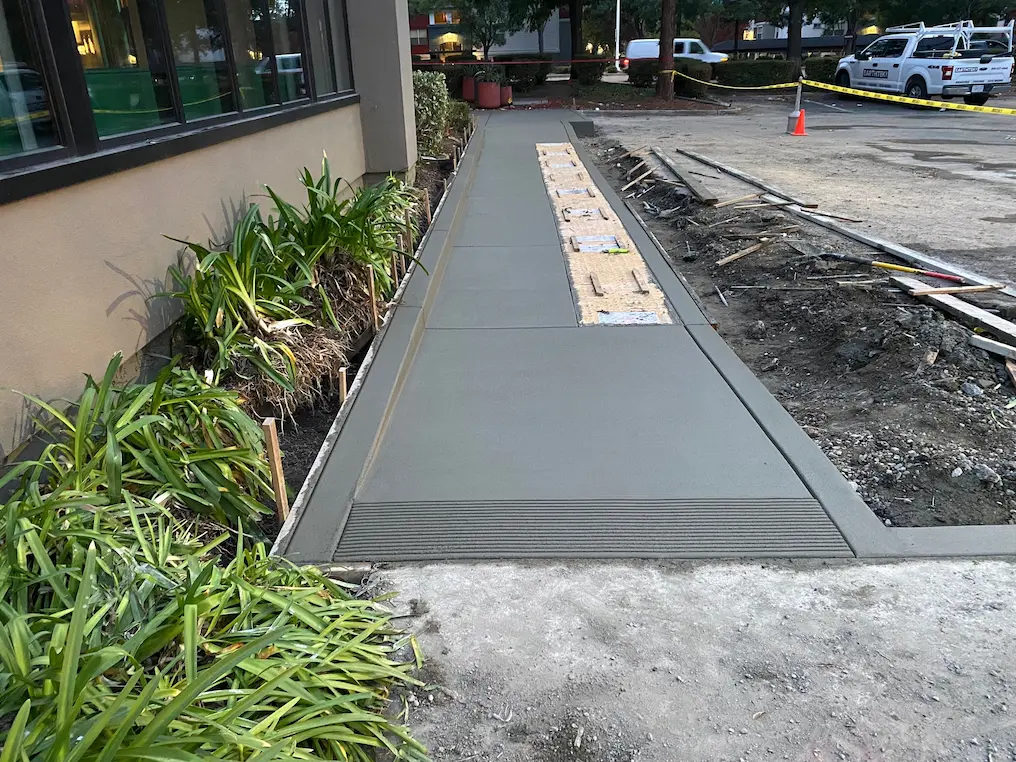
Concrete offers significantly more durability than asphalt and far more design flexibility, making it the most popular choice for patios and a strong contender for driveways.
Cost: Concrete runs $10–$18 per square foot installed, with basic gray finishes on the lower end and stamped or stained options on the higher end. A 20x20 patio costs roughly $4,000–$7,200 for basic concrete or $5,600–$9,200 for decorative finishes.
What concrete does well: Durability is excellent; a properly installed concrete surface lasts 25-30 years. Design options are extensive: stamped patterns that mimic stone or brick, integral color, acid staining, and exposed aggregate finishes. Concrete requires less frequent sealing than asphalt and reflects heat better, staying cooler underfoot. A well-done concrete driveway or patio adds measurable value to your property.
Where concrete falls short: Cracks are inevitable over time, and repairing them invisibly is nearly impossible; patches and fills are always visible to some degree. Stains from oil, rust, and leaves can become permanent if not addressed quickly. The rigid nature of concrete means ground movement can cause cracking that a flexible material like asphalt would absorb. Decorative finishes like stamping require resealing every two to three years to maintain appearance.
Best for: Patios, pool decks, and driveways where appearance matters. Homeowners who want solid durability without the premium cost of pavers. Those who prefer a relatively low-maintenance surface with design flexibility.
Pavers: The Premium Long-Term Investment
Pavers, whether concrete, brick, or natural stone, represent the highest-end option for driveways and patios, with pricing and performance to match.
Cost: Pavers run $15–$30 per square foot installed, with concrete pavers on the lower end and natural stone (bluestone, granite, travertine) on the higher end. A 20x20 patio costs roughly $6,000–$10,000 for concrete pavers or $8,000–$12,000+ for natural stone.
What pavers do well: Lifespan is the longest of any option, 25 to 50+ years depending on material quality and installation. The interlocking design handles ground movement without cracking, flexing with the substrate rather than fighting it. When damage does occur, you replace individual pavers rather than patching; repairs are virtually invisible. Design options are unmatched: dozens of colors, patterns, shapes, and materials. Permeable paver options are available for improved drainage. Pavers also deliver the highest curb appeal and property value boost of the three materials.
Where pavers fall short: Upfront cost is the highest by a significant margin. Installation takes longer because proper base preparation is critical to long-term performance; cutting corners here leads to settling and shifting. Weeds can grow in the joints if polymeric sand isn't used or maintained. Some styles require periodic sand replenishment in the joints.
Best for: High-visibility driveways and patios, homeowners who prioritize aesthetics and long-term value, properties where curb appeal directly affects resale value, and anyone who wants the easiest and least visible repair path.
What You'll Actually Pay: Cost Comparison
Since cost is often the deciding factor, here are specific numbers for common project sizes:
For a 20x20 driveway or patio (400 square feet):
- Asphalt: $2,800–$5,200
- Concrete (basic): $4,000–$7,200
- Concrete (stamped/decorative): $5,600–$9,200
- Pavers (concrete): $6,000–$10,000
- Pavers (natural stone): $8,000–$12,000+
For a larger 1,500-square-foot driveway:
- Asphalt: $10,500–$19,500
- Concrete: $15,000–$27,000
- Pavers: $22,500–$45,000
What's the most affordable driveway option? Asphalt wins clearly on upfront cost. However, factor in asphalt's 15-20 year lifespan versus concrete's 25-30 years or pavers' 25-50 years, and the cost-per-year comparison shifts considerably. Pavers often deliver the lowest lifetime cost despite the highest initial investment.
Is it cheaper to do pavers or concrete? Concrete costs less upfront, often 30-50% less depending on the specific materials compared. But pavers last longer, handle movement better, and offer invisible repairs. Over a 30+ year horizon, pavers can be more economical despite higher initial pricing.
Maintenance: What Each Surface Really Requires
Asphalt needs the most ongoing attention. Plan on sealing every two to three years at roughly $0.15–$0.25 per square foot. Fill cracks promptly to prevent water infiltration that accelerates deterioration. Expect to resurface every 10-15 years to address accumulated wear. Concrete requires less frequent maintenance. Sealing every three to five years protects the surface; this is especially important for stamped or stained finishes that can fade without protection. Address stains quickly before they set permanently. Crack repairs are manageable but always somewhat visible.Pavers
require the least professional maintenance over time. Sweep periodically to prevent debris buildup. Replenish polymeric sand in the joints every few years to prevent weed growth and maintain stability. Pull occasional weeds if they appear. If a paver cracks or stains badly, simply pop it out and replace it; no contractor visit is required for minor fixes.
The maintenance winner: Pavers edge out concrete for the lowest long-term maintenance burden. Asphalt requires the most consistent, frequent attention.
Making the Right Choice for Your Property
Choose asphalt if:
- Budget is your primary concern and you need to minimize upfront costs
- You have a long driveway where material costs add up quickly
- Appearance is secondary to basic function
- You're comfortable with regular sealing every few years
Choose concrete if:
- You want a solid balance of durability and reasonable cost
- Decorative options like stamping or staining appeal to you
- You're paving a patio, pool deck, or other high-visibility area
- You prefer lower maintenance than asphalt without the premium price of pavers
Choose pavers if:
- Long-term value matters more than minimizing upfront cost
- Curb appeal and aesthetics are priorities for your property
- You want the easiest, most invisible repair path for future damage
- You're willing to invest more initially for decades of superior performance
For many Bay Area homeowners, the decision ultimately balances upfront budget against long-term value. All three materials can serve you well for years when installed correctly on a properly prepared base; the key is matching the material to your priorities.
Asphalt vs concrete for a commercial parking lot
Asphalt usually costs less upfront and can be patched or resurfaced in place. Concrete can justify a higher upfront cost where heavy trucks turn, stop, or stand, such as dock aprons and dumpster pads. Neither wins everywhere. The right surface depends on your traffic, soils, drainage, and how much downtime your tenants can accept.
How long does each surface last?
Neither material has one reliable number, and a figure that ignores traffic, base, and upkeep is a guess. Caltrans sets design life by facility type and traffic, and allows a 20-year design life for roadside parking lots on state highways, without assigning a different life to asphalt or concrete. Design life is what a pavement is engineered to perform, not a warranty. Upkeep changes the outcome for both: FHWA notes that pavements left without timely preservation are likely to need major rehabilitation much sooner. For all five lot materials side by side, see our commercial parking lot materials guide.
Which handles heavy trucks and delivery routes better?
Concrete is rigid. A stiff slab spreads loads over a relatively wide area of subgrade, while asphalt gets its capacity from layers working together. At the surface, Caltrans notes that hot asphalt softens and is more prone to rutting under wheel loads, and that braking and accelerating vehicles can shove an unstable mix. That is why dock aprons, dumpster pads, truck turns, and fire lanes deserve a closer look. Concrete is not immune: FHWA ties pumping and loss of support under slabs to an erodible base, excess moisture, and slab deflection. Confirm fire-lane loading with your local fire authority.
Repair and downtime
Hot asphalt patches must cool before traffic crosses them, per the Caltrans maintenance guide. Concrete repairs are scheduled around curing: FHWA says how quickly a repair must reopen is often the main factor in choosing the repair material, and faster-opening mixes exist. With either surface, ask each bidder for reopening times in writing and for phasing that keeps entrances and loading areas open. To decide between patching and an overlay on an asphalt lot, read parking lot repair or resurface.
Heat and drainage
The EPA reports that conventional asphalt and concrete reflect roughly 5 to 40 percent of sunlight, and that this changes with age: asphalt lightens as its binder oxidizes, and concrete darkens as dirt builds up. New concrete starts lighter, but the difference can shrink. Drainage is a base problem for both. Caltrans notes that moisture weakens base and subgrade and calls for significant attention to drainage in design. A new surface does not fix a lot that holds water.
Maintenance
Sealcoating and similar surface treatments on asphalt are preventive, not repairs. FHWA says preservation work generally adds no capacity or structural value, which is why a failed base needs more than a seal. Sealcoating vs. mill-and-overlay explains how to tell the difference. Concrete needs its own upkeep: FHWA warns that unsealed joints and cracks fill with debris and water, which can cause corner breaks, spalling, and faulting.
How to decide for your lot
Caltrans’ pavement-type checklist is a useful template: design life, traffic, soils, climate, existing pavement, maintainability, constructability, and life-cycle cost, with the final choice based on the most economical life-cycle design. List your truck routes, stopping areas, and drainage trouble spots, then ask bidders to price the same scope in both materials with their life-cycle assumptions. EARTHTEK’s asphalt paving team can walk that comparison with you.
| Factor | Asphalt | Concrete |
|---|---|---|
| Upfront cost (relative) | Usually lower | Usually higher |
| Load behavior | Flexible, layered; softens in heat | Rigid slab; relies on support below |
| Stopping and turning areas | Watch for rutting and shoving | Often considered for dock aprons and dumpster pads |
| Repairs | Patch or resurface in place; cool before traffic | Slab repairs; timed around curing |
| Preventive upkeep | Surface treatments, crack sealing | Joint and crack sealing |
| Surface heat | Lightens with age | Darkens with age |
Cost is shown in relative terms only. Final pricing depends on site conditions, thickness, base preparation, and scope.
Get a quote for your commercial lot
Planning a repave, an overlay, or a new lot? Tell us your truck routes, your tenant schedule, and any drainage trouble spots. Request a quote from our commercial asphalt paving team, or contact EARTHTEK directly.
Get Expert Guidance on Your Driveway or Patio Project
There's no universally "best" material, only the best material for your specific situation, budget, and goals. A quality contractor helps you weigh these factors honestly, explains what makes sense for your property, and delivers professional installation regardless of which surface you choose.
Ready to compare options for your property? Contact EARTHTEK for a free estimate. We'll walk you through the pros and cons for your specific project and provide clear, honest pricing with no pressure.
Frequently Asked Questions
How much would a 20x20 asphalt driveway cost?
A 20×20 asphalt driveway (400 square feet) typically costs $2,800–$5,200 installed, based on an average price of $7–$13 per square foot. Final pricing depends on site preparation, base condition, and local labor rates.
What is the most affordable driveway option?
Asphalt is the most affordable driveway option upfront. It has the lowest installation cost compared to concrete or pavers, making it a popular choice for long driveways or budget-conscious homeowners. However, its shorter lifespan and regular sealing requirements can increase long-term costs.
What is the cost of a 1,500 square foot asphalt driveway?
A 1,500-square-foot asphalt driveway generally costs $10,500–$19,500 installed. Variations in price depend on excavation needs, base thickness, drainage requirements, and regional labor costs.
Is it cheaper to do pavers or concrete?
Concrete is cheaper than pavers upfront, often costing 30–50% less depending on the finish. However, pavers typically last longer, handle ground movement better, and allow for seamless repairs. Over a 30+ year lifespan, pavers can be more cost-effective despite higher initial pricing.
Which driveway material lasts the longest?
Pavers last the longest, with a lifespan of 25–50+ years when properly installed and maintained. Concrete typically lasts 25–30 years, while asphalt averages 15–20 years.
Is asphalt or concrete better for a driveway?
Asphalt is better if upfront cost is the priority and you’re comfortable with routine maintenance. Concrete is better for homeowners who want greater durability, design flexibility, and lower long-term maintenance.
Are pavers worth the cost for a driveway or patio?
Yes, pavers are often worth the cost for high-visibility driveways and patios. They offer superior curb appeal, excellent durability, easy repairs, and strong long-term value—especially for homeowners planning to stay long-term or maximize resale value.
Asphalt or concrete: pros, cons and lifespan for a parking lot?
Asphalt typically costs less upfront and is repaired by patching or resurfacing, but it softens in heat and needs preventive surface treatments. Concrete spreads loads over a wider area and suits heavy turning and standing areas, but costs more upfront and needs joint sealing. Lifespan depends on design, base, traffic, and upkeep, not the material alone.
Is asphalt or concrete better for heavy truck traffic?
Concrete is a rigid slab that spreads loads over a wider area of subgrade, so it is often considered for dock aprons, dumpster pads, and tight truck turns. Asphalt can also carry trucks when the mix, thickness, and base are engineered for the loads. Have an engineer size either surface for your actual truck traffic.
Which surface causes less downtime for tenants?
It depends on the repair, not only the material. Hot asphalt patches must cool before traffic crosses them, and concrete repairs are timed around curing, with faster-opening mixes available. Ask each bidder for reopening times in writing and for a phased plan that keeps entrances and loading areas open.
Does an asphalt or concrete parking lot run hotter?
Both can run hot. The EPA reports that conventional asphalt and concrete reflect roughly 5 to 40 percent of sunlight, and that changes with age. New concrete starts lighter but darkens as dirt builds up, while asphalt lightens as its binder oxidizes. EPA also notes there is no official standard or labeling program for cool paving materials.
A 20x20 asphalt driveway (400 square feet) typically costs $2,800–$5,200 installed, based on an average price of $7–$13 per square foot. Final pricing depends on site preparation, base condition, and local labor rates.
Asphalt is the most affordable driveway option upfront. It has the lowest installation cost compared to concrete or pavers, making it a popular choice for long driveways or budget-conscious homeowners. However, its shorter lifespan and regular sealing requirements can increase long-term costs.
A 1,500-square-foot asphalt driveway generally costs $10,500–$19,500 installed. Variations in price depend on excavation needs, base thickness, drainage requirements, and regional labor costs.
Concrete is cheaper than pavers upfront, often costing 30–50% less depending on the finish. However, pavers typically last longer, handle ground movement better, and allow for seamless repairs. Over a 30+ year lifespan, pavers can be more cost-effective despite higher initial pricing.
Pavers last the longest, with a lifespan of 25–50+ years when properly installed and maintained. Concrete typically lasts 25–30 years, while asphalt averages 15–20 years.
Asphalt is better if upfront cost is the priority and you’re comfortable with routine maintenance. Concrete is better for homeowners who want greater durability, design flexibility, and lower long-term maintenance.
Yes, pavers are often worth the cost for high-visibility driveways and patios. They offer superior curb appeal, excellent durability, easy repairs, and strong long-term value—especially for homeowners planning to stay long-term or maximize resale value.
Related Resources
- Asphalt paving services
- Concrete driveway installation
- Permeable / sustainable paving
- Sealcoating to extend asphalt life