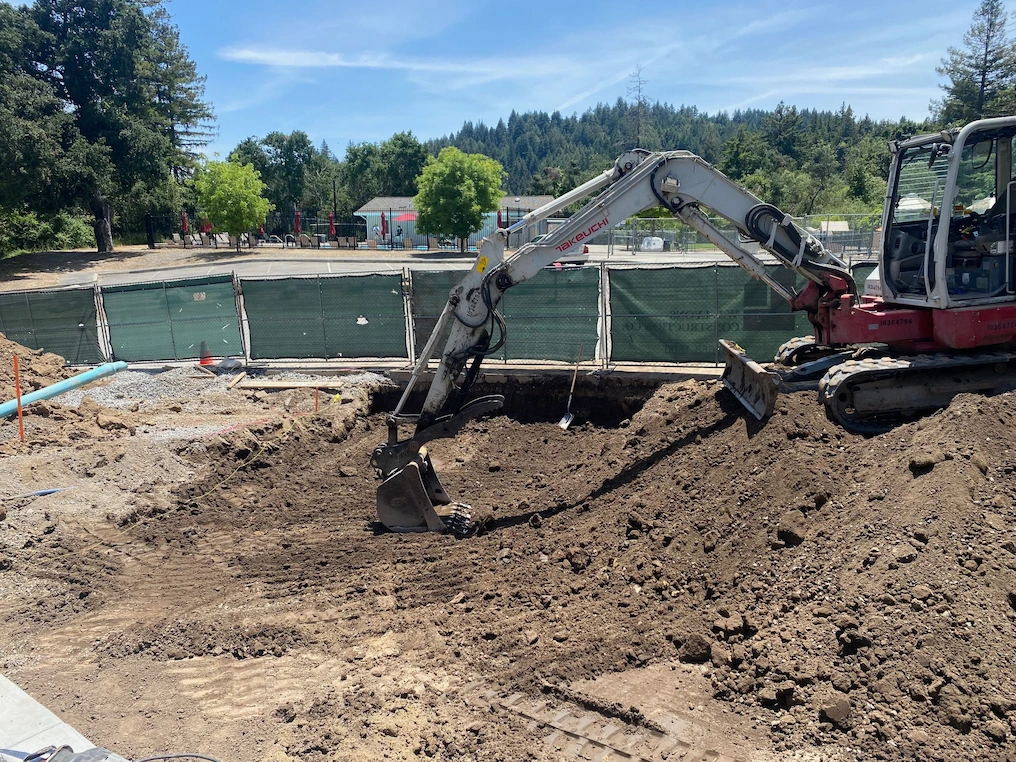
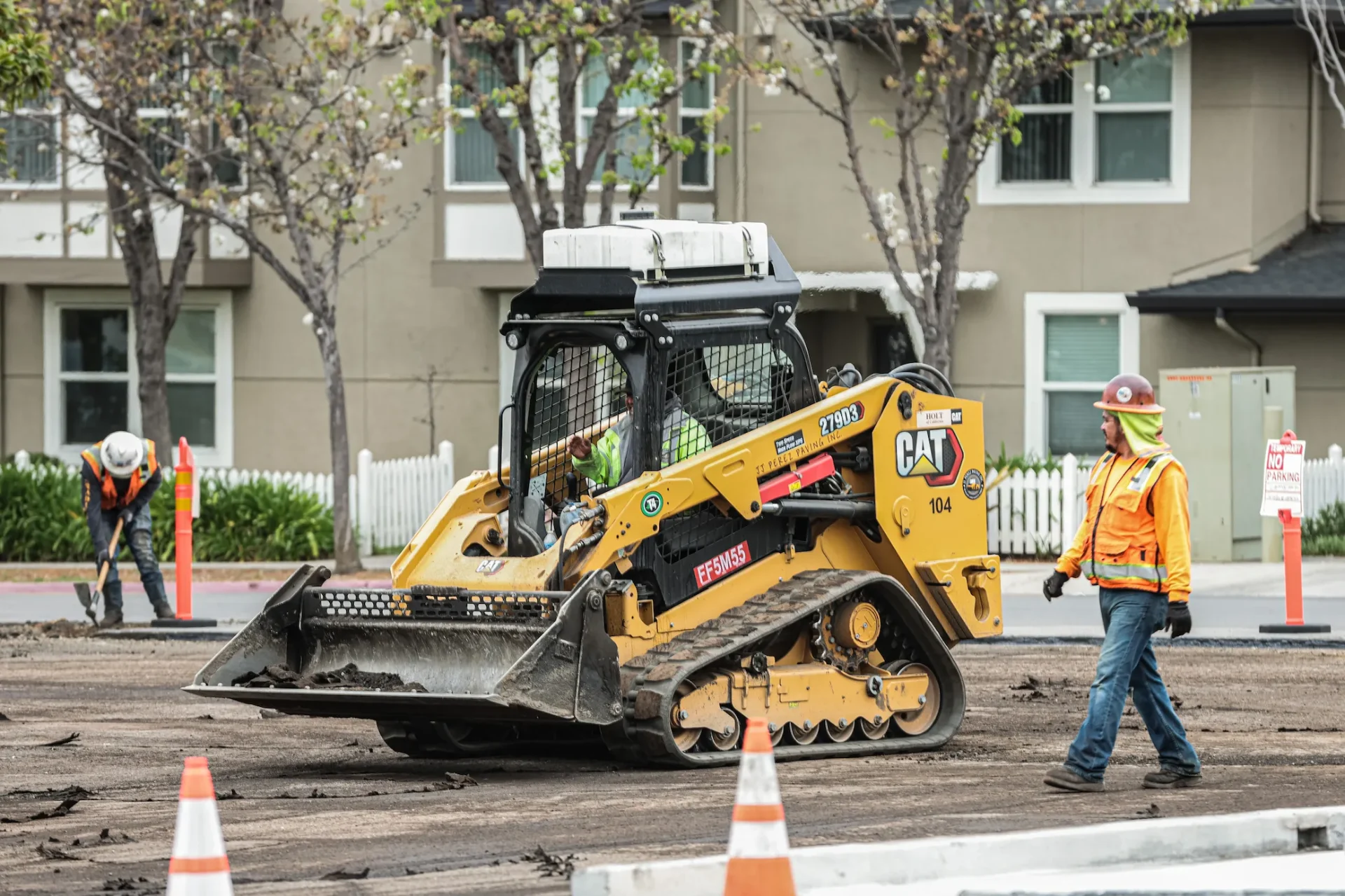
Building a home on a site that has not been professionally prepared is like building a skyscraper on a foundation of sand. Many homeowners assume that a plot of land is ready for a concrete pour the moment the weeds are cleared, but the reality is much more complex.
In the Bay Area, where soil composition varies from expansive clay to rocky terrain, the initial phase of earthwork determines if your investment stands the test of time or succumbs to structural failure within a few years. Proper site preparation for residential construction serves as the literal and figurative bedrock of your project.
How Does Professional Site Preparation Prevent Future Foundation Failure?
Skipping or rushing the digging phase is the fastest way to invite disaster. When you hire residential excavation contractors, they do more than just move dirt. They ensure the ground can actually support the weight of a heavy structure. If the soil is not properly compacted or if organic debris remains trapped under the slab, the ground will eventually shift. This movement leads to cracked walls, windows that won't shut, and compromised structural integrity.
Foundation excavation services involve removing unstable topsoil and replacing it with engineered fill that provides a level, stationary surface. By focusing on why excavation is important before construction, you protect yourself from the astronomical costs of foundation underpinning or structural leveling down the road.
What Happens To Your Home If You Ignore Land Clearing And Excavation?
Unprepared land hides a variety of threats that can derail a build. Without thorough land clearing and excavation, residential, hidden stumps, large boulders, or old utility lines stay buried. As organic material like tree roots rots over time, it creates underground voids. These pockets cause the earth to sink, leading to "settlement" issues.
Furthermore, raw land rarely has the correct elevation. Residential site excavation fixes these inconsistencies before the first brick is laid. If you bypass this step, you risk building on a site that is prone to sinkholes or one that sits too low, making the entire property vulnerable to regional groundwater issues.
Why Is Strategic Grading The Secret To A Dry Basement?
Water is the primary enemy of any residential structure. Residential grading services are designed to direct rainwater away from your home rather than allowing it to pool at the base of your walls.
When a team performs excavation for home foundations, they also calculate the necessary "fall" or slope of the land. Poor site preparation often results in hydrostatic pressure, where water builds up in the soil and pushes against your basement or crawlspace walls. This pressure causes leaks, mold growth, and eventually, wall collapse.
By prioritizing the importance of grading before construction, you ensure that your backyard excavation services and driveway excavation services work together to create a cohesive drainage ecosystem.
What Are The Three Types Of Excavation Used In Home Building?
- Earth Excavation: This involves removing the layer of soil immediately below the topsoil to reach the "subgrade." It is the most common type of house excavation contractor projects and provides the footprint for the home.
- Trench Excavation: Used specifically for narrow digs, this is the standard for utility trenching, residential ,and foundation footings. The depth usually exceeds the width, allowing for secure placement of pipes and supports.
- Rock Excavation: When a site sits on bedrock or large deposits that heavy machinery cannot move, specialized equipment is used to clear the path. This is frequent in hillside residential construction where stable mounting is required.
Can Proper Utility Trenching Save You From Costly Repairs?
Modern homes require a complex web of underground infrastructure. From sewer lines and water pipes to electrical conduits and fiber-optic cables, everything must be installed at a specific depth to avoid freezing or accidental damage. Utility trenching for residential ensures these lines are buried safely in accordance with local Bay Area building codes.
When you invest in professional residential trenching services, you prevent the nightmare of a severed water main or a gas leak during later phases of construction. This organized approach to soil excavation services allows for a clean site where tradespeople can work without tripping over haphazardly placed lines.
How Does Earthtek Deliver A Stable Foundation For Your Family?
At Earthtek, we treat every residential project with the same technical rigor as a massive commercial development. We know that residential excavation services are about engineering a safe environment for your family.
Our team specializes in everything from home foundation excavation to residential pool excavation, ensuring every inch of your property is level and secure. We use advanced GPS and laser-leveling technology to deliver precision that manual digging cannot match.
When you choose us, you are choosing a partner who understands the specific soil challenges of the Silicon Valley landscape.
Why Should You Prioritize Professional Excavation Over DIY Methods?
Attempting to clear or grade a lot with a rented backhoe often leads to more harm than good. Professional residential excavation services offer several benefits that go beyond just moving earth:
- Environmental Compliance: We manage erosion control and runoff to keep your project in line with local environmental regulations.
- Equipment Precision: Using the right size of machinery prevents unnecessary soil disturbance and protects neighboring structures.
- Safety Standards: Deep digs carry the risk of cave-ins; our contractors use shoring and safety protocols to keep the site secure for everyone.
- Liability Protection: Licensed contractors carry the insurance necessary to protect you from on-site accidents or utility damage.
Choosing Long-Term Stability For Your Build
Investment in high-quality excavation is the most effective insurance policy you can buy for your new home. By addressing drainage, soil stability, and utility placement at the very beginning, you eliminate the variables that cause most home repairs. Our team at EARTHTEK takes pride in setting the stage for a flawless construction process. Our goal is to make sure that once the heavy equipment leaves, your builder has a perfect canvas to work on.
Ready to start your project on solid ground? Contact us today to request a quote and see how we can secure your home's future.
Frequently Asked Questions
Does residential excavation require specific permits in the Bay Area?
Most local municipalities in the Santa Clara and Alameda County areas require a grading permit if you move more than a specific volume of earth, often 50 cubic yards, or if you are digging deeper than two feet. We handle the technical documentation and coordinate with city inspectors to ensure your site preparation for residential construction meets all local engineering codes.
How do you handle soil that is too soft or "unsuitable" for a foundation?
When our soil excavation services uncover expansive clay or soft peat, we perform what is called “over-excavation.” We remove the unstable material and replace it with engineered structural fill or crushed rock, which is then mechanically compacted in layers. This creates a stable “pad” that prevents the home from sinking or shifting during seasonal moisture changes.
What is the typical timeline for home excavation services on a standard lot?
A standard residential site excavation usually takes between three to seven days depending on the complexity of the terrain and the presence of rock. This timeline includes the initial land clearing, the actual digging for foundation excavation services, and the final rough grading. Weather conditions, especially heavy rain in Northern California, can impact this schedule since moving saturated soil can damage the integrity of the land.
Will the heavy machinery used for backyard excavation services damage my neighbor's property?
Professional residential excavation contractors use “vibration monitoring” and specific setbacks to protect adjacent structures. We select the machinery size based on the constraints of your lot, often using mini-excavators for tight side yards to prevent soil displacement or fence damage. We also implement erosion control measures like silt fences to ensure dirt and debris do not wash onto neighboring driveways or public streets.
How do you locate underground utilities before starting a house excavation contractor project?
Before any bucket hits the ground, we coordinate a professional utility mark-out through the 811 system to identify public gas, water, and electric lines. However, for private lines like older irrigation or secondary power to a detached garage, we use specialized electronic sensors. This step is a vital part of why excavation is important before construction, as it prevents life-threatening accidents and expensive utility repairs.
Most local municipalities in the Santa Clara and Alameda County areas require a grading permit if you move more than a specific volume of earth, often 50 cubic yards, or if you are digging deeper than two feet. We handle the technical documentation and coordinate with city inspectors to ensure your site preparation for residential construction meets all local engineering codes.
When our soil excavation services uncover expansive clay or soft peat, we perform what is called "over-excavation." We remove the unstable material and replace it with engineered structural fill or crushed rock, which is then mechanically compacted in layers. This creates a stable "pad" that prevents the home from sinking or shifting during seasonal moisture changes.
A standard residential site excavation usually takes between three to seven days depending on the complexity of the terrain and the presence of rock. This timeline includes the initial land clearing, the actual digging for foundation excavation services, and the final rough grading. Weather conditions, especially heavy rain in Northern California, can impact this schedule since moving saturated soil can damage the integrity of the land.
Professional residential excavation contractors use "vibration monitoring" and specific setbacks to protect adjacent structures. We select the machinery size based on the constraints of your lot, often using mini-excavators for tight side yards to prevent soil displacement or fence damage. We also implement erosion control measures like silt fences to ensure dirt and debris do not wash onto neighboring driveways or public streets.
Before any bucket hits the ground, we coordinate a professional utility mark-out through the 811 system to identify public gas, water, and electric lines. However, for private lines like older irrigation or secondary power to a detached garage, we use specialized electronic sensors. This step is a vital part of why excavation is important before construction, as it prevents life-threatening accidents and expensive utility repairs.