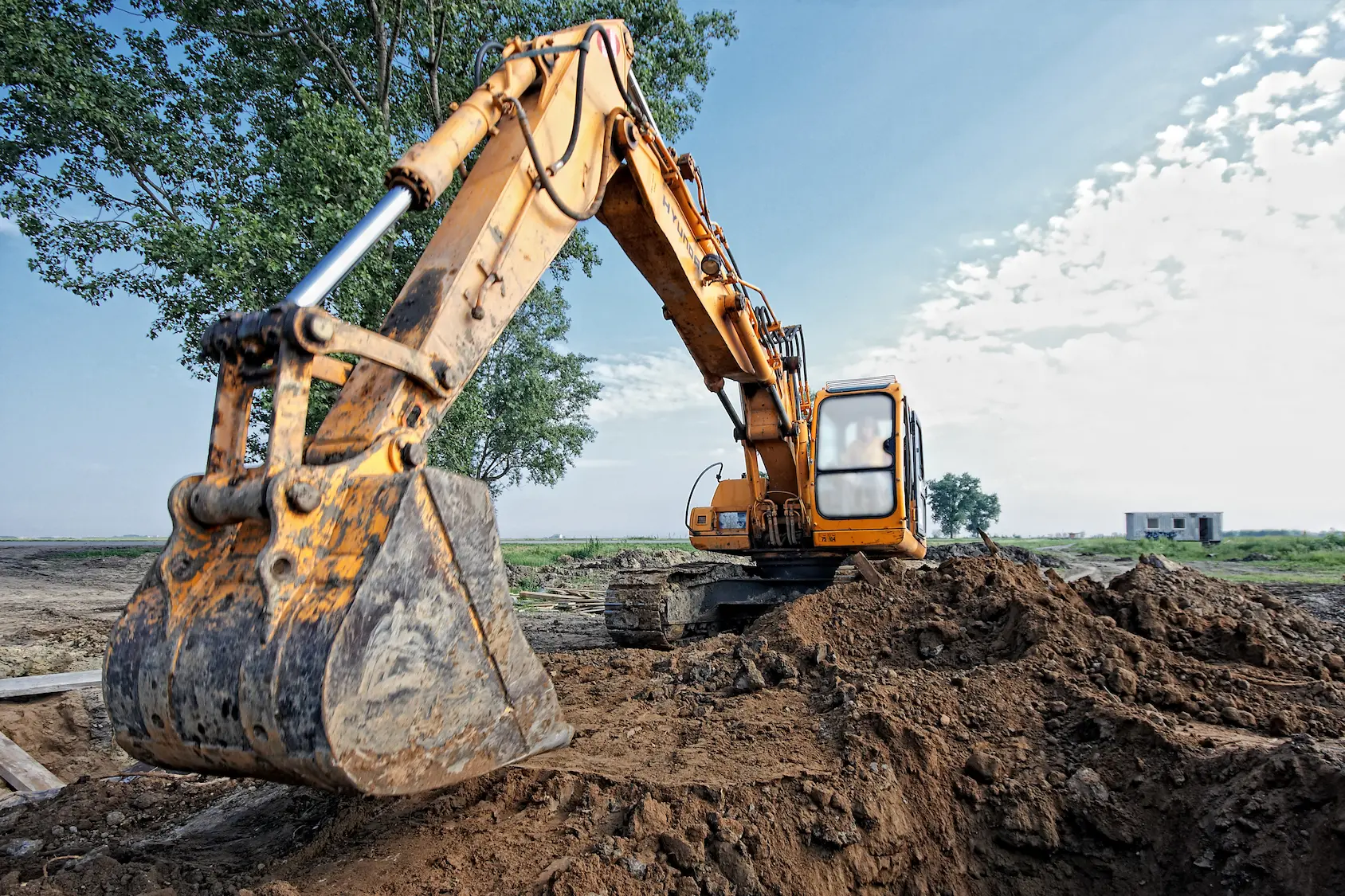
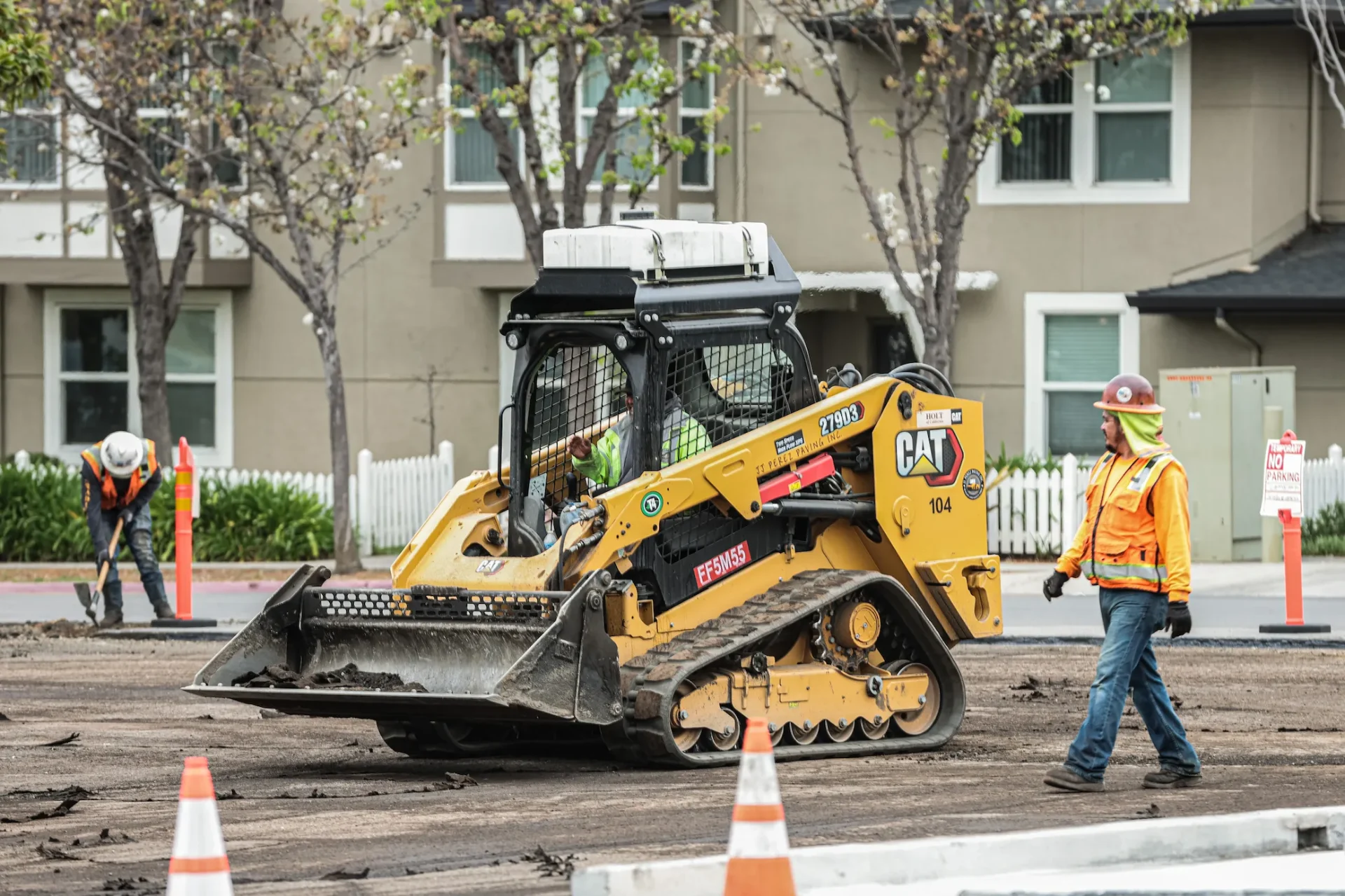
Before any structure rises, the most critical work happens below ground. Sitework excavation establishes stable, properly graded foundations that protect against structural failure, drainage issues, and long-term safety hazards. When this step is rushed or done incorrectly, the result is often costly repairs that can total tens of thousands of dollars or, in extreme cases, require tearing out work and starting over.
In this guide, we break down what sitework excavation actually does, the real consequences of skipping or mishandling it, and what Bay Area property owners should understand before breaking ground. With over 15 years of experience delivering sitework for residential lots and commercial developments across the Bay Area, EARTHTEK has seen firsthand how quality excavation determines whether a project succeeds or fails.
What Sitework Excavation Actually Includes
Sitework excavation prepares and grades land before construction begins. It creates the stable conditions necessary for long-term structural performance.
Typical sitework excavation includes:
- Clearing and demolition: Removal of existing structures, vegetation, and debris to create a clean build site.
- Grading and leveling: Shaping the land to achieve proper elevations and slopes for structural support and drainage.
- Utility trenching: Excavation of pathways for water, sewer, electrical, and gas lines at code-compliant depths.
- Soil compaction and stabilization: Densifying soil to prevent settling, shifting, or uneven foundation support.
- Drainage system installation: Directing surface and subsurface water away from structures to prevent erosion and moisture damage.
Why this matters:
- Each step serves a specific structural or functional purpose
- Work follows engineered plans, soil conditions, and local building codes
- Precision execution creates a stable, long-lasting foundation for everything built above
Five Ways Proper Sitework Protects Your Investment
1. Creates a Stable Foundation
Every structure relies on solid, level ground to distribute weight evenly. When grading is uneven or soil is not properly compacted, differential settling occurs. One portion of the structure sinks faster than another, leading to cracks in foundations, walls, and floors that worsen over time and compromise structural integrity.
Proper soil compaction eliminates air pockets and ensures consistent density across the building pad. This is especially critical in the Bay Area, where seismic activity places additional stress on foundations. Structures built on inadequately prepared ground are far more vulnerable during earthquakes.
Foundation repairs typically cost $10,000 to $50,000 or more, far exceeding the cost of proper sitework performed upfront.
2. Prevents Water Damage and Drainage Problems
Correct grading directs water away from structures instead of allowing it to pool against foundation walls. Standing water causes erosion, creates hydrostatic pressure, and eventually infiltrates through cracks or porous materials. In crawl spaces and basements, this results in flooding, mold growth, and damage to structural supports.
Strategic excavation allows for the installation of drainage systems such as French drains, catch basins, and swales. For Bay Area properties, this is essential for managing seasonal rains and preventing hillside erosion that can destabilize structures.
Fixing drainage problems after construction often requires extensive excavation around completed foundations. This work is significantly more disruptive and costly than addressing drainage during initial site preparation.
3. Ensures Utility Infrastructure Works Correctly
Utility trenching at proper depths protects lines from future damage during landscaping or construction. Correct slopes ensure sewer and drainage lines flow by gravity, reducing the risk of backups and eliminating the need for mechanical pumping systems.
Strategic placement also allows utilities to remain accessible for maintenance without disturbing driveways, slabs, or finished landscaping. Bay Area municipalities enforce strict requirements for utility depths and separation distances. Violations lead to failed inspections, delays, and costly corrections.
Proper trenching from the start prevents the need to excavate through completed work to repair or relocate utility lines.
4. Improves Site Safety During and After Construction
Level, compacted work surfaces reduce accident risk during construction. Crews working on unstable ground face higher injury rates, while inadequate compaction increases the risk of sinkholes or cave-ins that can damage equipment or injure workers.
Slope stabilization is especially important for Bay Area hillside properties, where erosion or landslides can threaten structures and neighboring lots. Long-term safety benefits include fewer trip hazards, better water drainage, and surfaces that remain stable over time.
Property owners are legally responsible for injuries that occur on their land. Proper sitework significantly reduces liability exposure.
5. Saves Money Over the Life of the Property
Quality sitework represents a small upfront investment compared to the long-term costs of correcting failures. Residential excavation and grading may cost $5,000 to $15,000, while foundation repairs can reach $30,000 to $100,000 or more. Drainage corrections after construction often cost several times more than proper initial installation.
Accurate grading also prevents construction delays. Discovering soil or drainage issues mid-project halts progress while solutions are engineered, increasing labor costs, equipment rentals, and project timelines.
Proper site preparation allows for accurate material estimates, reducing waste and avoiding shortages. Over time, structures built on well-prepared sites experience fewer maintenance issues, longer service life, and greater overall value.
When Sitework Goes Wrong: Real Consequences
When sitework is done incorrectly, the consequences don’t appear all at once. They build over time, turning small mistakes into major structural and financial problems.
Foundation cracking and settling
Hairline cracks often appear within the first few years, then widen into serious structural issues requiring costly underpinning or foundation replacement.
Basement and crawl space flooding
Improper grading directs water toward structures, leading to recurring flooding, mold growth, structural rot, and ongoing drainage failures.
Premature driveway and pavement failure
Inadequately prepared bases cause driveways and parking lots to crack, develop potholes, and require replacement years earlier than expected.
Utility line damage and access issues
Shallow or improperly placed trenching forces repairs through finished driveways, landscaping, or building slabs, dramatically increasing repair costs and disruption.
Erosion and slope instability
Poor water management undermines foundations, retaining walls, and hardscaping, especially on hillside properties where slope failure poses serious risks.
Failed inspections and code violations
Noncompliant sitework can halt projects, requiring demolition and rework before approvals are granted.
Why these problems escalate:
- Improper grading leads to drainage failures
- Drainage failures cause foundation damage
- Foundation repairs require extensive excavation
- Each issue compounds the next, multiplying costs at every stage
What Makes Quality Sitework
Quality sitework is defined by planning, precision, and adherence to engineering standards. It is not just about moving soil. It is about preparing land to safely support structures for decades.
1. Soil Analysis and Pre-Construction Testing
Quality sitework begins with understanding the ground conditions before excavation starts. Soil testing identifies composition, load-bearing capacity, drainage behavior, and expansion potential. This information determines excavation depth, compaction methods, and whether stabilization or soil replacement is required to prevent future settlement or heaving.
2. Proper Equipment and Skilled Operation
Using the correct equipment ensures accuracy and efficiency. Compact equipment such as Bobcats allows for precise grading on residential sites with limited access, while larger excavators are necessary for commercial-scale projects. Skilled operators understand grading tolerances, compaction standards, and how to execute engineered plans without over-excavation or improper fill placement.
3. Compliance With Local Codes and Engineering Requirements
Bay Area sitework must meet strict standards for seismic resistance, slope stability, and environmental protection. Quality contractors are familiar with local building codes, permitting requirements, and inspection standards. Compliance is integrated into the excavation process rather than addressed after problems arise.
4. Correct Materials and Backfill Selection
Material quality directly impacts long-term performance. Using approved backfill materials, select fill for utility trenches, and engineered base materials for driveways and parking areas prevents settlement, surface failure, and utility damage. Substituting cheaper materials often leads to costly repairs later.
5. Proper Compaction and Verification
Achieving the required soil density requires multiple compaction passes using appropriate equipment. Quality sitework includes compaction testing to confirm specifications are met. Density is measured and verified, not assumed, to ensure long-term stability.
6. Site-Specific Bay Area Considerations
Local conditions play a major role in excavation quality. Expansive clay soils require special handling to prevent cracking and movement. Seismic design demands properly prepared building pads. Hillside properties must follow slope stabilization and erosion control regulations. Environmental protections and permits must be addressed during site preparation to avoid project delays and violations.
Is Sitework Always Necessary?
For any permanent structure, the answer is yes. Buildings, garages, driveways, parking lots, and substantial hardscaping all require proper sitework to perform as intended and reach their expected lifespan.
The only true exceptions are temporary structures that do not require foundations and will not remain in place long enough for settlement to become an issue. Even in these cases, basic grading is still recommended to manage drainage and prevent water-related problems.
Truly flat, stable sites that require no excavation or grading are extremely rare. Most properties need at least some site preparation to establish proper drainage slopes and create stable building pads.
The cost-benefit calculation is straightforward. Skipping sitework to save a few thousand dollars exposes a project to risks that can cost tens of thousands to correct later. Even small projects benefit from basic grading and drainage planning, because water management affects everything built on a property.
The Invisible Foundation of Every Successful Project
Sitework excavation is the foundation beneath the foundation. It determines whether everything built on top succeeds or fails over time. Quality sitework prevents expensive structural problems, protects against water damage, ensures utilities function correctly, and creates safe, stable surfaces that last decades.
The investment in proper excavation and grading pays returns throughout the life of your property. Structures remain stable, water drains properly, and you avoid the costly repairs that come from cutting corners during site preparation.Planning a construction project in the Bay Area? Contact us; EARTHTEK provides precision sitework excavation for residential and commercial properties from lot preparation to complex grading. We handle the critical groundwork that sets your project up for success.