Most commercial parking lots do not fail overnight. They send warning signs for months, sometimes years, before a crack turns into a pothole that damages a tenant's tire or a cracked accessible route turns into a compliance complaint. The property managers who catch commercial parking lot repair needs early spend a fraction of what the ones who wait end up paying.
The challenge is knowing which signs actually mean something. A hairline crack in one spot is cosmetic. The same crack spreading into a network of connected cracks is a structural warning. Below are the seven signs that mean it is time to call in a commercial parking lot repair, not just keep an eye on it.
Sign 1: Potholes That Keep Reopening After a Quick Fix
A pothole that gets cold-patched and reopens within a few months is not a patching failure, it is a sign the patch addressed the surface, not the cause. Potholes form when water gets underneath the asphalt and weakens the base material, so a surface-level patch over a failed base will almost always crack and sink again. If you have patched the same spot more than once, the lot needs a saw-cut, full-depth repair that removes the damaged area down to a solid base rather than another temporary fix.
Sign 2: Standing Water That Doesn't Drain
A well-graded asphalt lot sheds water quickly. If puddles are still sitting in the same spots a day after the rain stops, the surface has either lost its slope through wear and settling, or the base underneath has started to sink. Standing water is more than a cosmetic problem: it keeps softening the asphalt and base every time it sits there, which accelerates the very damage that caused the puddle in the first place.
Sign 3: Alligator Cracking Across Drive Lanes
Alligator cracking, a network of interconnected cracks that resembles reptile skin, is one of the clearest signs that damage has moved past the surface and into the base layer. It shows up first in the areas that take the most weight, like delivery routes and main drive lanes, because repeated heavy loads are what break the base down in a connected pattern instead of isolated cracks. Once alligator cracking appears, patching the individual cracks is a temporary fix at best; the section usually needs full-depth repair.
Sign 4: Crumbling or Raveling Along Cracks and Edges
Raveling is what happens when the asphalt surface starts losing aggregate, the small stones that make up the asphalt mix, leaving a rough, crumbling texture along cracks, edges, or curb lines. It is a sign the asphalt binder holding the surface together has aged and weakened, usually from UV exposure and oxidation. Left alone, raveling accelerates: the rougher surface collects more water and debris, which speeds up further breakdown.
Sign 5: Sunken or Uneven Sections
A section of pavement that has visibly dipped, or that you feel your vehicle drop into while driving over it, points to a failure underneath the surface rather than on it. Sinking usually means the base material has eroded or compacted unevenly, often from long-term water infiltration. This is also one of the more liability-sensitive signs on this list, since an uneven surface is a tripping and vehicle-damage hazard that tends to draw complaints before a property manager even spots it firsthand.
Sign 6: Cracking or Unevenness Near Accessible Parking Spaces
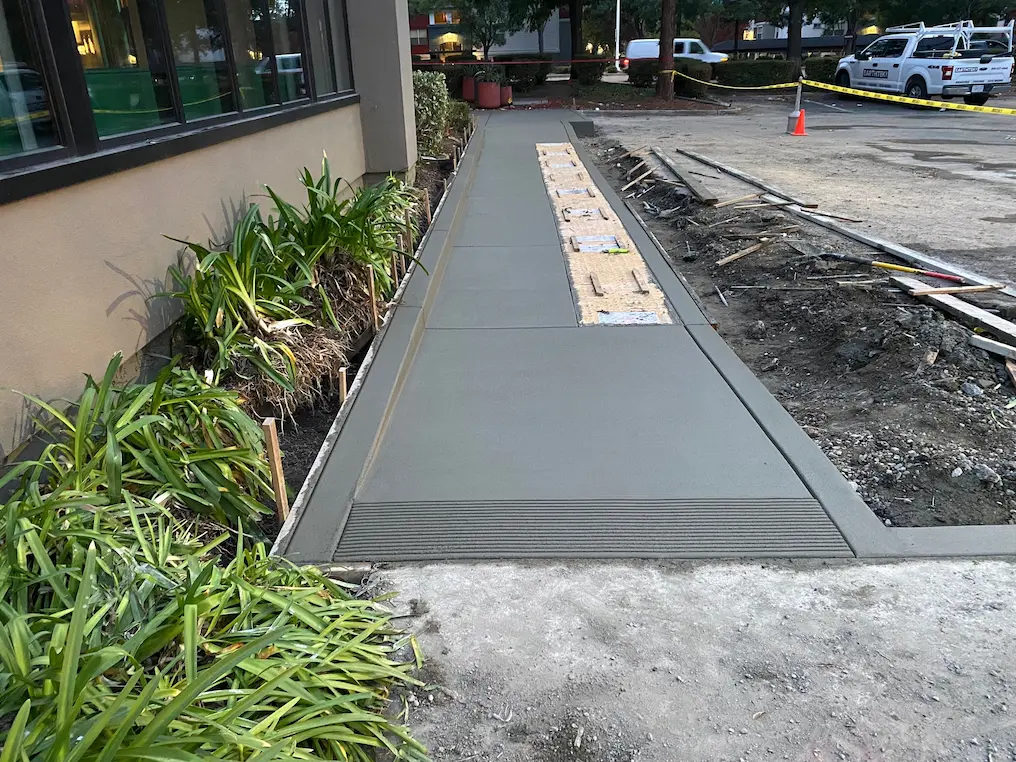
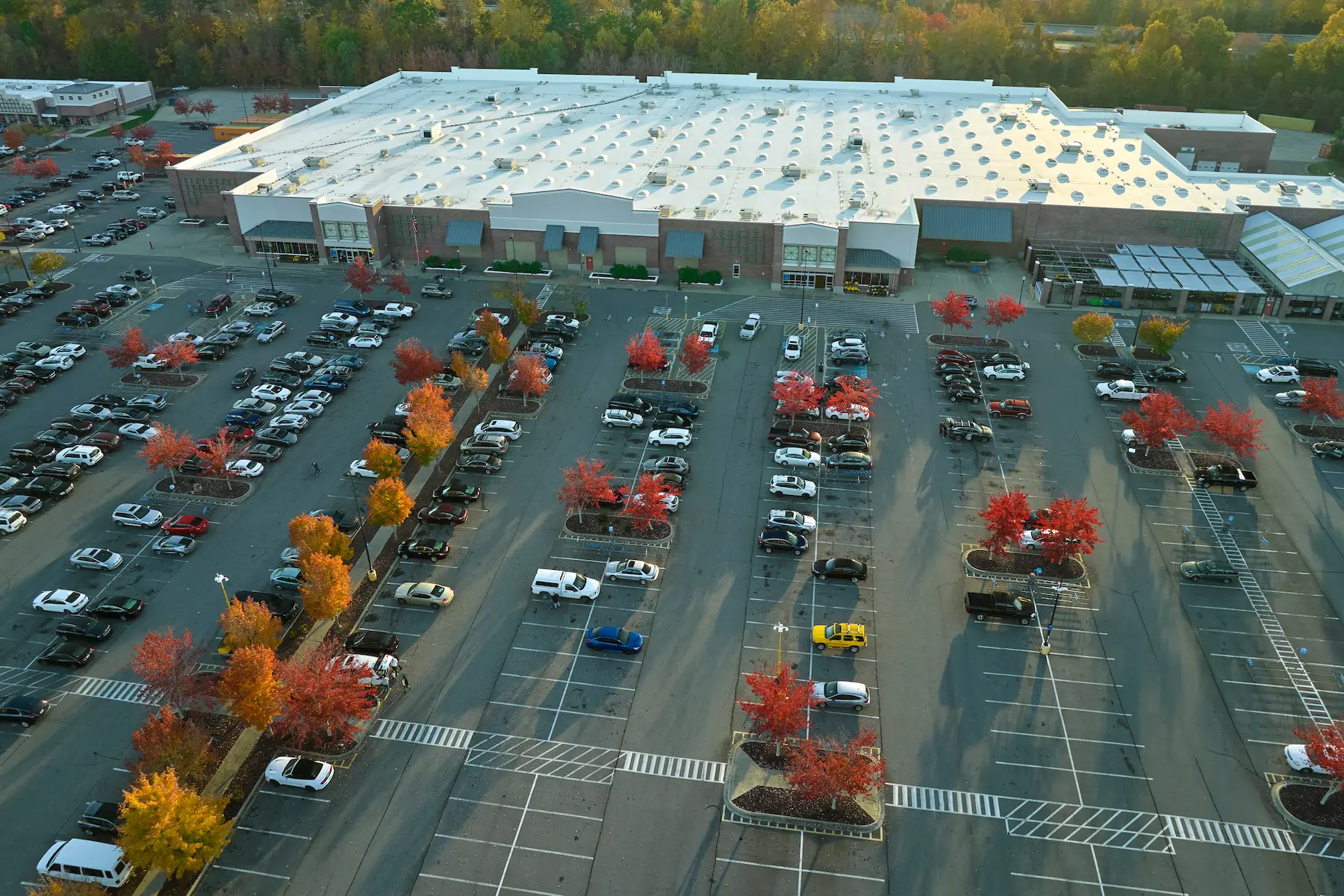
Damage anywhere in a commercial lot is a maintenance issue. Damage on or along an accessible parking space, access aisle, or the accessible route to your entrance is a compliance issue. According to the U.S. Access Board's ADA parking guidance, these areas must have a surface that is firm, stable, and slip-resistant on an ongoing basis, not just when the lot was originally striped. Routine patching is treated as maintenance rather than a triggering "alteration," so a repair on its own does not require adding new accessible spaces, per the U.S. Access Board. But letting that surface degrade into an uneven or cracked barrier is its own risk, independent of whatever caused the original damage. If you are prioritizing which damage to fix first, start here.
Sign 7: Tenant or Customer Complaints Tied to the Pavement
By the time someone reports a tripping hazard, a tire damaged by a pothole, or a near-miss from uneven pavement, the lot has usually been showing one or more of the signs above for a while. Complaints are a lagging indicator, not a leading one, so treat the first complaint as confirmation that repair is overdue rather than the moment to start paying attention.
What Repair Actually Involves
Once you have spotted one or more of these signs, the right fix depends on how deep the damage goes:
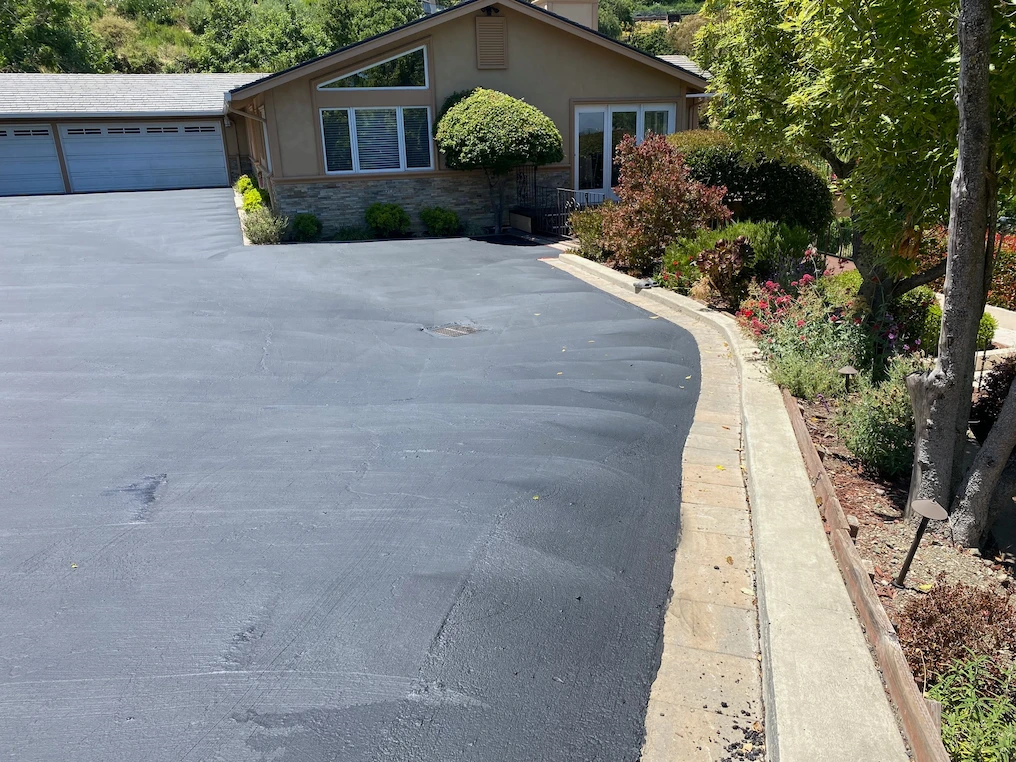
- Skin patching adds a thin layer of new asphalt over minor surface wear and is the fastest, least expensive option, but it is also the least durable.
- Saw-cut, full-depth patching cuts out the damaged section down to a solid base and rebuilds it, which costs more per square foot but is the right call for potholes, alligator cracking, and sunken sections where the failure has reached the base.
- Infrared patching heats the existing asphalt so new material bonds seamlessly with the old surface; it is faster and less disruptive than saw-cut work, making it a strong option for surface-level cracking, especially along accessible routes where a smooth, level transition matters most.
EARTHTEK provides asphalt patching and repair services using all three methods, and an inspection, not a guess over the phone, determines which one your lot actually needs.
What Drives the Cost of Commercial Parking Lot Repair
Two quotes for what looks like the same damage can land far apart, and it usually comes down to three factors: the square footage and severity of damage, the patching method required, and how much scheduling flexibility the job needs. A business that cannot afford to close its lot during operating hours typically needs section-by-section or weekend work, and a contractor who specializes in commercial properties, including EARTHTEK's crews, builds that flexibility into the estimate rather than treating it as an afterthought. Quotes can also vary between San Jose, Milpitas, and other Bay Area cities based on local permit requirements, which is why an accurate number requires an on-site visit rather than a phone estimate.
Frequently Asked Questions
How much does commercial parking lot repair cost?
Cost depends on the square footage of damage, the patching method required, and site access. Saw-cut patching runs higher per square foot than infrared or skin patching but holds up longer under heavy traffic. The only way to get an accurate number is an on-site inspection and a free estimate.
How long does commercial parking lot repair take?
Most patch jobs finish within a day to a few days, depending on how many of the signs above are present and whether sections of the lot need to stay open to traffic during the work.
Can a contractor repair a parking lot without closing the whole property?
Yes, in most cases. Contractors who regularly work on commercial properties typically schedule repairs section by section, or after hours, specifically to keep the rest of the lot operational during the job.
Is it ever cheaper to resurface instead of repair?
If several of the signs above are showing up across a large share of the lot rather than in isolated spots, continuing to patch piece by piece can cost more over time than resurfacing. See our guide to repairing, resurfacing, or replacing asphalt for a closer look at that decision.
Don't Wait for the Eighth Sign
Pavement preservation research backs up what most property managers learn the hard way: deferring a small repair rarely saves money. The Federal Highway Administration has found that every dollar spent now on pavement preservation can save up to six dollars in future rehabilitation costs. A repair budgeted this quarter is, in almost every case, cheaper than the resurfacing project, or the liability claim, that it prevents.
EARTHTEK has handled commercial parking lot repair across San Jose, Milpitas, and the wider Bay Area for more than 17 years, and our crews are used to working around active businesses rather than around our own schedule. We will walk your lot, tell you plainly which of these signs apply and what they mean, and put a fix in writing before any work starts.
If your lot tends to develop the same issues repeatedly, ask about an ongoing parking lot maintenance plan instead of repairing the same sections on a one-off basis.
If your lot is showing one or more of these signs, request a free estimate and find out exactly what it will take to fix it.