Sustainable paving materials are driveway surfaces designed to reduce environmental impact by improving drainage, using recycled or natural materials, and lasting longer than traditional concrete or asphalt. For Bay Area homeowners, these materials offer a practical way to manage stormwater responsibly while still delivering durability and curb appeal.
More Bay Area homeowners are thinking beyond curb appeal when planning a new driveway. The question is no longer just “What looks good?” it’s also “What’s better for the environment and my property long-term?”
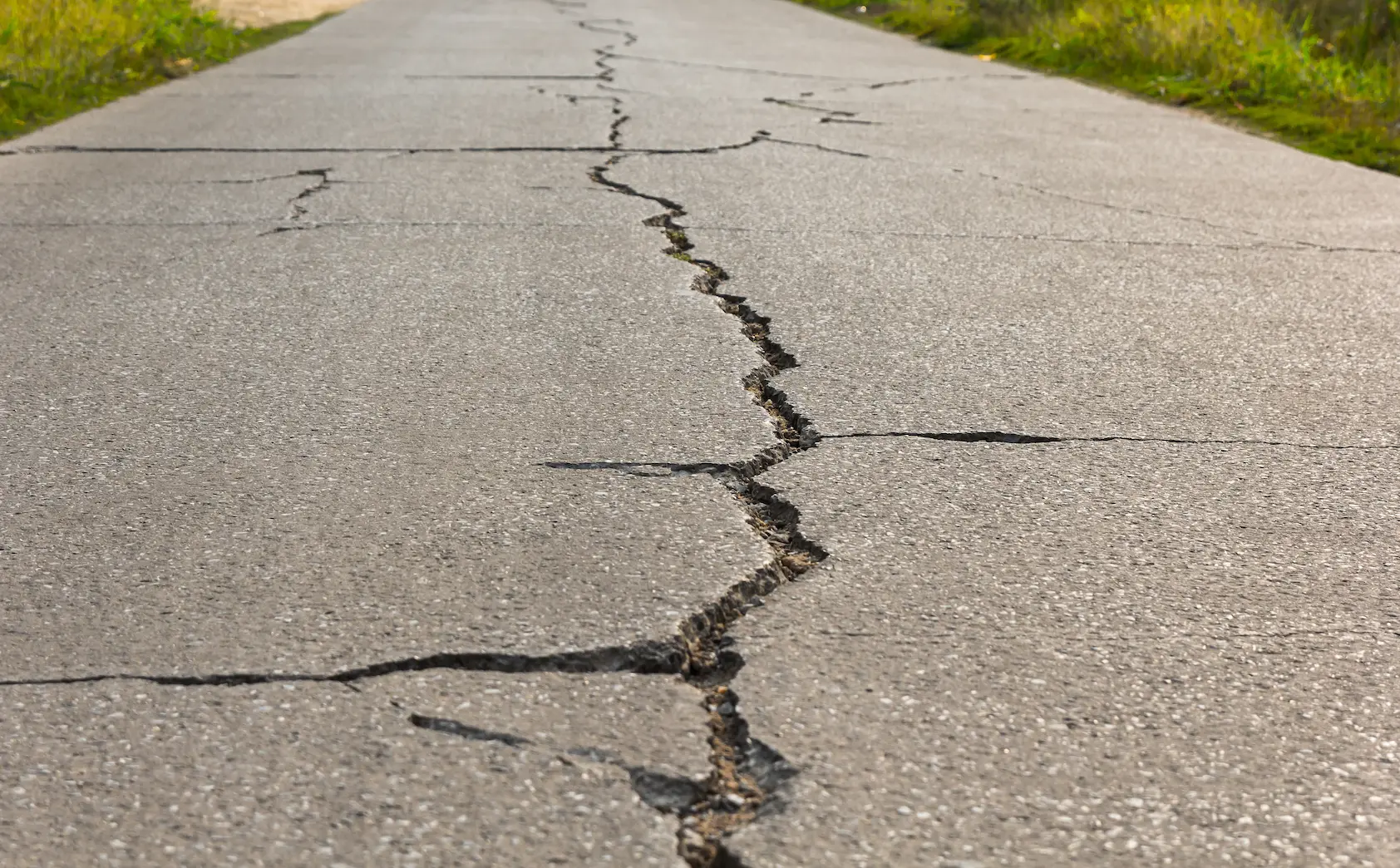
The good news: choosing eco-friendly driveway materials doesn’t mean sacrificing strength, lifespan, or aesthetics. Modern sustainable paving solutions are built to handle daily use while supporting greener homes. If your existing concrete driveway is showing wear, understanding when to replace your concrete driveway can help you decide whether to repair or invest in a sustainable paving solution.
The Best Sustainable Paving Materials at a Glance
Permeable pavers
- Up to 100% runoff reduction
- Lifespan: 25–30+ years
- Cost: Higher upfront, excellent long-term value
Recycled concrete & asphalt
- Diverts waste from landfills
- Lifespan: 20–30 years
- Cost: ~20–30% less than new materials
Gravel & decomposed granite
- Natural drainage, minimal processing
- Lifespan: 10–15 years (with maintenance)
- Cost: Lowest
Grass pavers (turf block systems)
- Blends paving with living turf
- Lifespan: 20–25 years
- Cost: Mid-range plus lawn care
Reclaimed brick & natural stone
- Zero new manufacturing
- Lifespan: 30+ years
- Cost: Varies by availability
Porous asphalt
- Water-infiltrating, traditional look
- Lifespan: 15–20 years
- Cost: Moderate
Quick takeaway: The “best” sustainable driveway material depends on whether your priority is stormwater control, recycled content, longevity, or budget—but all outperform traditional impervious surfaces environmentally.
Why Sustainable Driveways Matter in the Bay Area
The Bay Area’s clay-heavy soils, sloped lots, and seasonal downpours make stormwater management a real concern. Traditional concrete and asphalt driveways send thousands of gallons of runoff into storm drains each year, contributing to pollution, erosion, and localized flooding.
Sustainable paving materials address these challenges directly:
- Allow rainwater to soak back into the ground
- Reduce strain on municipal drainage systems
- Help recharge local groundwater
- Minimize surface cracking caused by water buildup
In some Bay Area cities, permeable surfaces are now required or incentivized for new construction and major renovations. There’s also a resale advantage: eco-conscious features are increasingly attractive to homebuyers.
Sustainable Paving Materials Compared
Permeable Pavers
Permeable pavers are interlocking concrete or stone units with joints that allow water to filter through a gravel base and into the soil below. When properly installed, they can reduce runoff by up to 100%.
Best for:
- Primary driveways
- Sloped properties
- Homes in runoff-sensitive areas
Not ideal for:
- Poorly compacted subgrades
- DIY installations without drainage planning
- Cost: $15–30 per sq. ft. installed
- Maintenance: Occasional sweeping or vacuuming of joints
Recycled Concrete and Asphalt
Recycled concrete and asphalt reuse materials from demolished roads and structures, keeping waste out of landfills and reducing demand for virgin aggregates.
Best for:
- Long or utilitarian driveways
- Driveway bases beneath pavers
- Budget-conscious projects
Not ideal for:
- Decorative or high-visibility designs
- Cost: 20–30% less than new materials
- Performance: Comparable to new when properly installed
Gravel and Decomposed Granite
Gravel and decomposed granite are among the most eco-friendly driveway materials due to minimal processing and excellent natural drainage.
Best for:
- Low-traffic driveways
- Rural or natural landscapes
Not ideal for:
- Steep slopes
- High daily vehicle traffic
- Cost: $1–5 per sq. ft.
- Maintenance: Periodic raking and replenishment
Grass Pavers (Turf Block Systems)
Grass pavers use a structural grid that supports vehicles while allowing grass to grow through, reducing heat buildup and preserving green space.
Best for:
- Secondary driveways
- Overflow parking
- Fire access lanes
Not ideal for:
- High-traffic primary driveways
- Cost: $8–15 per sq. ft.
- Maintenance: Regular lawn care
Reclaimed Brick and Natural Stone
Salvaged from older structures, reclaimed brick and stone require no new manufacturing and offer unmatched character and longevity.
Best for:
- Historic or custom homes
- Long-term durability
Consideration: Availability and sourcing timelines vary
Porous Asphalt
Porous asphalt looks similar to conventional asphalt but allows water to pass through into a stone base below.
Best for:
- Large driveways
- Homeowners wanting a uniform look
Trade-off: Shorter lifespan than standard asphalt
- Lifespan: 15–20 years
Bay Area–Specific Insight: What Homeowners Often Miss
One of the most common mistakes Bay Area homeowners make with sustainable paving is focusing on surface materials while overlooking the base and soil conditions.
Clay-heavy soils, common throughout the region, require carefully engineered base layers to prevent saturation and long-term settling. Without proper design:
- Permeable systems can drain too slowly
- Surfaces may shift or crack prematurely
- Maintenance requirements increase over time
This is why experience with local soils, slopes, and rainfall patterns matters as much as material selection.
What Maintenance Looks Like After 5–10 Years
Sustainable doesn’t mean maintenance-free, but it does mean predictable and manageable care:
- Permeable pavers: Occasional joint cleaning to maintain drainage
- Porous asphalt: Periodic vacuuming to prevent clogging
- Gravel: Surface replenishment every few years
- Grass pavers: Ongoing lawn care
When installed correctly, most sustainable driveways maintain full functionality well beyond a decade.
Build a Driveway That’s Better for Your Property and the Planet
Sustainable paving materials deliver real environmental benefits without compromising durability or appearance. Whether your priority is stormwater control, recycled content, or long-term performance, there’s an eco-friendly driveway solution designed for Bay Area conditions.
Considering a sustainable driveway for your home? Contact us today! At EARTHTEK, we offer a free consultation, and we’ll help you choose a system that works for both your property and the planet.
Frequently Asked Questions
Are sustainable driveway materials more expensive?
Some sustainable driveway materials cost more upfront, but many homeowners save money over time. Longer lifespans, fewer repairs, and reduced drainage issues often lower lifetime costs. In some Bay Area cities, incentives or code requirements for permeable surfaces can also offset initial expenses.
Do permeable pavers clog over time?
When properly designed and installed, permeable pavers are very resistant to clogging. Routine maintenance—such as occasional sweeping or vacuuming—keeps the joints draining effectively. Most issues occur when systems are poorly installed or not maintained, not because of the material itself.
Are permits required for sustainable driveways in the Bay Area?
Permit requirements vary by city and project scope. Many Bay Area municipalities require permits for full driveway replacements, grading changes, or permeable paving systems. Working with a local contractor helps ensure your driveway meets zoning, drainage, and stormwater regulations before installation begins.
How long do sustainable driveway materials last?
Lifespans vary by material, but many eco-friendly driveway options last 20–30 years or more when properly installed. Permeable pavers and reclaimed stone often outlast traditional concrete or asphalt while maintaining better drainage.
Some sustainable driveway materials cost more upfront, but many homeowners save money over time. Longer lifespans, fewer repairs, and reduced drainage issues often lower lifetime costs. In some Bay Area cities, incentives or code requirements for permeable surfaces can also offset initial expenses.
When properly designed and installed, permeable pavers are very resistant to clogging. Routine maintenance—such as occasional sweeping or vacuuming—keeps the joints draining effectively. Most issues occur when systems are poorly installed or not maintained, not because of the material itself.
Permit requirements vary by city and project scope. Many Bay Area municipalities require permits for full driveway replacements, grading changes, or permeable paving systems. Working with a local contractor helps ensure your driveway meets zoning, drainage, and stormwater regulations before installation begins.
Lifespans vary by material, but many eco-friendly driveway options last 20–30 years or more when properly installed. Permeable pavers and reclaimed stone often outlast traditional concrete or asphalt while maintaining better drainage.