It’s one of the most frustrating homeowner problems out there: no matter how many times you patch or fill those cracks in your driveway, they seem to keep coming back. It feels like you’re in an endless loop of repairs that never quite hold up. But the truth is, those recurring cracks aren’t random. They’re a signal of deeper issues that need a smarter, more strategic approach.
Let’s explore why driveway cracks keep reappearing and, more importantly, what can be done to address them for good.
Understanding the Root Causes
At a glance, driveway cracks might seem like minor surface flaws. But most of the time, they’re symptoms of larger structural or environmental issues. The surface repair is only as strong as the foundation beneath it. If the underlying conditions aren’t addressed, the cracks will simply work their way back to the surface.
Here are some common reasons those cracks keep coming back:
- Subbase Problems: If the soil or gravel base beneath your driveway wasn’t properly compacted or prepared, it can shift over time, leading to movement and cracking of the asphalt or concrete above.
- Water Intrusion: Water that seeps under the surface weakens the base material, especially during freeze-thaw cycles. As water freezes, it expands, creating pressure that forces cracks to widen.
- Tree Roots: Nearby trees can send out roots that push up from underneath the driveway, causing cracks and uneven surfaces.
- Heavy Loads: Driveways that routinely bear more weight than they were designed for (like commercial trucks or heavy equipment) will crack under the stress.
- Poor Materials or Workmanship: Sometimes, the driveway simply wasn’t constructed to last. Thin layers, improper asphalt mixes, or rushed installation can all lead to premature cracking.
Without addressing these core issues, patching over the cracks is just putting a Band-Aid on a deeper wound.
Why Simple Repairs Fail
Many people turn to quick fixes like crack fillers, sealants, or cold-patch asphalt from the hardware store. These can help in the short term by preventing water from getting into the cracks. But they don’t stop the underlying causes. Within a year or two — sometimes even sooner — the cracks resurface, often worse than before.
The reality is that effective driveway repair needs to go below the surface. It’s not just about smoothing out the top layer; it’s about stabilizing the structure beneath it so the cracks don’t have a reason to return.
A Smarter Solution: The Structural Approach
To stop driveway cracks from coming back, it’s essential to correct the underlying problems. That’s where a structural repair approach comes in. Rather than focusing solely on the visible damage, this approach targets the foundation, drainage, and environmental factors contributing to the issue.
Here are some practical steps that make a real difference:
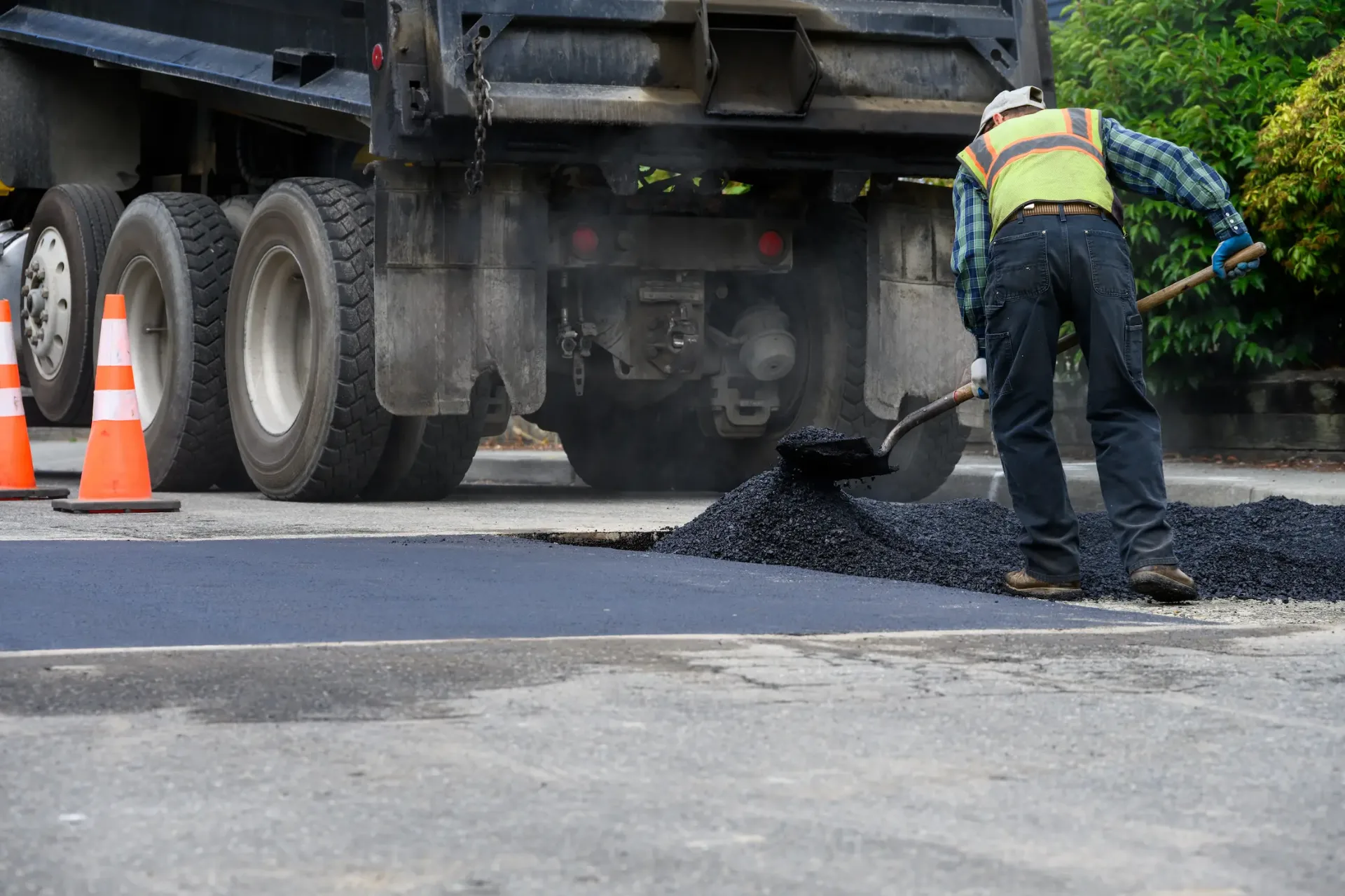
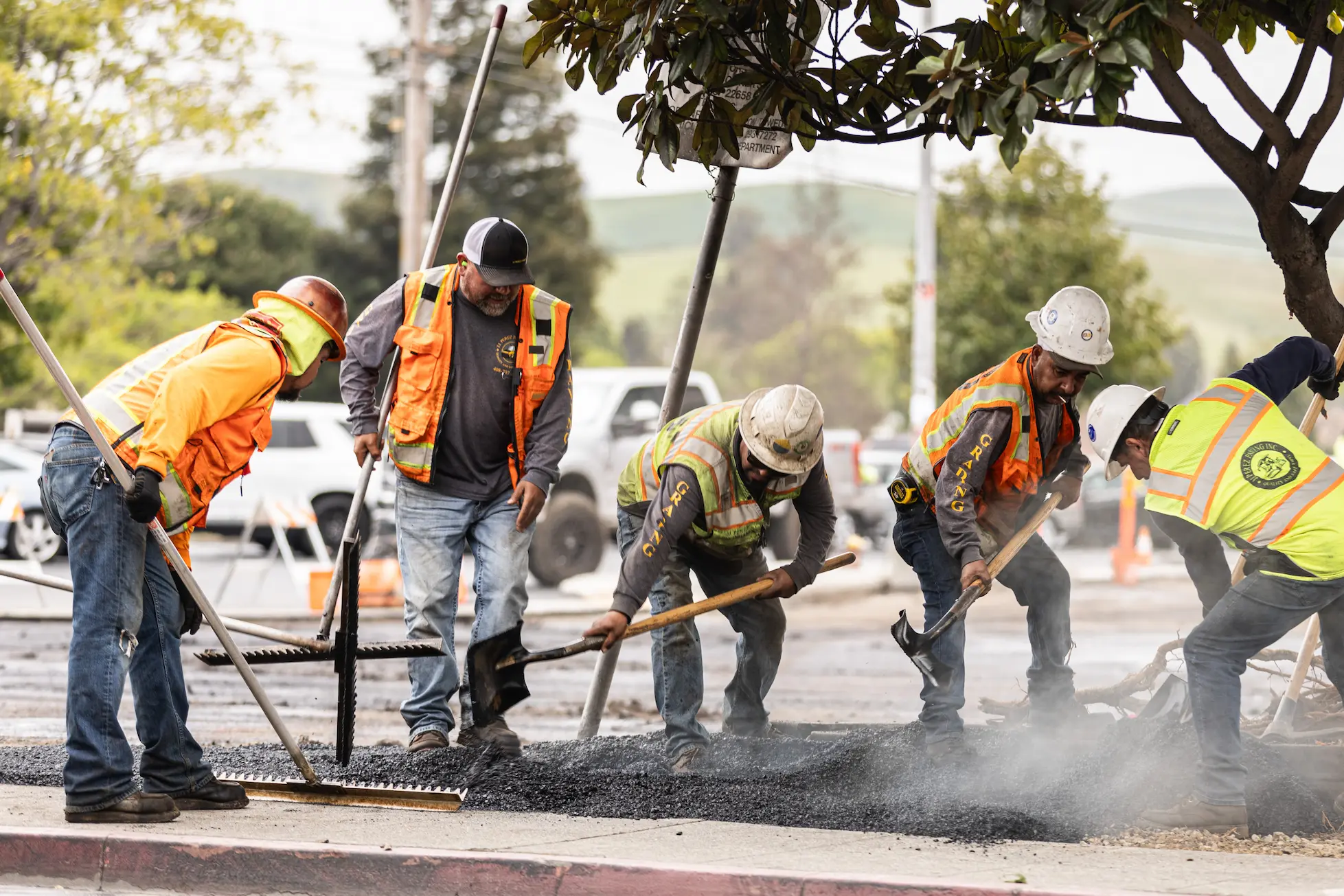
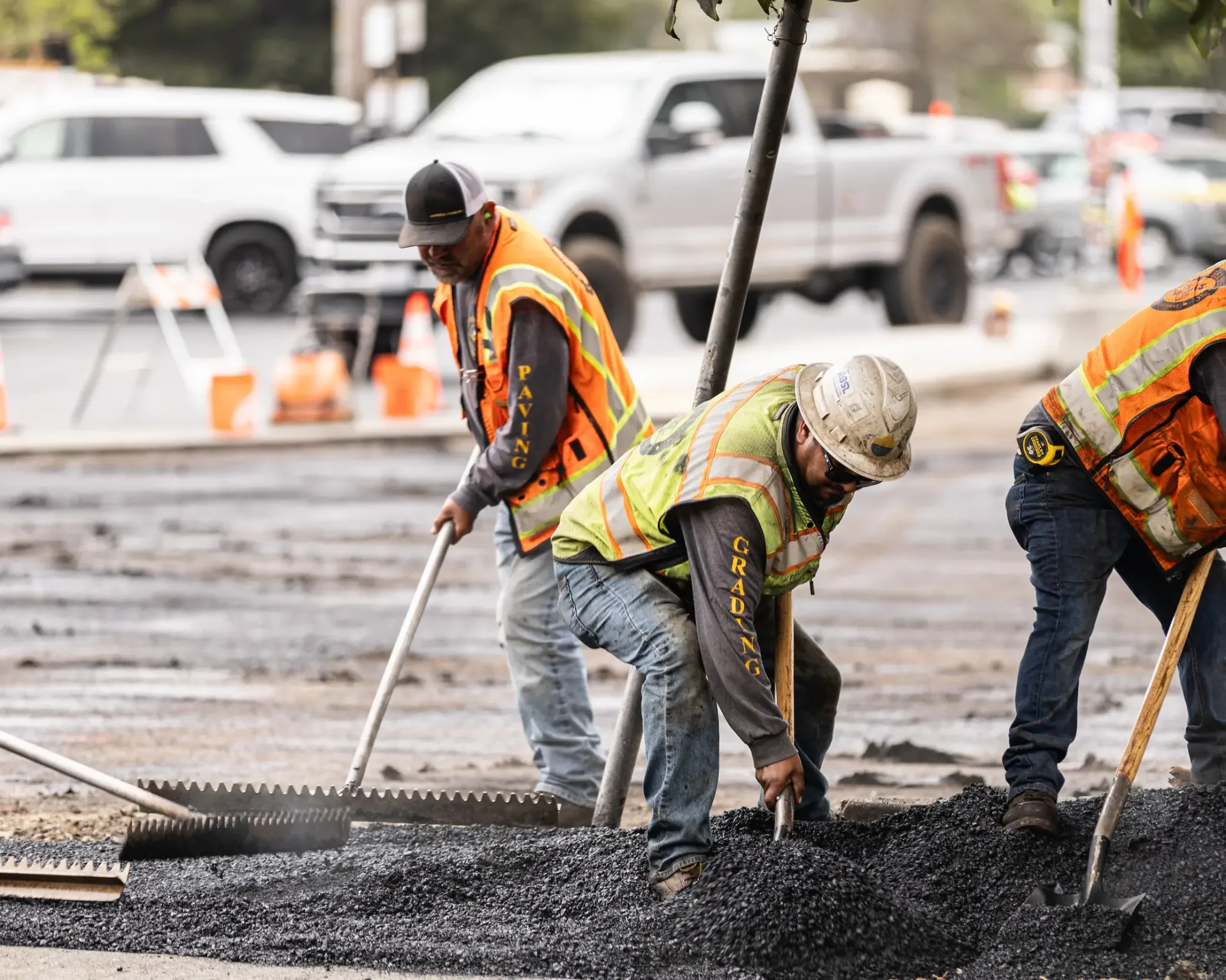
- Rebuilding the Base: In many cases, repairing a cracked driveway requires removing damaged sections, excavating the base material, and rebuilding it with proper compaction and drainage in mind.
- Improving Drainage: Redirecting water away from the driveway with proper grading, French drains, or other drainage solutions helps prevent water-related weakening of the subbase.
- Using Reinforced Materials: For driveways exposed to heavy traffic, adding reinforcement such as rebar or geo-grids can provide added strength and reduce cracking.
- Installing Root Barriers: If tree roots are a problem, root barriers can be installed to prevent roots from encroaching on the driveway structure.
Each of these steps involves more than a surface-level repair; they tackle the root causes to help ensure a longer-lasting solution.
Actionable Steps to Maintain a Crack-Free Driveway
Once the structural issues are addressed, ongoing maintenance plays an important role in protecting your investment. Here are a few tips to help keep your driveway in top condition:
- Sealcoat Every Few Years: Regular sealcoating helps protect the surface from water penetration, oxidation, and UV damage.
- Fix Small Cracks Promptly: Even after major repairs, small cracks can form over time. Sealing them early prevents them from growing into bigger problems.
- Manage Water Runoff: Make sure gutters and downspouts direct water away from your driveway to avoid pooling and erosion.
- Avoid Heavy Loads: Be mindful of large trucks or equipment that exceed the driveway’s load capacity.
- Keep It Clean: Remove debris, oil, and chemicals regularly to prevent surface deterioration.
Beyond Surface Repairs: Investing in Lasting Solutions
Recurring driveway cracks can be more than just an eyesore; they signal deeper issues that deserve a comprehensive fix. By moving beyond temporary patches and addressing the structural factors at play, you can break the cycle of repeat repairs and enjoy a driveway that stands the test of time.
Ready to Stop the Cracks for Good?
If you’re tired of seeing the same cracks show up year after year, it may be time for a more permanent solution. Reach out to discuss your driveway concerns and explore options tailored to your property’s unique challenges. Don’t settle for short-term fixes—let’s work together to get it done right.