Looking at a cracked, weathered driveway and hoping to avoid the expense of full replacement? In many cases, asphalt can be resurfaced with a new overlay instead of being torn out and rebuilt, but only when the underlying base is still structurally sound. When appropriate, resurfacing can cost 40 to 60 percent less than replacement and extend the life of your driveway for years.
The key is knowing when resurfacing makes sense and when it will fail. Not every damaged driveway qualifies, and choosing the wrong option can lead to wasted money and repeated repairs. In this guide, we break down when resurfacing works, when full replacement is necessary, how much each option costs, and how long you can expect the results to last. With over 15 years of experience evaluating driveways across the Bay Area, EARTHTEK helps property owners choose the most cost-effective solution based on real conditions, not guesswork.
Overlay vs. Replacement Explained
Resurfacing (Overlay) means adding a new 1.5- to 2-inch asphalt layer over your existing pavement. The original base and foundation stay in place. You're only replacing the surface layer. This works best for driveways with surface damage but solid foundations.
Full Replacement means complete removal of old asphalt and often the base material, then rebuilding from the ground up. Everything from the subgrade upward gets replaced. This approach addresses structural failure, base problems, and severe damage.
The key difference: resurfacing is cosmetic and protective, while replacement is structural reconstruction. Resurfacing fixes what you see on top. Replacement fixes what's underneath.
When Resurfacing Works (And When It Doesn't)
Resurfacing is only effective when the existing driveway structure is still sound. The surface may look worn, but the foundation beneath must be stable.
Resurface if Your Driveway Has:
Surface-level damage only:
- Hairline to minor cracks less than 1/4 inch wide
- Fading and oxidation that's turned the surface gray and weathered
- Minor surface deterioration or raveling with small loose stones
- Shallow potholes less than 2 inches deep
- A base that remains solid when you walk on it no sinking, no movement
- Proper water drainage without major pooling areas
- Ages around 10 to 15 years with decent maintenance history
The surface looks bad, but the foundation underneath is stable.
Replace if Your Driveway Has:
Structural problems:
- Deep cracks wider than 1/4 inch or showing separation
- Alligator cracking with interconnected cracks forming web patterns
- Significant settling or sinking in specific areas
- Base failure shown by soft spots or areas that move when stepped on
- Major drainage issues causing persistent water pooling
- Extensive edge deterioration or crumbling
- Frost heave damage in areas experiencing freeze-thaw cycles
- Age over 20 years without major maintenance
- A previous overlay that failed, indicating underlying base problems
Walk your entire driveway and note any areas that feel soft, spongy, or unstable, as these indicate base failure that resurfacing cannot fix. Check drainage patterns and look for persistent water pooling, which signals grading issues requiring full reconstruction.
Finally, press along the edges of existing cracks. If sections move independently or show vertical displacement, the base has failed, and resurfacing will crack and fail quickly.
Cost Comparison: Resurfacing vs. Replacement
Cost is often the deciding factor, but the lowest upfront price does not always deliver the best long-term value.
Resurfacing Costs
Average cost in the Bay Area runs $2.50 to $4.50 per square foot. A typical 600 square foot driveway costs between $1,500 and $2,700. This includes crack repair preparation, tack coat application, overlay installation, and compaction. Timeline is typically 1 to 2 days.
Full Replacement Costs
Average cost runs $5 to $8 per square foot. The same 600 square foot driveway costs $3,000 to $4,800. This includes demolition, disposal, base preparation, and new asphalt installation. Timeline is typically 3 to 5 days.
Cost vs. Value Over Time
Resurfacing costs roughly 50% of replacement. But choosing resurfacing when replacement is actually needed means you pay twice, once for the failed overlay and again for the inevitable replacement when the base problems persist.
Calculate the cost per year of use for real value. A proper overlay on a sound base extends driveway life 8 to 15 years. Full replacement gives you 20 to 30 years. A $2,000 overlay lasting 10 years costs $200 per year. A $4,000 replacement lasting 25 years costs $160 per year. The replacement actually delivers better value despite the higher upfront cost.
How Long Does Resurfaced Asphalt Last?
Under ideal conditions with proper maintenance, resurfaced asphalt lasts 8 to 15 years.
Factors affecting lifespan:
The quality of the underlying base is the most critical factor. A compromised base shortens lifespan dramatically. Climate and weather exposure matter; the Bay Area's mild climate without harsh freeze-thaw cycles helps overlays last longer. Traffic volume and vehicle weight affect wear rates. Maintenance commitment, particularly sealcoating every 2 to 3 years, extends lifespan significantly. Preparation quality before applying the overlay impacts bonding and performance. Thickness of the overlay layer correlates with durability; thicker lasts longer.
Reality check: If the base has problems, a resurfaced driveway might fail within 2 to 3 years regardless of surface quality. This is why honest assessment before resurfacing matters. A quality overlay on a solid base can outlast a poorly installed full replacement.
The Resurfacing Process
A successful asphalt overlay depends on proper preparation and precise installation at every step.
Preparation Work
Thorough cleaning with power washing and debris removal comes first. Contractors repair existing cracks and potholes with appropriate filler materials. High spots or uneven edges get milled down for smooth transitions. A tack coat, an adhesive bonding layer, gets applied between the old and new asphalt surfaces.
Application
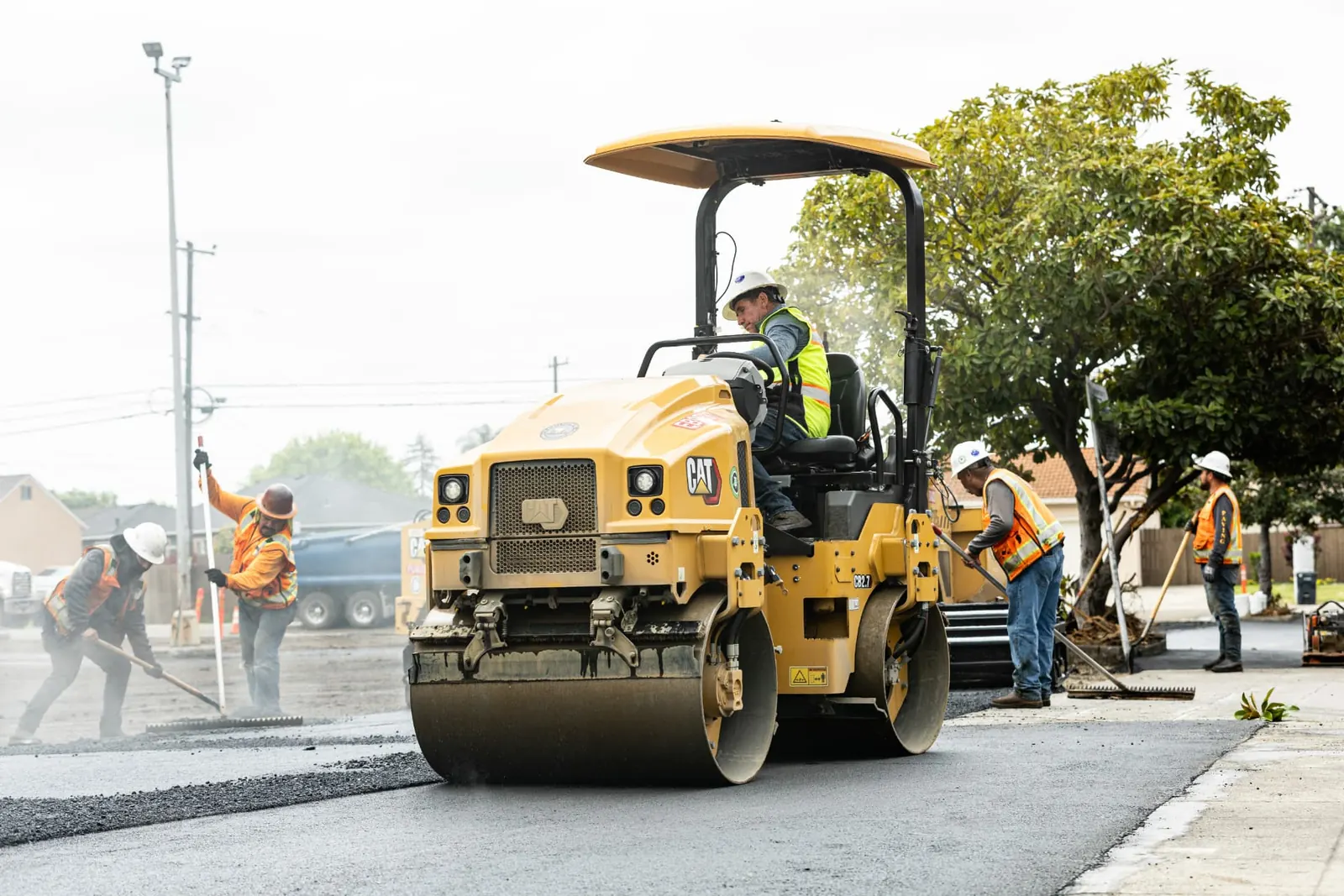
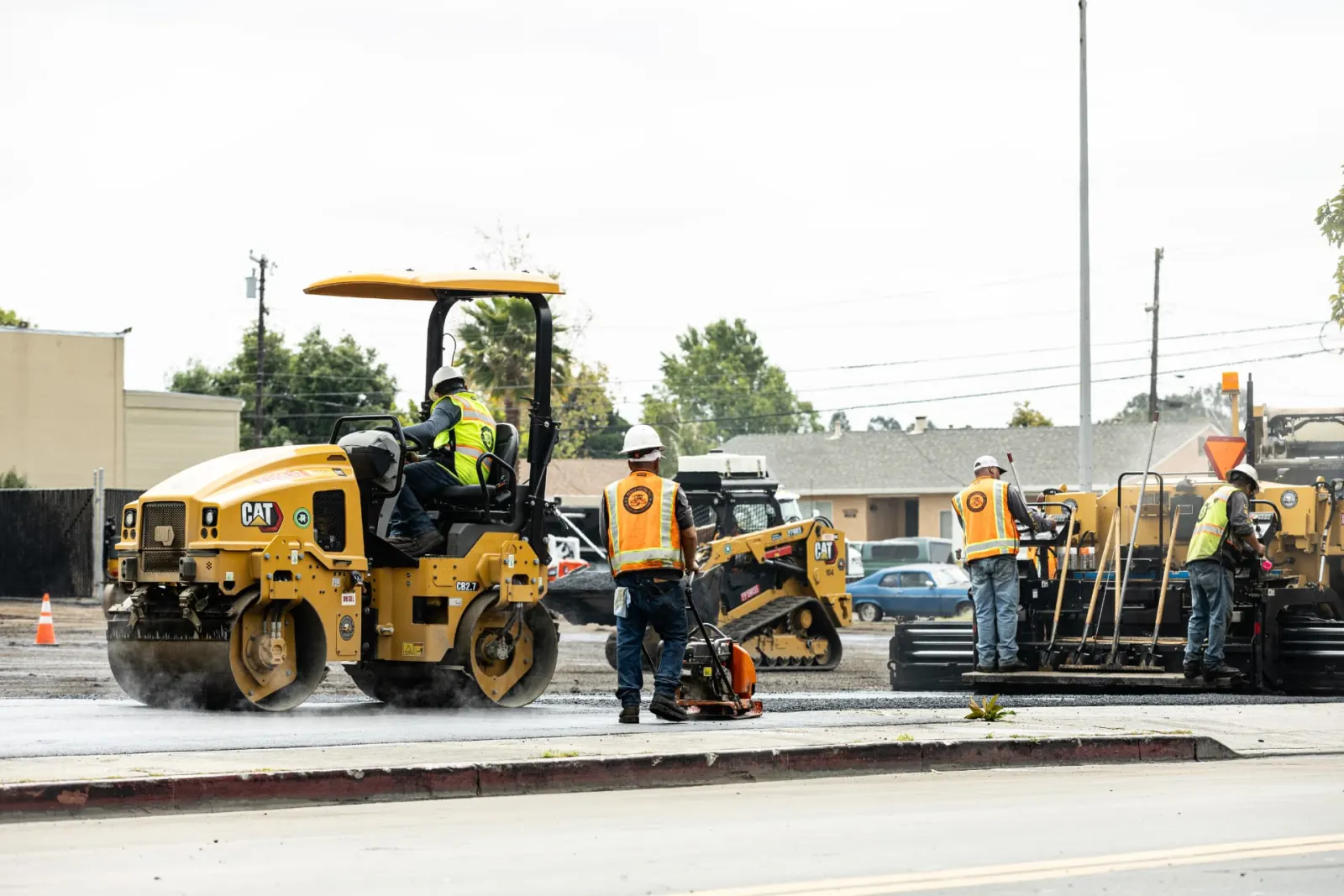
Workers lay the new asphalt overlay at a typical thickness of 1.5 to 2 inches. They compact it thoroughly with a heavy roller to achieve proper density. Edges get feathered to blend smoothly with surrounding surfaces like sidewalks or garage floors. The surface needs 24 to 48 hours of curing time before regular vehicle use.
Why Professional Installation Matters
Proper compaction requires commercial equipment. Even thickness across the entire surface demands experience and the right tools. Correct bonding between old and new layers determines whether the overlay lasts years or months. DIY resurfacing typically fails within the first year due to inadequate preparation, poor bonding, or insufficient compaction.
Hidden Factors Most Contractors Won't Mention
Not all considerations are visible at first glance. These often-overlooked factors play a critical role in long-term performance.
Building Height Issues
Resurfacing adds 1.5 to 2 inches of height to your driveway surface. This creates problems with garage door clearances, transitions to sidewalks, or drainage slopes. If you're already close to thresholds or have minimal clearance under garage doors, this matters significantly. Measure before committing to resurfacing.
Multiple Overlays Compound Problems
If your driveway has already been resurfaced once, a second overlay is usually not recommended. Each layer adds weight the base must support and makes future repairs more complicated. The additional height creates more pronounced transitions and potential drainage issues. Two previous overlays typically mean the next step must be full replacement.
Warranty Differences
Full replacements typically come with longer warranties because contractors control the entire structure from base to surface. Overlays have shorter warranties since performance depends partly on the existing base condition, something the contractor didn't build. Ask specific questions about what the warranty covers and what voids it. Many overlay warranties exclude failures caused by base problems.
Bay Area Considerations
The region's mild climate means less freeze-thaw damage, making overlays more viable here than in harsher climates where water penetration and freezing cause rapid deterioration. However, hillside properties with drainage concerns often need full replacement to address grading issues properly. An overlay can't fix water flowing toward your foundation or pooling against structures.
Resurfacing vs. Replacement: What’s Right for You
Resurfacing saves money and extends driveway life when the base structure is sound. But it wastes money when structural problems exist underneath. The new surface will simply reflect the problems below, cracking and failing within a few years.
Get an honest assessment from contractors who aren't automatically pushing the more expensive option. The right choice depends on your specific driveway's condition, not general rules. A thorough evaluation of base stability, drainage performance, and crack patterns tells you which approach makes financial sense.Not sure whether your driveway needs resurfacing or replacement? EARTHTEK provides honest assessments for Bay Area properties. We evaluate your driveway's condition and recommend the most cost-effective solution, whether that's resurfacing, targeted repairs, or full replacement. Contact us and get a detailed estimate that shows you exactly what your driveway needs.