A concrete patio looks simple on the surface. It is just a slab, right? Many homeowners assume they can cut costs by hiring the lowest bidder or attempting a DIY install. That decision often leads to cracking, drainage issues, and early replacement. Those problems cost far more than hiring qualified concrete patio contractors from the start.
A professionally installed patio can last 30 to 50 years with minimal repairs. In contrast, poor installation can fail in less than 10 years. The difference comes down to base preparation, concrete mix quality, drainage design, and installation methods.
This guide explains how professional concrete patio installation saves money over time and why it protects your property investment.
Why Does Improper Concrete Patio Installation Lead To Expensive Repairs?
Concrete fails early when the base preparation and installation process are rushed or done incorrectly. The foundation under the slab determines how well the patio handles soil movement, moisture, and weight.
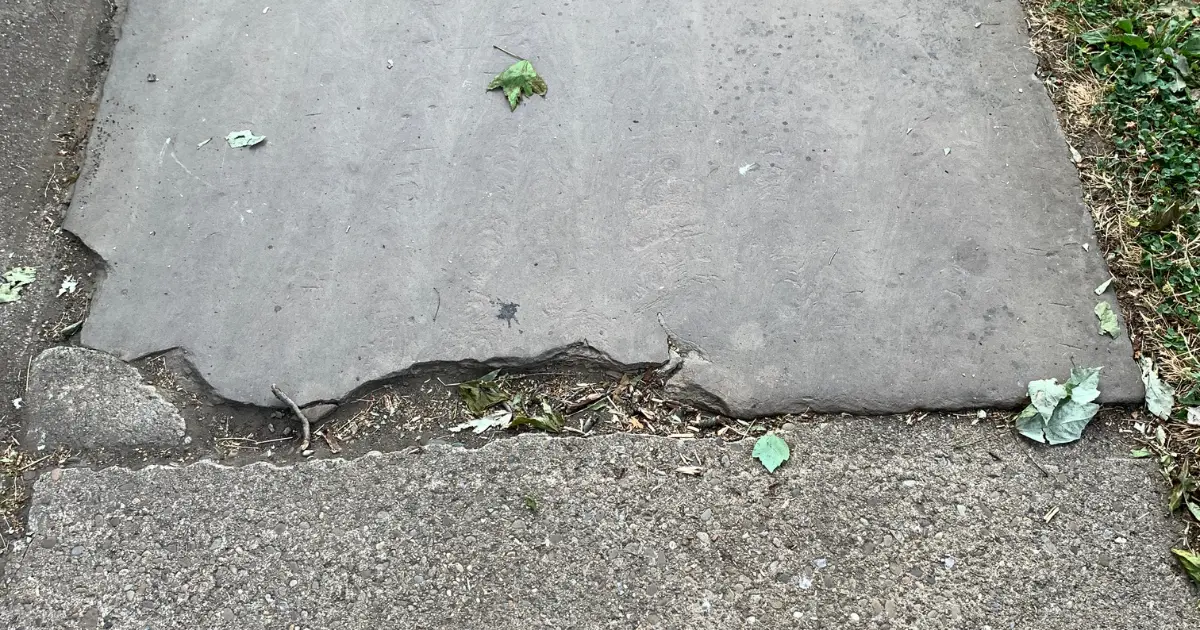
Improper grading allows water to collect under the slab. This weakens the base and causes cracking, sinking, and uneven surfaces. Once cracks form, water intrusion accelerates damage. Freeze-thaw cycles expand those cracks. Repairs become more frequent and more expensive.
Poor concrete mixing ratios also reduce strength. Concrete that lacks proper reinforcement or curing will deteriorate faster under daily use. Homeowners often end up paying for patching, resurfacing, or complete replacement.
Professional concrete patio installation prevents these issues by focusing on proper soil compaction, reinforcement placement, and controlled curing. These steps extend the lifespan and eliminate recurring repair costs.
How Does Professional Base Preparation Prevent Long-Term Structural Failure?
The base layer supports the entire patio. Without a stable base, the concrete slab cannot perform as designed. Professional concrete patio installers near you excavate to the correct depth and remove unstable soil. They install compacted aggregate layers that evenly distribute weight. This prevents settling and uneven surfaces.
Proper grading also ensures water flows away from the patio. Water drainage protects the soil from erosion and prevents foundation instability. Over time, this protects both the patio and nearby structures.
Homeowners who skip professional installation often face costly problems within a few years. The cost of fixing structural failure usually exceeds the original installation cost. This explains how professional concrete installation saves money over time.
Why Does Professional Drainage Planning Save Thousands in Future Repairs?
Water is the most destructive force affecting concrete patios. When water collects beneath the slab, it weakens the soil and causes sinking and cracking. Professional concrete patio installation services include grading and slope adjustments. This ensures water flows away from the patio instead of collecting underneath it.
Proper drainage prevents:
- Soil erosion under the slab
- Freeze and thaw damage
- Mold and moisture buildup
- Structural instability
How Does Reinforcement Improve Strength and Reduce Long-Term Maintenance?
Concrete is strong under compression but weak under tension. Reinforcement solves this weakness. Professional concrete patio contractors use steel reinforcement to improve load capacity. This helps prevent cracks caused by temperature changes, heavy furniture, and ground movement. Reinforced concrete patios maintain structural stability longer. This reduces repair frequency and keeps maintenance costs low over the long term compared to unreinforced slabs.
Why Does Professional Finishing Protect Your Patio From Premature Wear?
Surface finishing affects durability and maintenance needs. Proper finishing prevents surface scaling, chipping, and deterioration. Professional installers use controlled curing techniques. This allows concrete to reach full strength gradually. Proper curing improves resistance to weather, moisture, and wear.
How Does Professional Installation Increase Property Value and Reduce Replacement Costs?
A professionally installed patio improves property appeal and functionality. Outdoor living spaces increase home value and attract buyers. Concrete patios offer a strong return on investment because they require less maintenance than wood decks. They also last longer and resist weather damage. A durable patio adds usable space and improves resale potential. In contrast, poorly installed patios reduce property value due to visible damage and safety concerns.
Why Do Local Soil and Climate Conditions Affect Concrete Patio Longevity?
Soil conditions directly impact concrete stability. Clay soils expand and contract with moisture changes. This movement creates stress that leads to cracking.
The Bay Area has varying soil types and seasonal moisture changes. These factors increase the risk of structural damage if installation is not done correctly.
Professional concrete patio installers near me understand local conditions. They adjust excavation depth, base thickness, and reinforcement to match soil behavior.
This approach ensures long-term performance and reduces the risk of structural failure.
Why Do Homeowners Trust EARTHTEK for Professional Concrete Patio Installation?
At EARTHTEK, we focus on long-term durability, not shortcuts. Our concrete patio installation services follow proven methods that prevent early failure and reduce maintenance costs. We prepare stable foundations, install proper reinforcement, and ensure effective drainage. Our team understands Bay Area soil conditions and designs patios that last for decades.
Homeowners trust us because we deliver:
- Structural integrity that prevents early cracking
- Professional installation that reduces repair costs
- Reliable performance built for local conditions
- Long-lasting results that protect property value
Invest Once and Save for Decades
A concrete patio is not just an outdoor feature. It is a long-term investment in your home. Poor installation leads to repairs, safety risks, and early replacement. Professional installation prevents these problems and delivers decades of reliable use.
At EARTHTEK, we build concrete patios that are strong, stable, and designed for long-term savings. We focus on proper preparation, drainage, and reinforcement to protect your investment from day one.
If you are planning a new patio or replacing an old one, request a quote from our team today. We will help you build a concrete patio that lasts for decades and saves you money long term.
Frequently Asked Questions
How long should you wait before using a new concrete patio?
Concrete begins hardening immediately, but it needs time to reach full strength. Light foot traffic is usually safe after 24 to 48 hours. Heavy furniture should wait at least 7 days. Full curing takes about 28 days. This curing period allows the concrete to reach its designed strength and resist cracking or surface damage.
Is a thicker concrete patio always better?
Not always. Thickness must match the intended use and soil conditions. Most residential concrete patio installation projects use slabs that are 4 inches thick. Patios supporting heavier loads or installed on weaker soil may require 5 to 6 inches. Professional concrete patio contractors evaluate soil stability and usage to determine the proper thickness.
Can concrete patios handle extreme heat and sun exposure?
Yes. Concrete performs well in hot climates when installed and cured correctly. Professional installation includes control joints and proper curing methods that allow the concrete to expand and contract without cracking. Surface sealers can also protect against UV damage and reduce surface wear over time.
Do concrete patios require sealing, and how often should it be done?
Sealing helps protect against moisture penetration, stains, and surface wear. Most concrete patios benefit from sealing every 2 to 3 years. High-traffic patios or areas exposed to frequent moisture may need more frequent sealing. Sealing extends the patio’s lifespan and helps maintain its appearance.
Can a concrete patio be customized to match your home’s design?
Yes. Concrete offers many design options. Professional concrete patio installation services can include stamped patterns, colored finishes, textured surfaces, and decorative borders. These options allow homeowners to match the patio with their home’s style while maintaining durability and long-term performance.
Concrete begins hardening immediately, but it needs time to reach full strength. Light foot traffic is usually safe after 24 to 48 hours. Heavy furniture should wait at least 7 days. Full curing takes about 28 days. This curing period allows the concrete to reach its designed strength and resist cracking or surface damage.
Not always. Thickness must match the intended use and soil conditions. Most residential concrete patio installation projects use slabs that are 4 inches thick. Patios supporting heavier loads or installed on weaker soil may require 5 to 6 inches. Professional concrete patio contractors evaluate soil stability and usage to determine the proper thickness.
Yes. Concrete performs well in hot climates when installed and cured correctly. Professional installation includes control joints and proper curing methods that allow the concrete to expand and contract without cracking. Surface sealers can also protect against UV damage and reduce surface wear over time.
Sealing helps protect against moisture penetration, stains, and surface wear. Most concrete patios benefit from sealing every 2 to 3 years. High-traffic patios or areas exposed to frequent moisture may need more frequent sealing. Sealing extends the patio’s lifespan and helps maintain its appearance.
Yes. Concrete offers many design options. Professional concrete patio installation services can include stamped patterns, colored finishes, textured surfaces, and decorative borders. These options allow homeowners to match the patio with their home’s style while maintaining durability and long-term performance.