The dumpster pad is easy to overlook when you’re planning a paving project — it’s a small area compared to the rest of the lot. That’s exactly why it causes problems. Bay Area cities regulate this specific pad more tightly than almost any other paved surface on a commercial property, and in the area that matters most, asphalt often isn’t allowed at all.
Why Dumpster and Loading Dock Pads Take More Abuse Than the Rest of the Lot
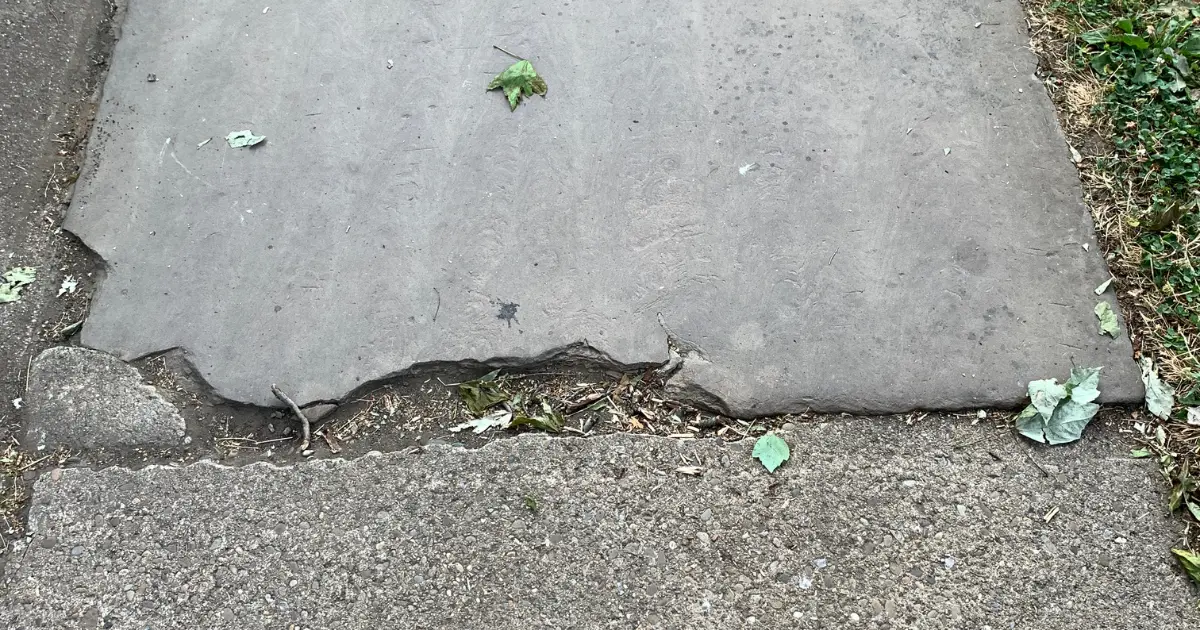
A parking lot spreads vehicle weight across rolling tires moving at speed. A dumpster pad does the opposite: it absorbs a stationary, concentrated load, plus the twisting force of a collection truck’s wheels turning in place while the forks lift and empty the bin. Asphalt is engineered to flex under distributed rolling loads — it’s not designed for repeated static point loads and turning scrub in the same few square feet, week after week.
San José’s own enclosure standards make this distinction explicit: the concrete apron in front of a trash enclosure must be engineered to withstand up to 20,000 pounds of direct force from a single truck axle, and asphalt pavement or paver surfaces are specifically prohibited within that apron because concrete resists the stationary turning forces and repeated loading that asphalt can’t.
What the Concrete Actually Needs to Handle
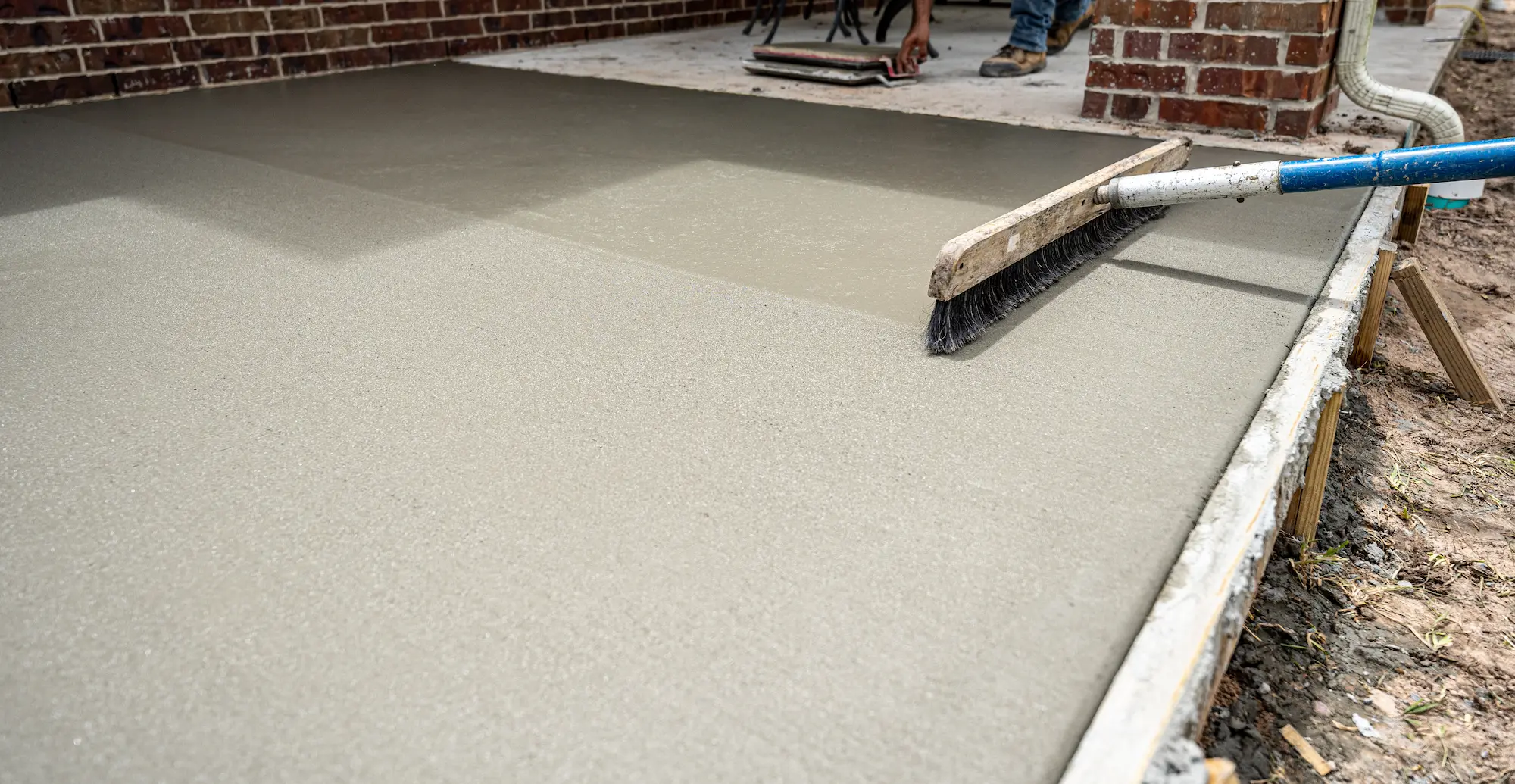
Using San José’s standard as a benchmark for what Bay Area municipalities typically require: the concrete apron must extend a minimum of 8 feet from the enclosure opening, and the full approach path — a straight 40-foot section allowing the collection truck to line up directly with the bin — has to be built to withstand the truck’s gross vehicle weight, up to 57,500 pounds fully loaded.
Other jurisdictions set their own numbers. UC Berkeley’s campus design standard, for comparison, specifies a minimum of 6 inches of reinforced concrete for enclosure pads and front aprons. The specific thickness and reinforcement always depend on the servicing vehicle and the jurisdiction — this isn’t a spec to guess at or copy from a different city’s code.
Drainage and Stormwater Requirements Aren’t Optional
This is where a dumpster pad differs most from ordinary paving. Regional stormwater rules, not just structural ones, dictate how it has to be built. Roofed trash enclosures and covered outdoor storage areas are required source controls across the Santa Clara Valley region specifically because uncovered waste areas let contaminated runoff reach the storm drain system untreated.
San José’s standard lays out the mechanics: the apron has to slope 1/8 inch per foot away from the enclosure with a grade break on all sides, keeping outside stormwater from flowing in and keeping anything inside the enclosure from flowing out. Any drainage inside the enclosure gets plumbed to the sanitary sewer — never to a storm drain, and no storm drain is permitted inside the enclosure area at all.
Access, Turning Radius, and ADA Requirements
The pad itself is only part of the design. San José also requires a 40-foot straight backup distance, a 34-foot inner and 50-foot outer turning radius for the collection vehicle, a minimum 22-foot path width, and 16 feet of overhead clearance free of any overhanging landscaping. An accessible route to the enclosure is also required wherever the enclosure serves a building with public or tenant access.
None of this is negotiable after the fact. A pad that’s structurally sound but built without the correct approach geometry still fails inspection, and the fix usually means redoing paving that was just completed.
What This Means When You’re Planning or Repairing a Pad
If you’re resurfacing a lot that includes a dumpster or loading dock area, or building a new enclosure, the pad and apron need a different scope than the surrounding asphalt — different material, different thickness, different drainage plan, and access geometry checked against your specific city’s standard before anything gets poured. Requirements vary enough between jurisdictions that a spec pulled from a different municipality’s code, or a generic contractor default, isn’t a safe substitute for checking your own city’s current standard.
If you’re planning a repaving project that includes a trash enclosure or loading dock, reach out to our team and we’ll confirm what your specific jurisdiction requires before we scope the work.
Frequently Asked Questions
Can a dumpster pad be asphalt instead of concrete?
In many Bay Area jurisdictions, no — the apron area directly in front of the enclosure is often required to be concrete specifically because asphalt can’t handle the turning forces and concentrated axle loads from collection trucks.
How thick does a dumpster pad need to be?
It depends on the jurisdiction and the servicing vehicle’s weight. Some standards specify structural performance (withstanding a set axle load) rather than a flat thickness number, while others set a minimum like 6 inches of reinforced concrete. Check your local code before assuming a number.
Does a trash enclosure need a roof?
In most Bay Area cities subject to the Municipal Regional Stormwater Permit, yes — a solid roof or cover is required to keep rainwater from contacting waste and carrying contaminants into the storm drain system.
Where should stormwater drainage go for a trash enclosure?
Away from the enclosure on the outside, and to the sanitary sewer (never a storm drain) for anything draining from inside it. Storm drains are typically not allowed inside or immediately around the enclosure area.