When it comes to paving your driveway, parking lot, or walkway, choosing between concrete and asphalt can feel like a high-stakes decision. Each material offers unique advantages and challenges, and the right choice depends on your property type, usage needs, and long-term plans. At EARTHTEK, we specialize in both residential and commercial paving, and we're here to help you make the best decision for your home or business.
Understanding the Basics
Before diving into pros and cons, it’s essential to understand the fundamental differences between concrete and asphalt. Each surface brings specific characteristics that make it better suited to certain environments.
Concrete
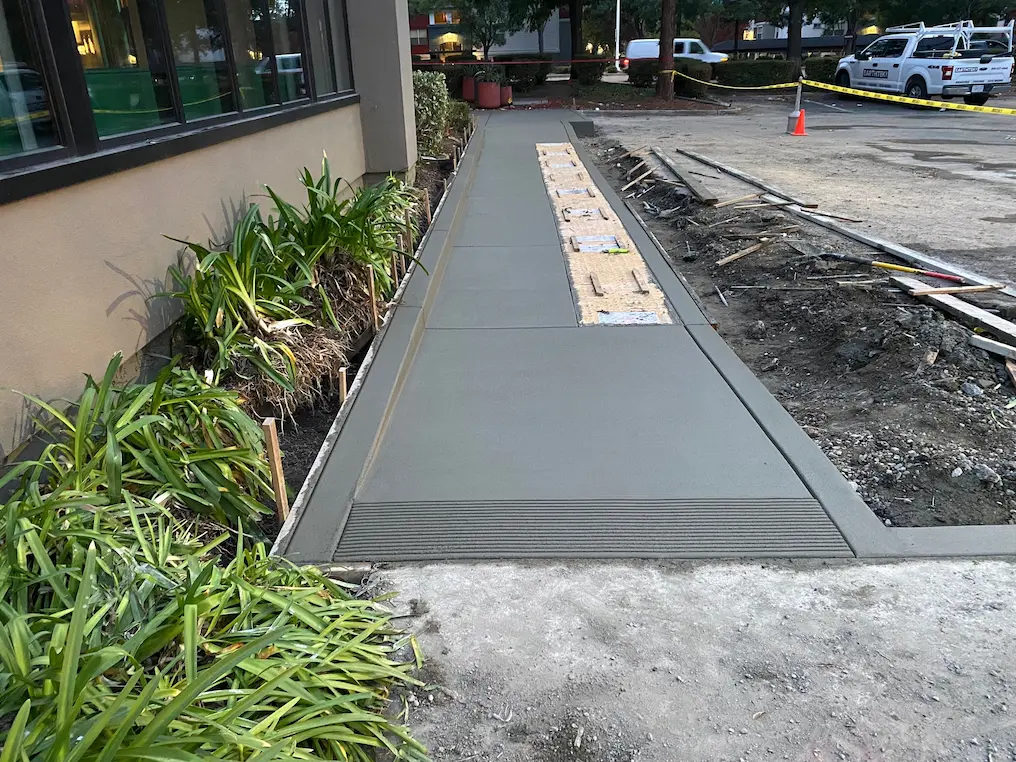
Concrete is made from a blend of cement, water, and aggregates like sand and gravel. It hardens into a rigid surface, offering excellent strength and a clean, polished appearance. Concrete is popular for both residential driveways and commercial walkways where longevity and style matter.
Asphalt
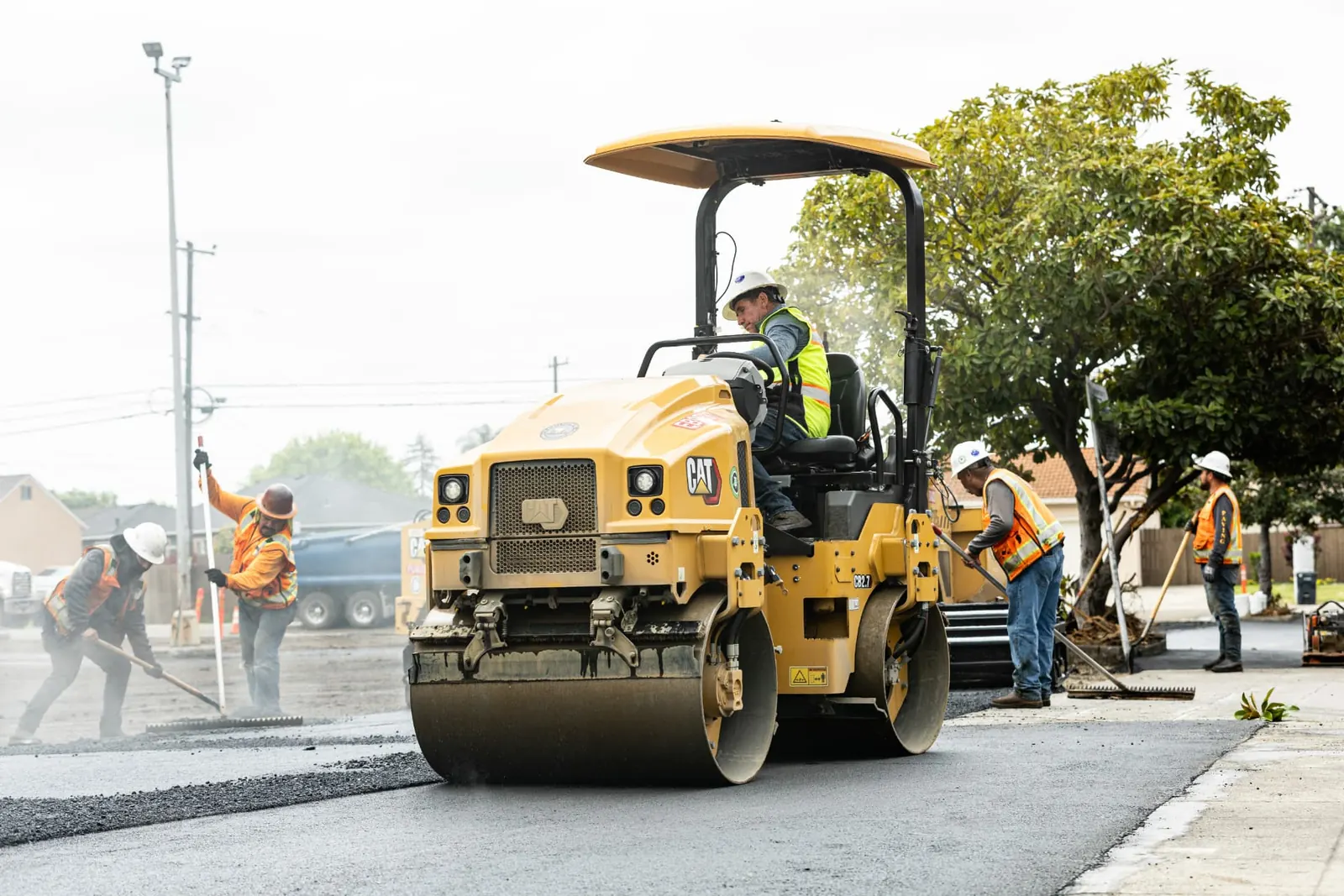
Asphalt is composed of aggregates bound with bitumen, a black, tar-like substance. It’s flexible, adapts well to temperature changes, and can handle frequent use—making it an ideal choice for high-traffic commercial lots and residential roads.
Durability and Lifespan
For residential homeowners and commercial property managers alike, longevity is a critical consideration.
Concrete
Concrete is a long-term investment. With proper installation and care, it can last 30 to 50 years. It holds up well under heavy vehicles, making it perfect for residential driveways or commercial loading zones.
Asphalt
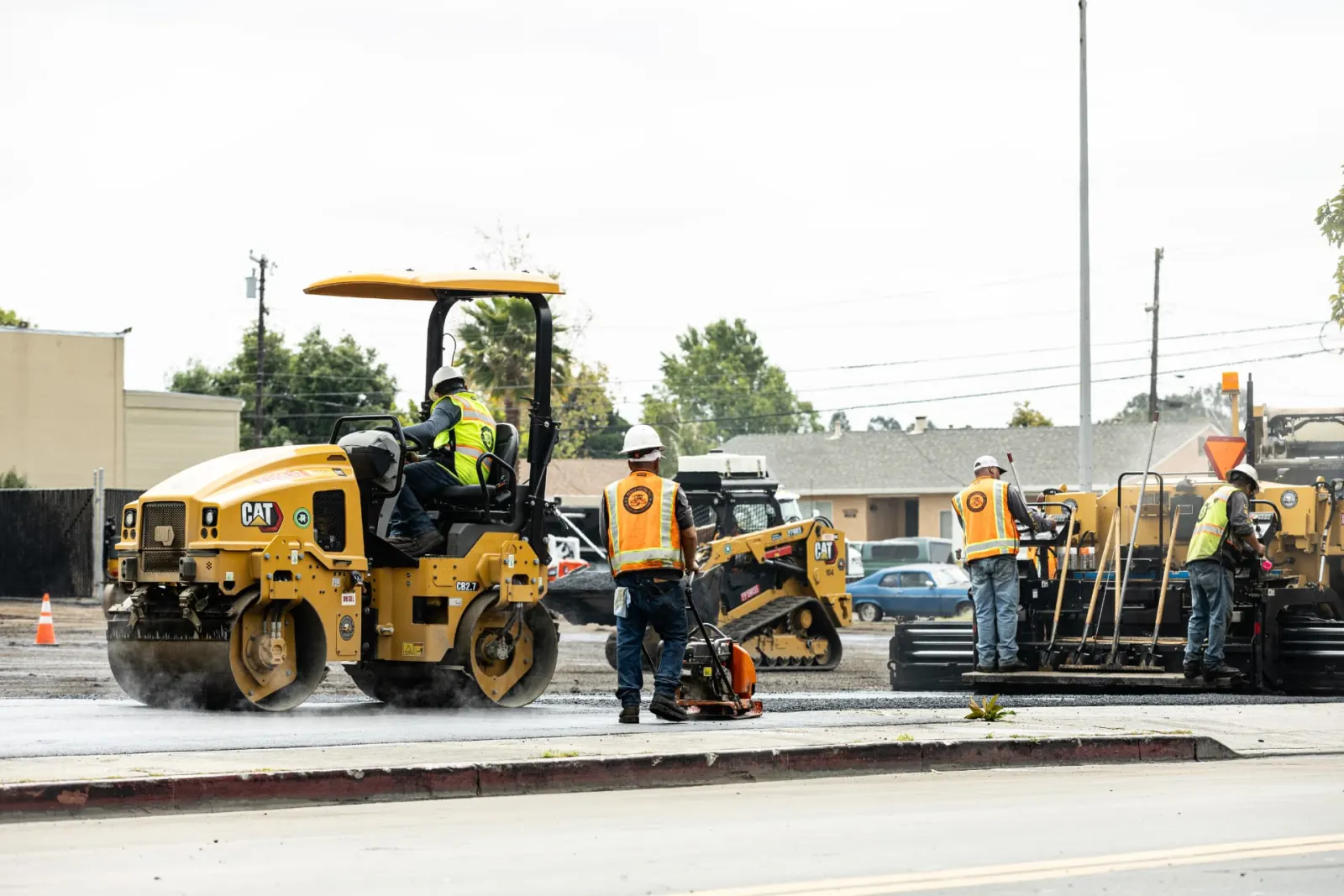
Asphalt generally lasts 15 to 30 years, but it’s easier to repair and resurface. That makes it a favorite for large commercial parking lots where occasional maintenance is manageable and cost-effective.
Maintenance Requirements
Ongoing upkeep can influence your overall costs and convenience.
Concrete
Concrete requires little day-to-day care. Occasional cleaning and sealing help extend its lifespan. However, repairing damaged sections can be more involved and expensive.
Asphalt
Asphalt needs more frequent maintenance, including sealcoating every 3 to 5 years. But repairs are fast and relatively low-cost, especially beneficial for large commercial properties or HOA-managed neighborhoods.
Aesthetic Flexibility
Curb appeal matters—whether you’re welcoming guests to your home or customers to your business.
Concrete
Concrete offers a range of visual options. You can stamp, stain, or color it to create a custom finish. For upscale residences or commercial spaces that want to make a great first impression, concrete delivers.
Asphalt
Asphalt has a sleek, dark appearance that provides a sharp contrast with landscaping. It’s the go-to for commercial lots or roads where uniformity and practicality are top priorities.
Cost Breakdown
Budget plays a big role in your choice, whether you're managing a residential upgrade or a commercial development.
Concrete
Concrete typically costs $4 to $10 per square foot. While it’s more expensive initially, its low maintenance and long lifespan can balance out the investment.
Asphalt
Asphalt comes in at a lower upfront cost—generally $3 to $7 per square foot. It’s ideal for expansive commercial lots or neighborhoods where budgets must stretch across many square feet.
Environmental Factors
Eco-friendliness is an increasing priority for homeowners and commercial developers alike.
Concrete
Concrete’s production has a higher carbon footprint due to cement. But its durability means fewer replacements, which helps reduce long-term waste.
Asphalt
Asphalt is highly recyclable. Using recycled asphalt pavement (RAP) is a great way to reduce environmental impact. It’s a smart choice for eco-conscious commercial properties and residential communities.
Making the Right Choice for Your Property
Choosing between concrete and asphalt isn’t just about cost—it’s about fit. You need a surface that matches your use case, style, and long-term goals.
Here are some helpful takeaways to guide your decision:
- Think About Traffic Load: Use concrete for areas that need to withstand heavy vehicles. Asphalt works great for roads or lots with frequent use.
- Match the Look to the Setting: Choose concrete for decorative walkways or elegant driveways. Asphalt suits utility spaces like commercial lots or neighborhood roads.
- Weigh Immediate vs. Long-Term Cost: Asphalt is cheaper now, but concrete may save you more in the long run.
- Plan for Maintenance: Asphalt requires regular care; concrete may need less frequent but more complex repairs.
- Consider Sustainability: Recycled asphalt is eco-friendly; long-lasting concrete reduces material waste over decades.
Let’s Build Something That Lasts
At EARTHTEK, we understand the unique demands of both residential and commercial paving projects. Whether you're improving your home’s curb appeal or upgrading your business’s functionality, we're ready to deliver durable, attractive, and cost-effective paving solutions tailored to your goals. Contact us today to start planning your next project.