Concrete patios can last 30 years or more, but most homeowners see cracks, stains, or surface wear much sooner. Sun exposure, soil movement, and water intrusion slowly weaken the surface. What starts as a small crack can expand into structural damage that affects safety, appearance, and property value. Many homeowners ask if concrete patio resurfacing is a smart solution or if full replacement is the only option.
The answer depends on the slab's condition. In many cases, patio concrete repair through resurfacing restores strength and appearance without the cost of demolition.
This guide explains how resurfacing works, when it makes sense, and how to choose the right concrete patio repair methods for long-term performance.
What Happens to Concrete Patios Over Time and Why Do They Crack?
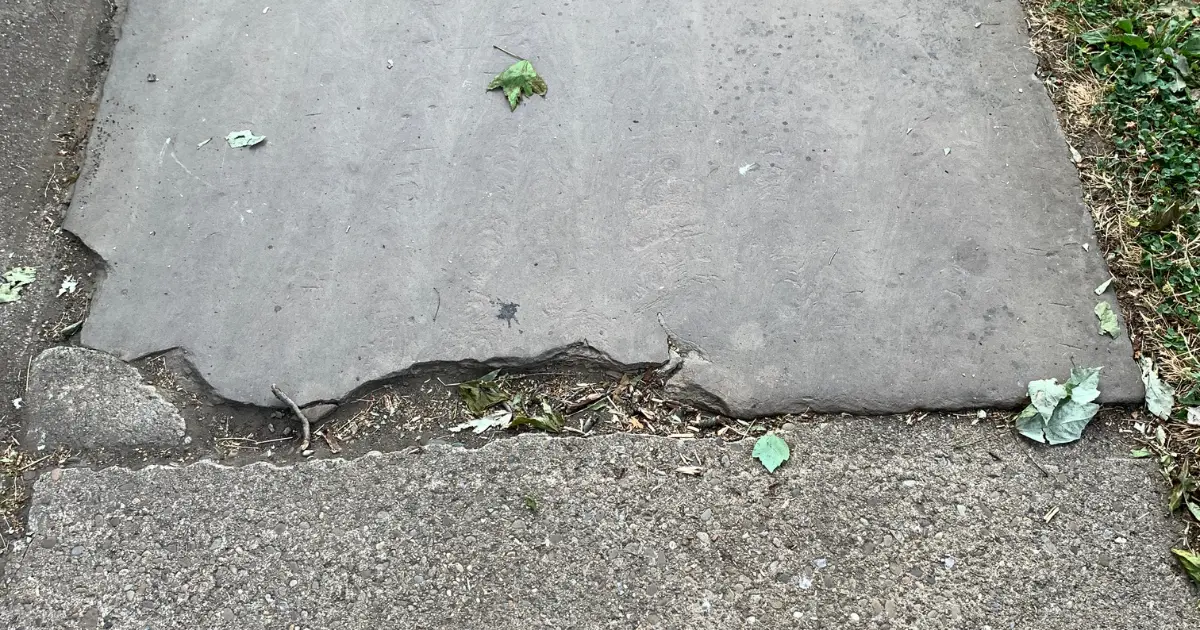
Concrete expands and contracts with temperature changes. Over time, this movement creates stress inside the slab. Small surface cracks form first. If moisture enters those cracks, the damage accelerates.
Even properly installed patios develop surface wear after 10 to 15 years. UV exposure breaks down the top layer, making it rough, faded, and more vulnerable to cracking. These are early signs that your concrete patio needs repair. Acting early prevents more serious structural damage and higher repair costs later.
Several factors contribute to patio concrete crack repair needs:
- Soil movement or poor base preparation
- Water penetration beneath the slab
- Freeze-thaw cycles in cooler regions
- Heavy loads such as outdoor kitchens or furniture
- Improper installation or low quality concrete mix
Is Concrete Resurfacing Good for Patios With Cracks or Surface Damage?
Yes. Concrete patio resurfacing is an effective solution when cracks and damage are limited to the surface, and the slab remains structurally stable. Resurfacing applies a bonded overlay that fills shallow cracks, restores the surface, and protects the concrete from further wear.
This method works best when the patio remains level, the foundation is intact, and the damage has not penetrated deep into the slab. Surface cracks, discoloration, and minor deterioration respond well to resurfacing because the new layer seals the concrete and prevents moisture intrusion.
Concrete resurfacing also extends the lifespan of the patio by 10 to 20 years when installed properly. It strengthens the surface, improves appearance, and prevents small cracks from expanding into structural problems. However, patios with severe settling or deep structural cracks may require concrete slab patio repair before resurfacing can be applied.
Can You Pour New Concrete Over Old Cracked Concrete?
Yes, but only if the existing slab remains structurally stable. Simply pouring new concrete over old, cracked concrete without preparation leads to failure. Cracks transfer upward into the new layer. This process is called reflective cracking.
Proper patio concrete restoration involves surface preparation, crack repair, and the application of bonding agents. Contractors clean the surface, repair cracks with concrete crack-filling services, and apply a bonding layer before resurfacing. This ensures the new layer adheres properly.
Professional installation prevents future separation, bubbling, or early cracking. Without preparation, new concrete may fail within a few years.
How Does Concrete Patio Resurfacing Compare to Full Replacement?
Comparison Category | Concrete Patio Resurfacing | Concrete Patio Replacement |
Cost | Costs 50 to 70 percent less than full replacement because the existing slab remains in place | Costs significantly more due to demolition, removal, and new concrete installation |
Installation Time | Usually completed within 1 to 3 days, depending on patio size and preparation | Takes 5 to 10 days or longe,r including demolition, installation, and curing time |
Structural Requirement | Requires a structurally sound slab with surface-level cracks or wear | Required when the slab has severe structural cracks, settling, or foundation failure |
Disruption Level | Causes minimal disruption to landscaping and surrounding areas | Causes major disruption due to heavy equipment and slab removal |
Purpose | Restores surface strength, seals cracks, and improves appearance | Replaces the entire patio to restore full structural integrity |
Lifespan Impact | Extends patio lifespan by 10 to 20 years with proper installation and maintenance | Provides a new patio that can last 25 to 30 years or longer |
Best Use Case | Ideal for cosmetic damage, minor cracks, and aging surfaces | Necessary for severe damage, deep cracks, or unstable foundations |
What Are the Best Concrete Patio Repair Methods for Long-Term Results?
- Crack filling using professional-grade sealants
- Surface grinding to remove damaged layers
- Concrete patio resurfacing to restore the surface
- Joint repair to prevent water penetration
- Structural repair for sinking or uneven slabs
Residential concrete patio repair often combines multiple methods. Crack repair alone may not address underlying surface deterioration. Resurfacing adds protection and improves performance.
How Long Does Concrete Patio Repair Last After Resurfacing?
The lifespan of patio cement repair depends on the quality of installation, environmental exposure, and maintenance. Properly resurfaced patios typically last:
- 10 to 15 years under normal residential use
- Up to 20 years with proper sealing and maintenance
- Longer in areas with stable soil conditions
Maintenance includes sealing every few years and preventing water accumulation. Routine inspection helps identify minor issues before they worsen. Poor installation significantly reduces lifespan. Hiring experienced concrete patio repair contractors ensures proper bonding and durability.
Can I Repair Concrete Myself or Should I Hire Professionals?
It depends. DIY vs professional concrete patio repair differs in durability and effectiveness. DIY repairs often fail because homeowners lack proper surface preparation tools. Improper repairs allow moisture to return and expand cracks.
Professional repair provides commercial-grade crack-filling materials, surface grinding equipment, proper bonding and curing methods, and long-lasting resurfacing solutions. Concrete patio resurfacing requires specialized materials and techniques using professional installation to ensure proper adhesion and structural protection.
What Are the Signs Your Concrete Patio Needs Repair Before Damage Gets Worse?
These signs indicate the need for patio concrete restoration.
- Visible cracks expanding over time
- Surface flaking or peeling
- Water is pooling on the patio
- Uneven or sinking sections
- Rough or worn surface texture
Concrete patio repair in San Jose often addresses damage caused by soil movement and seasonal weather patterns. Early repair protects your investment and prevents safety hazards.
Why Do Homeowners Trust EARTHTEK for Patio Concrete Repair?
Our experts at EARTHTEK provides professional residential concrete patio repair, resurfacing, and full patio concrete restoration designed for long-term durability. Each project begins with a detailed inspection to identify the root cause of cracks, surface wear, or structural movement. Our team ensures every repair addresses the underlying problem rather than just the visible damage. Each repair is designed to restore structural strength, improve appearance, and protect the concrete from future damage.
Restore Your Patio Without Full Replacement
Concrete patio resurfacing provides a reliable and cost-effective way to repair damaged patios. Early repair prevents structural damage and saves money over time.
At EARTHTEK, we help homeowners restore patios using proven repair and resurfacing methods. We focus on lasting performance and structural integrity. If your patio shows cracks, wear, or surface damage, we can restore it safely and professionally.
Request a quote today and let us help you extend the life of your concrete patio with professional repair and resurfacing solutions.
Frequently Asked Questions
Can concrete resurfacing be done on very old patios?
Yes, resurfacing works on older patios as long as the slab remains structurally stable. Age alone does not prevent resurfacing. Contractors inspect the slab for deep structural cracks, severe settling, or base failure. If the foundation remains intact, resurfacing restores the patio’s surface and extends its lifespan. Many patios over 20 years old benefit from resurfacing instead of full replacement.
Will resurfacing fix uneven areas on my concrete patio?
Resurfacing improves surface appearance but does not correct major structural settling or uneven slabs. Minor surface irregularities can be smoothed during preparation. However, patios with significant sinking or soil movement require structural correction, such as slab leveling or base repair before resurfacing. A professional inspection ensures the proper repair method is used.
What time of year is best for concrete patio repair or resurfacing?
Mild temperatures between 50°F and 85°F provide ideal conditions for patio concrete repair and resurfacing. Extreme heat can cause rapid curing, which weakens bonding. Cold temperatures slow curing and affect durability. Spring, summer, and early fall offer the best conditions in most regions. In California, repairs can be completed year-round due to stable weather.
Does resurfacing make concrete patios stronger or just improve appearance?
Resurfacing does more than improve appearance. Professional resurfacing adds a protective layer that strengthens the surface and prevents moisture penetration. This reduces future cracking and extends the lifespan of the slab. While resurfacing does not replace structural concrete, it significantly improves durability and surface performance when applied correctly.
How long should I wait before using my patio after resurfacing?
Most resurfaced patios can handle light foot traffic within 24 to 48 hours. Heavy furniture and full use should wait at least 3 to 7 days. This curing period allows the bonding layer to fully harden and achieve maximum strength. Following proper curing timelines ensures long-term performance and prevents premature damage.
Yes, resurfacing works on older patios as long as the slab remains structurally stable. Age alone does not prevent resurfacing. Contractors inspect the slab for deep structural cracks, severe settling, or base failure. If the foundation remains intact, resurfacing restores the patio's surface and extends its lifespan. Many patios over 20 years old benefit from resurfacing instead of full replacement.
Resurfacing improves surface appearance but does not correct major structural settling or uneven slabs. Minor surface irregularities can be smoothed during preparation. However, patios with significant sinking or soil movement require structural correction, such as slab leveling or base repair before resurfacing. A professional inspection ensures the proper repair method is used.
Mild temperatures between 50°F and 85°F provide ideal conditions for patio concrete repair and resurfacing. Extreme heat can cause rapid curing, which weakens bonding. Cold temperatures slow curing and affect durability. Spring, summer, and early fall offer the best conditions in most regions. In California, repairs can be completed year-round due to stable weather.
Resurfacing does more than improve appearance. Professional resurfacing adds a protective layer that strengthens the surface and prevents moisture penetration. This reduces future cracking and extends the lifespan of the slab. While resurfacing does not replace structural concrete, it significantly improves durability and surface performance when applied correctly.
Most resurfaced patios can handle light foot traffic within 24 to 48 hours. Heavy furniture and full use should wait at least 3 to 7 days. This curing period allows the bonding layer to fully harden and achieve maximum strength. Following proper curing timelines ensures long-term performance and prevents premature damage.