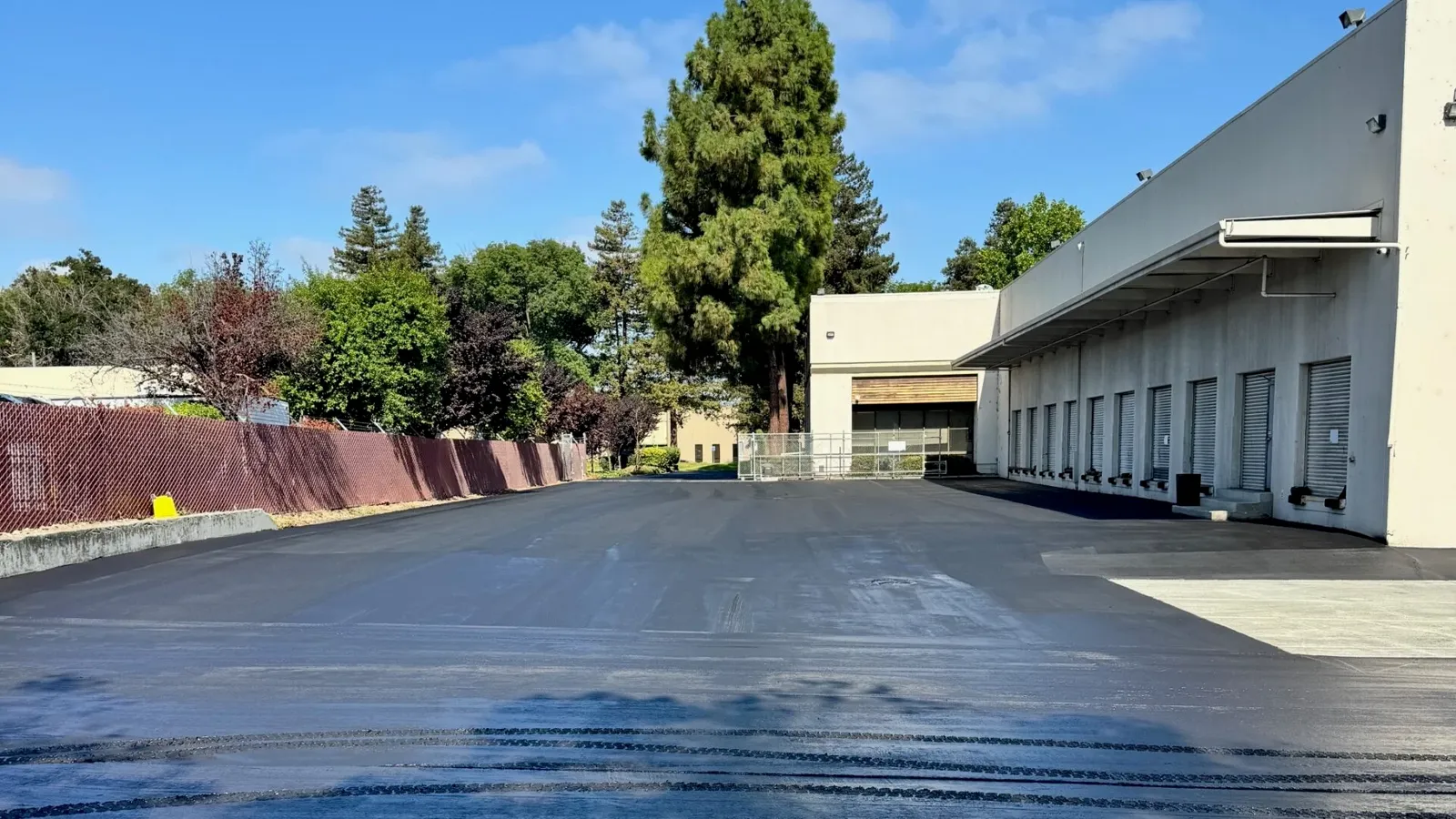
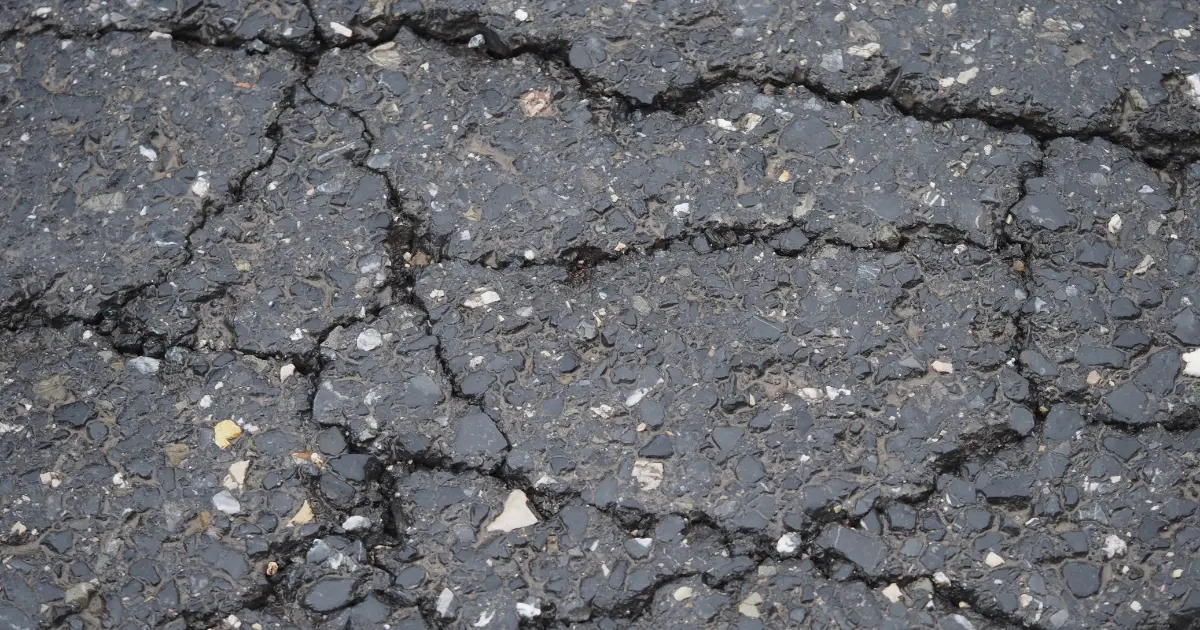
One of the most common questions homeowners ask is, “how long does sealcoating driveway take to dry?” The answer depends on several factors, including weather, temperature, and the type of sealant used. While sealcoating gives your driveway a fresh, protective finish, it’s important to allow proper drying time so the surface cures correctly and lasts as long as possible.
Average Drying Time for Sealcoating
In most cases, sealcoating takes about 24 to 48 hours to dry enough for light use. This means you can usually walk on your driveway after a full day, but vehicles should wait closer to two days before driving or parking. However, drying time can extend to 72 hours or more under less-than-ideal conditions.
Key Factors That Affect Drying Time
While most driveways dry within a day or two, the exact timeline can vary widely. Everything from the weather on the day of application to the type of sealant used will determine how quickly your driveway is ready for use. Understanding these factors not only helps you set realistic expectations but also ensures you protect your investment by waiting long enough for the sealcoat to fully cure.
Weather Conditions
Sealcoating dries fastest in warm, sunny weather. When temperatures are between 70°F and 90°F with low humidity, the sealant cures evenly, often allowing safe foot traffic after 24 hours and vehicle traffic after 48 hours. In cooler temperatures or humid climates, drying slows significantly, and you may need to wait an extra day or two. Rain is another concern—if it falls before the sealant sets, it can streak or wash away the coating, which is why contractors schedule work around the forecast.
Thickness of Application
A thin, even coat dries faster than a thick or multiple-coat application. If your driveway needed two coats for better protection, each layer requires additional time to cure. This can extend the drying process to 72 hours or longer, especially in shaded or cooler areas of the pavement.
Sunlight Exposure
Sections of your driveway that get direct sunlight will dry faster than shaded areas near trees, fences, or buildings. Shaded spots often remain tacky longer, so it’s best to base your wait time on the slowest-drying areas rather than the fastest.
Type of Sealant Used
The type of sealant applied also influences drying time. Asphalt emulsion sealers typically dry faster than coal tar-based products. Eco-friendly, low-VOC sealants may take longer to cure but provide added safety benefits for families, pets, and the environment. Your contractor will provide specific recommendations based on the product used.
When It’s Safe to Walk and Drive on Your Driveway
Foot traffic is generally safe after 24 hours in warm, dry weather. Even so, avoid dragging strollers, bikes, or heavy objects across the surface too soon, since the sealant may still be soft underneath. For vehicles, it is safest to wait 48–72 hours, depending on conditions. Larger vehicles such as RVs, trailers, and delivery trucks should wait even longer, as their weight can leave ruts or peel the sealant if it hasn’t fully cured.
Tips to Help Your Driveway Cure Properly
- Keep vehicles, kids, and pets off the driveway until it has fully dried
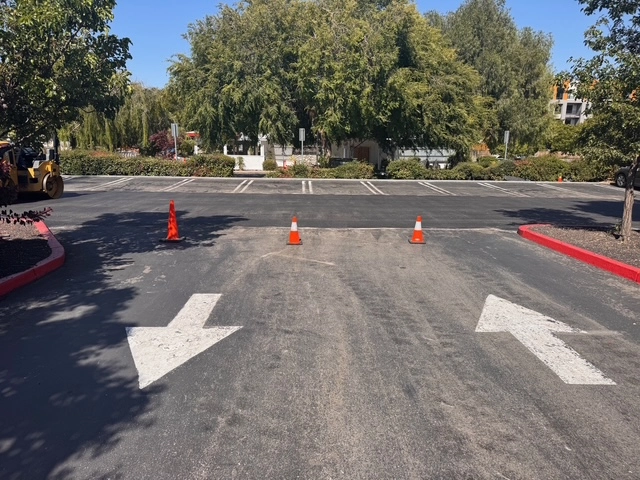
- Place cones, rope, or temporary barriers at the entrance to block access
- Avoid sharp turns or hard braking for the first week, even after the driveway is open to traffic
- Follow your contractor’s specific drying recommendations, since they know the conditions and sealant used
When Your Driveway Is Ready for Use
So, how long does driveway sealcoating take to dry? For most homeowners, the safe range is between 24 and 48 hours for walking and 48 to 72 hours for driving. Still, local weather, sunlight, and sealant type all affect the timeline. Giving your driveway enough time to cure ensures the sealant lasts longer, looks better, and provides maximum protection for your pavement.