Sealing and striping get budgeted as two separate line items more often than they should be. In practice, they are almost always the same project: new striping has to go down after sealcoating anyway, since the coating covers whatever lines were there before. Treating them separately usually means paying for mobilization twice and leaving your lot with faded, sealed-over lines in between.
This post covers how often a commercial lot actually needs sealing and striping, what faded or missing lines put at risk beyond appearance, and how to get more usable space out of the same lot when you restripe.
Why Sealing and Striping Are Almost Always a Package
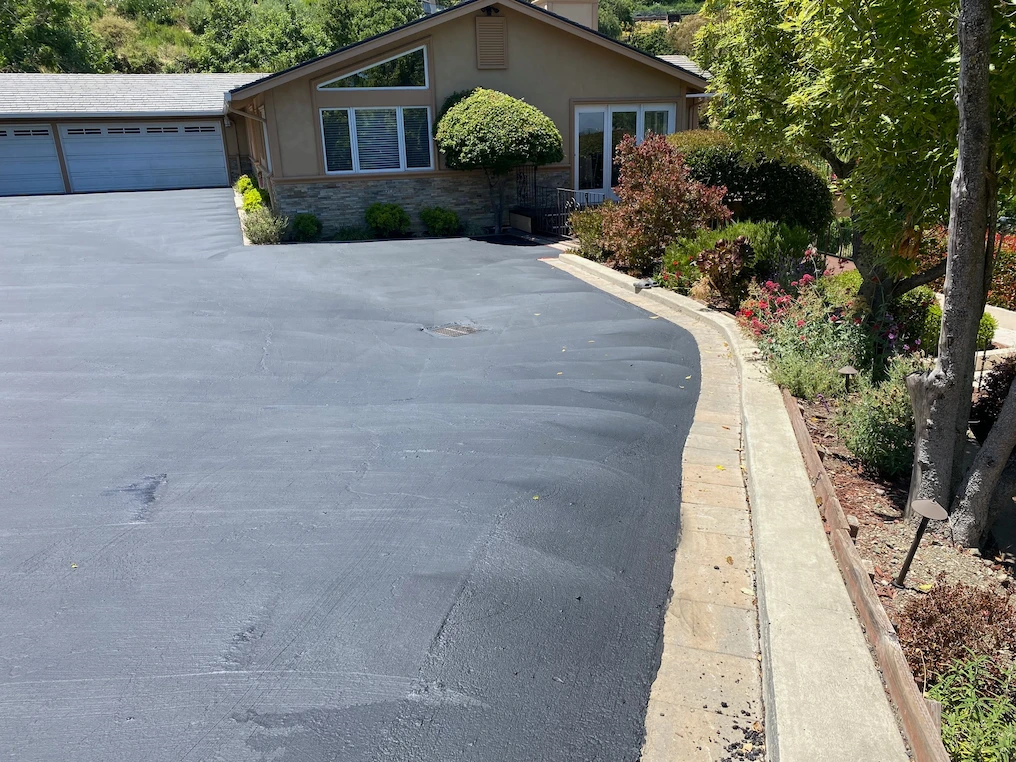
Sealcoating applies a new layer across the entire surface, which means it covers the existing striping along with everything else. Unless the plan is to drive on an unmarked lot for a while, restriping has to follow sealing as part of the same project, not as an afterthought scheduled weeks later. Contractors who treat them as a single job typically price and schedule more efficiently than coordinating two separate visits.
How Often You Actually Need to Reseal and Restripe
According to our parking lot striping page, premium traffic-grade paint and thermoplastic markings hold visibility for 18 to 24 months or longer under normal conditions. That timeline lines up closely with sealcoating intervals: high-traffic commercial properties generally need resealing, and therefore restriping, every 24 to 36 months, while lower-traffic lots can often stretch to 36 to 48 months between cycles.
If your lot is on an ongoing parking lot maintenance plan, this is typically the schedule it is already built around. If it isn't, faded lines are usually the first visible sign that the sealcoating underneath has also aged past its useful window.
What Faded or Missing Striping Actually Risks
Beyond looking dated, faded striping creates real confusion: drivers guessing at stall boundaries, pedestrians crossing through unmarked drive lanes, and accessible spaces that are harder to identify than they should be. The ADA.gov standard requires accessible spaces to be clearly marked and to sit on a surface that is firm, stable, and slip-resistant, and faded markings make that compliance harder to verify at a glance, for you and for anyone inspecting the property. For the full breakdown of California's specific space counts, dimensions, and signage requirements, see our guide to California's ADA Parking Lot Requirements.
Paint vs. Thermoplastic: Which Holds Up Longer
Painted striping is the more common, lower-cost option and works well for most commercial lots on a standard 18 to 24 month cycle. Thermoplastic markings are melted and fused directly into the pavement surface rather than applied on top of it, which generally makes them more resistant to wear from heavy traffic and lasts longer between applications, at a higher upfront cost. For lots with constant truck traffic or tight turning movements, like loading zones or drive-throughs, the longer lifespan of thermoplastic can offset the higher initial price.
Getting More Out of the Same Lot
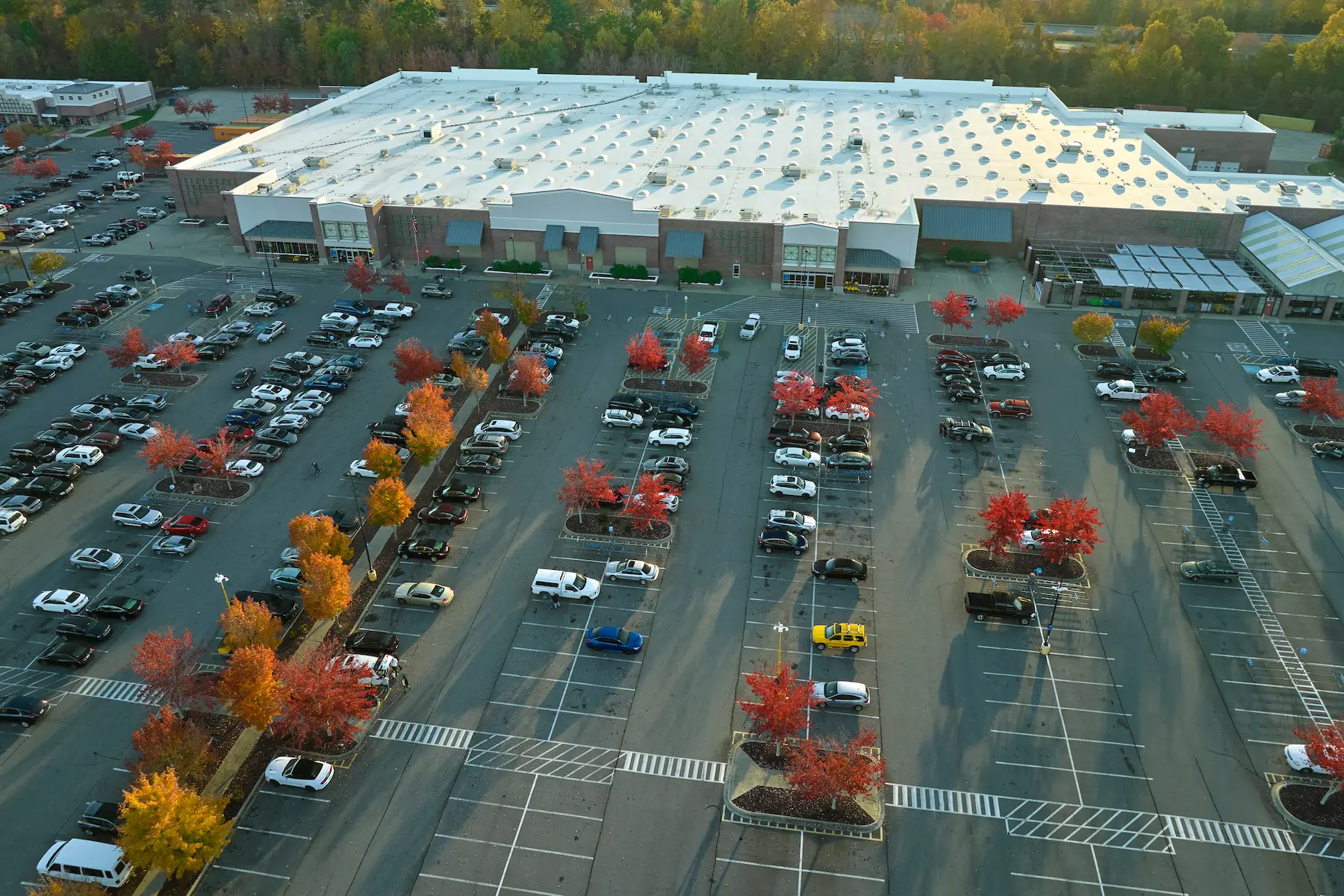
Restriping is also a chance to revisit the layout, not just repaint the same lines. According to EARTHTEK's striping data, strategic layout adjustments, tighter but still compliant stall spacing, better traffic flow patterns, optimized drive lane width, can increase parking capacity by 10 to 20% on the same footprint. For a property with limited expansion options, that is effectively free parking capacity unlocked at restriping time rather than a separate construction project.
When to Repair Before You Reseal or Restripe
Sealing and striping protect and mark a surface, they don't fix one. If your lot has potholes, alligator cracking, or sunken sections, those need to be addressed first, sealing or striping over damage just delays the repair while making it harder to see. Our post on 7 Signs You Need Commercial Parking Lot Repair walks through how to tell whether your lot needs that step first.
Frequently Asked Questions
How often should a commercial parking lot be resealed and restriped?
Generally every 24 to 36 months for high-traffic properties, and every 36 to 48 months for lower-traffic lots, though striping itself can start to fade closer to the 18 to 24 month mark depending on sun exposure and traffic volume.
Can striping be done without resealing the whole lot first?
Yes, if the existing surface is in good condition, striping can be refreshed on its own. But if the lot is also due for sealcoating, doing both together avoids paying for two separate mobilizations and means the new lines go down on a freshly protected surface.
Is thermoplastic striping worth the extra cost?
For high-traffic areas like loading zones, drive-throughs, or main drive lanes, often yes, since it holds up longer under heavy wear. For standard parking stalls with normal traffic, painted striping on a regular cycle is usually the more cost-effective choice.
Does faded striping count as an ADA violation?
Faded markings on their own aren't automatically a violation, but they make it harder to verify that accessible spaces and access aisles meet the marking and visibility standards they're required to meet. See California's ADA Parking Lot Requirements for the specific space, signage, and dimension requirements that apply.
Can layout changes increase how many cars my lot fits?
Often, yes. Adjusting stall spacing and traffic flow during a restriping project can increase usable parking capacity by 10 to 20% on the same footprint, without any construction or expansion required.
Keep the Lines as Current as the Pavement
Sealing and striping are two halves of the same maintenance cycle, not separate decisions. EARTHTEK provides commercial paving services across San Jose, Milpitas, and the wider Bay Area, including sealing, striping, and layout review handled as one project rather than two. If you want the fuller business case for staying on schedule, see our breakdown of parking lot sealcoating ROI.
If your lot's lines are harder to see than they used to be, request a free estimate and we will tell you whether it's time to restripe, reseal, or both.