Asphalt Paving Contractor in San Jose & the Bay Area
Family-owned asphalt paving contractor serving San Jose and the Bay Area for 17+ years. Diamond Certified. Licensed & insured under CA Contractor's License #995715.



Asphalt Paving Services We Offer
EARTHTEK Grading and Paving is a family-owned asphalt paving contractor serving San Jose and the Bay Area for over 17 years. We handle every step in-house — site prep, grading, base, paving, and compaction — so you get one accountable contractor from start to finish. Diamond Certified. Licensed and insured under CA Contractor's License #995715.
Get a Free Estimate
Fill out the form below and we'll get back to you within 1 business day.
How We Work
Site Inspection & Quote
We visit, measure, assess subgrade, and return a written quote.
Site Preparation
Existing surface removal, excavation if needed, and grading for proper drainage.
Base Installation
Class II aggregate base, compacted to spec (typically 4–6 inches for driveways, 6–10 inches for commercial lots).
Paving
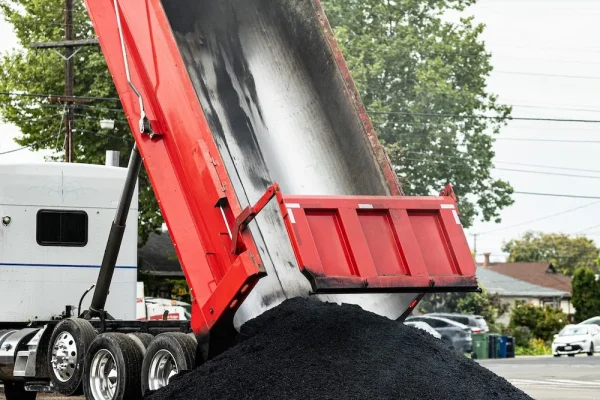
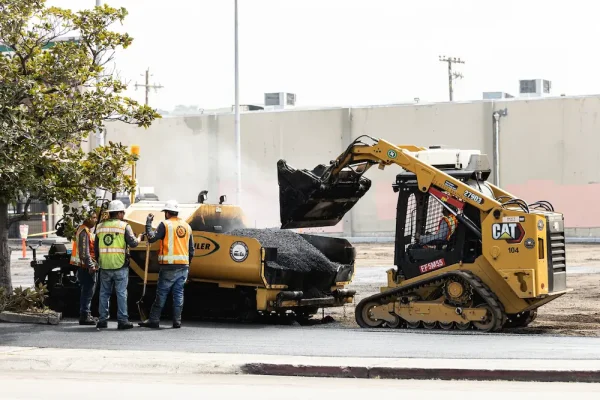
Hot-mix asphalt laid by paver in 2–4 inch lifts depending on project requirements.
Compaction
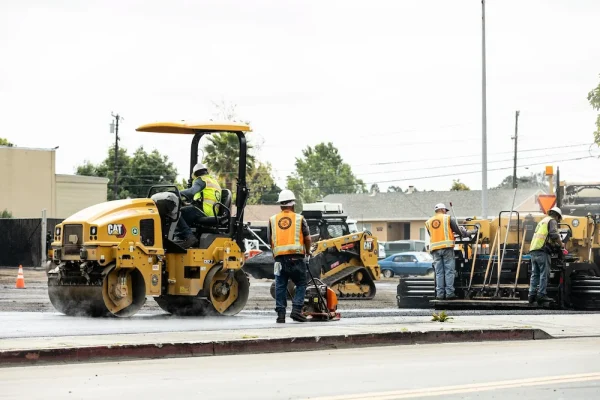
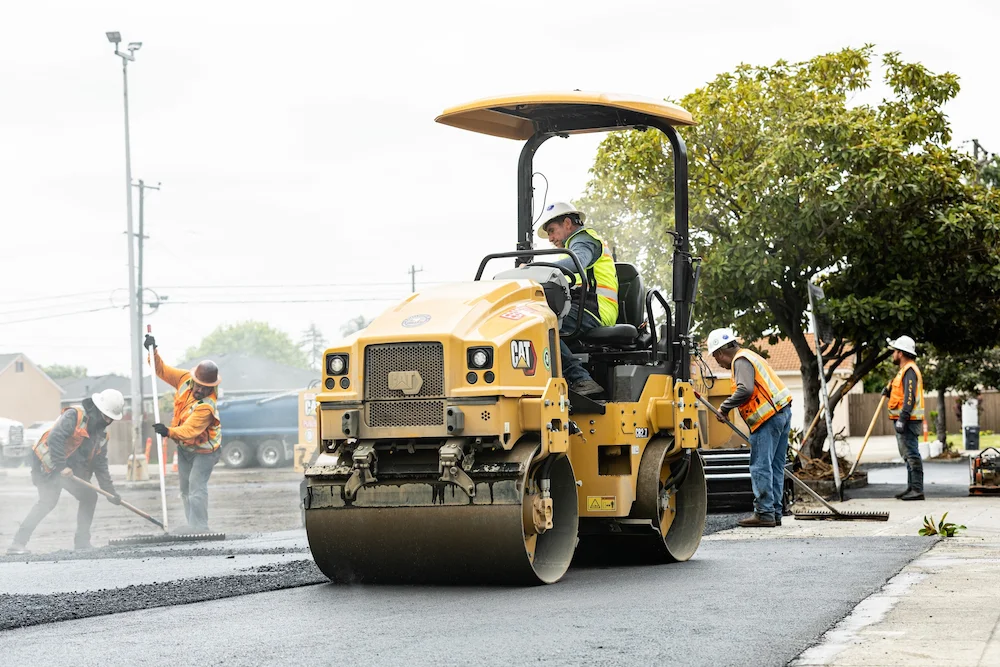
Multi-pass rolling with steel-wheel and rubber-tire rollers to achieve 92%+ density.
Curing
Reopening conditions are agreed before traffic returns.
Striping (Parking Lots)
ADA-compliant striping.
Types of Projects We Complete
New Asphalt Construction
Full installation including subgrade prep, aggregate base, and hot-mix asphalt for new driveways, parking lots, and roads.
Asphalt Overlays
1.5–3 inches of fresh asphalt over existing pavement when the base is still sound. The most cost-effective way to refresh aging asphalt.
Full Resurfacing
Mill the existing surface, repair the base, and lay new asphalt. The right choice when overlays won't hold.
Driveway Paving
Residential asphalt driveways, from new installation to full replacement.
Parking Lot Paving
Commercial lots from 5,000 sq ft to 500,000+ sq ft. After-hours and phased scheduling available.
Roads & Private Streets
HOA roads, private streets, and apartment complex paving with proper drainage and crown engineering.
Municipal Projects
Public roads, bike paths, and infrastructure.
Churches & Schools
Safe, well-marked parking and drop-off zones.
What does it cost to repave a commercial parking lot in San Jose?
A useful repaving estimate starts with the condition of your lot, not just its square footage. EARTHTEK evaluates whether the site needs a surface treatment, repairs, or removal and replacement; the extent of wear; restriping versus a new layout; lot size; phasing; travel distance; and any prevailing-wage requirements. Two lots of the same size can need different work, so compare the scope behind each quote.
Ask for separate descriptions of preparation, damaged areas, paving, drainage adjustments and markings. We do not publish a standard price range because the scope changes by site. For an occupied property, include the access and phasing plan in the estimate so tenants, customers and delivery routes are considered from the start. Our guide to hiring a commercial asphalt paving contractor explains what to discuss when comparing bids.
Should you repair, overlay or replace your parking lot?
The right choice depends on what is failing. Localized damage may call for a targeted repair. An overlay may be an option where the existing pavement and support are suitable. Widespread deterioration, recurring failures or unresolved drainage problems need a closer assessment before deciding whether to remove and replace the pavement.
Bring photographs of recurring potholes, cracks, ponding and previous repairs to the site review. A new surface does not explain why the old one failed. The proposed scope should identify any underlying work before recommending an overlay or replacement.
How often should a commercial lot be repaved?
There is no single repaving schedule that fits every commercial lot. Traffic, drainage, construction quality and maintenance all affect when work is needed. Assess the pavement's condition and the pattern of repairs rather than using its age alone. Repeated patch failures or worsening surface damage are reasons to arrange a review.
A lot used mainly by passenger vehicles has different demands from a loading area used by heavy trucks. Record where problems return and whether they worsen after rain. That history helps distinguish a maintenance need from a larger rehabilitation project.
How long does repaving take, and can the property stay open?
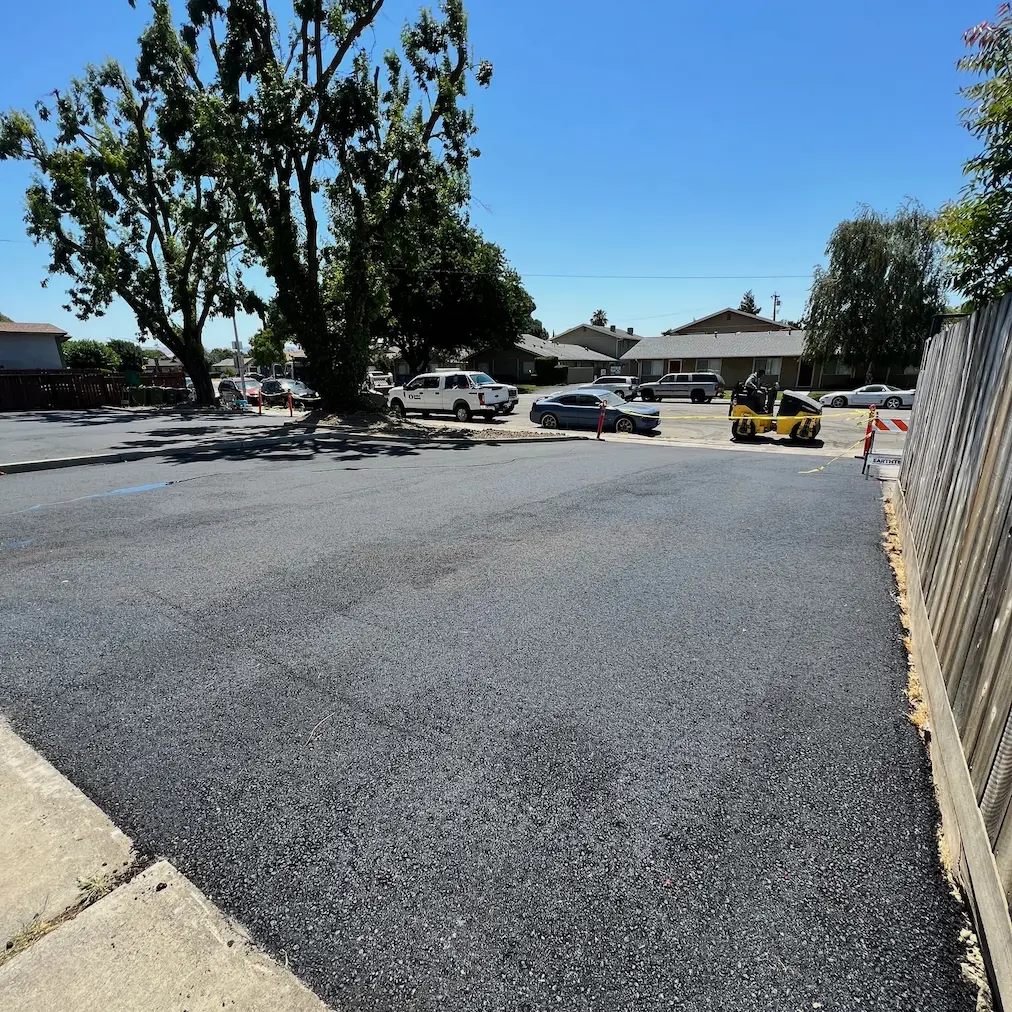
The schedule depends on the work area, removal and repair needs, weather, material requirements and how the property operates. Some projects can be divided into phases, but that needs a workable access plan. Agree on closure areas and reopening conditions before notifying tenants or committing to delivery and customer access.
Identify entrances, loading areas, accessible parking and pedestrian routes before setting the phases. Ask which areas will be unavailable, how each phase will be separated and who will confirm reopening. Construction time and the time before an area can return to its intended use should be discussed separately.
Do you need a permit to repave a commercial lot in San Jose?
The scope matters more than the word 'repaving.' Surface repairs, excavation, drainage changes and a new parking layout can involve different reviews. San Jose's driveway resurfacing exemption applies to the private-property side of the sidewalk; it should not be treated as a blanket exemption for a commercial parking lot.
For work involving excavation, grading or onsite storm drainage, San Jose requires a Grading Permit or Notice of Exemption. Before choosing a paving scope, identify whether grades, drainage, driveway access or accessible routes will change. Keep those items in the project plan, and use the City's published guidance to identify the applicable review.
Which paving material makes sense for a commercial lot?
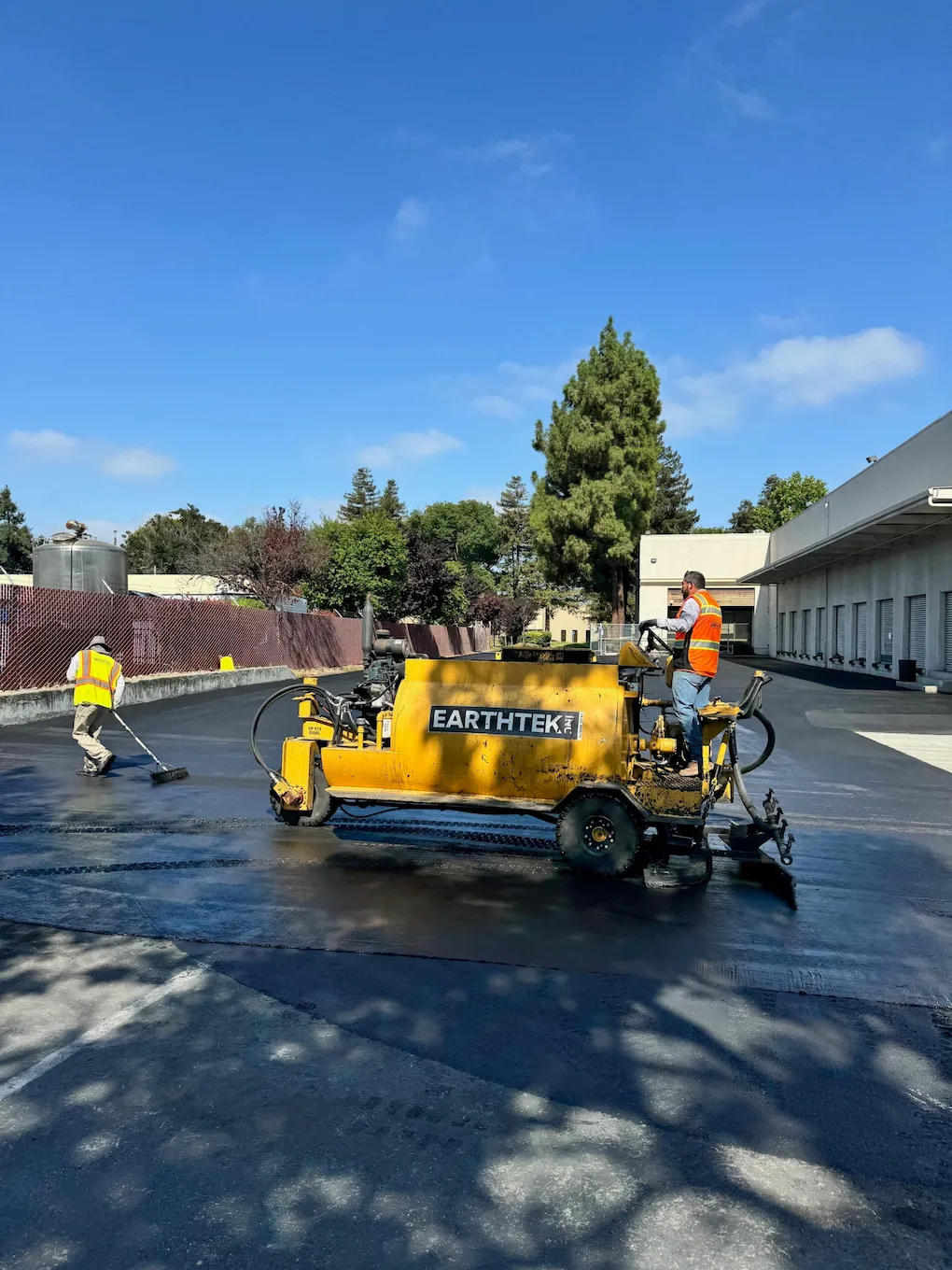
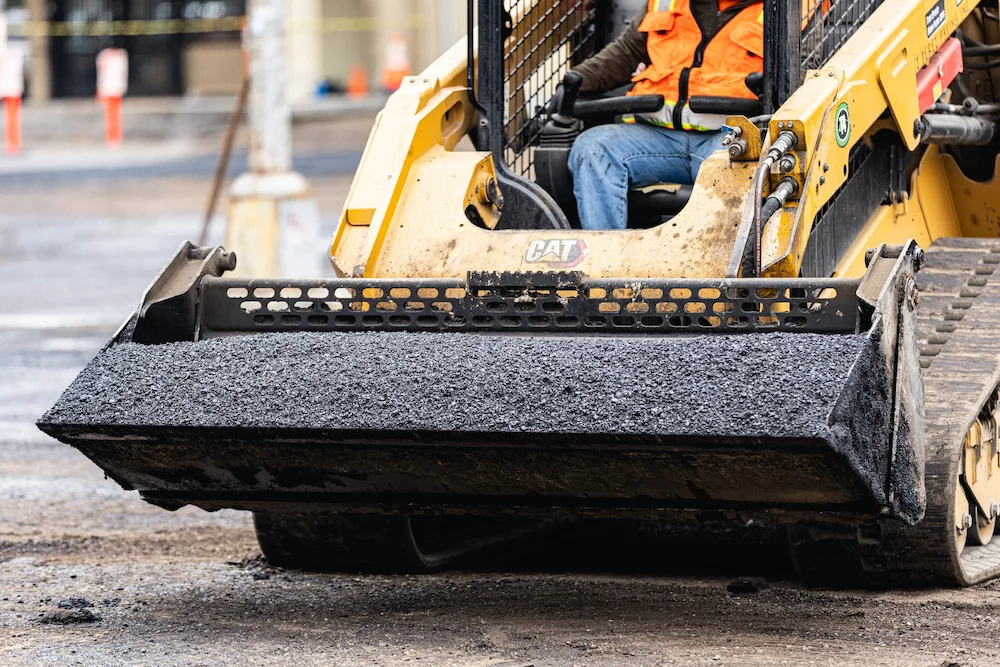
Start with vehicle loads, drainage, maintenance needs and the way each part of the property is used. Asphalt, concrete and other parking lot materials have different design and upkeep requirements. Compare the complete pavement system and expected maintenance, rather than choosing solely by the surface material or the lowest initial quote.
For a side-by-side overview, read our commercial parking lot materials guide. The asphalt, concrete and pavers comparison also covers the differences between common surfaces. Use those guides to prepare questions for a site-specific estimate, especially where loading areas and customer parking have different demands.
Can repaving fix standing water?
Repaving can be part of a drainage improvement, but a new surface alone does not establish where water should go. Review elevations, low areas, inlets and the condition of the supporting pavement first. Any changes need to fit the site's drainage design and applicable approvals before the final paving scope is agreed.
Share photographs taken after rainfall and note whether water collects near buildings, entrances or pedestrian routes. Where the remedy involves changing levels or preparing the site, include grading in the discussion before selecting the surface treatment. Our grading contractor page explains how that work fits with paving.
What maintenance does a newly paved commercial lot need?
Ask for maintenance and reopening guidance for the specific pavement installed. Keep drainage routes clear, watch for developing damage and arrange repairs before small problems spread. Include markings, pedestrian routes and heavily used areas in routine property inspections. Sealcoating and crack treatment should follow an appropriate plan rather than an assumed universal schedule.
Keep the project scope, handover instructions and a record of later inspections together. Our sealcoating and parking lot maintenance information can help you plan the next steps, but the timing of any treatment should reflect the pavement's condition and the recommendations for your project.
Why Choose EARTHTEK for Asphalt Paving
- 17+ years paving in the Bay Area
- Diamond Certified contractor
- Licensed & insured (CA #995715)
- All work in-house (no subcontracting)
- Family-owned and locally operated
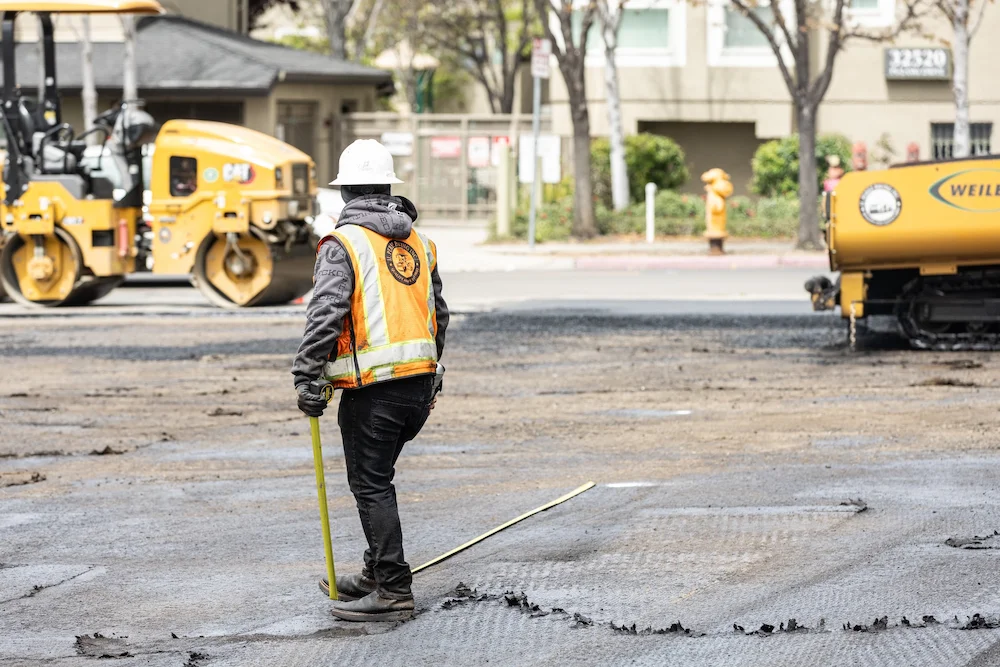
Equipment We Use
Why Businesses Choose EarthTek
17+ years of commercial paving excellence across San Jose and the greater Silicon Valley.
Frequently Asked Questions
Paving & Sealcoating by Industry
View All IndustriesService Areas
EarthTek provides commercial paving services throughout San Jose, Silicon Valley, and the greater Bay Area.
What Our Clients Say
Request a Commercial Paving Estimate
Get a free, no-obligation estimate for your next project.