Quick Takeaway
Primary Insight: No single material is the best commercial parking lot surface. Asphalt, concrete, permeable pavement, gravel and tar and chip each trade upfront cost, lifespan, drainage and maintenance differently.
Key Fact: The Caltrans Highway Design Manual allows a 20-year pavement design life for roadside facilities such as parking lots. Actual service life depends on traffic, base, drainage and upkeep.
Best Suited For: Property managers, developers and facilities managers comparing surfaces for a new commercial lot, a full replacement or a stormwater-driven redesign.
Comparing materials for a commercial lot?
There Is No "Best" Parking Lot Material
Many property owners start by asking which material is best. That question assumes one surface wins on every site, and it does not. Each material is engineered around different loads, drainage conditions and ownership horizons, so the best surface is the one matched to your lot.
In short: asphalt, concrete, permeable pavement, gravel and tar and chip all work for commercial parking, and the right pick depends on your traffic loads, stormwater requirements, subgrade soil and how long you will hold the property. A site evaluation confirms the match before you commit to a design.
This guide covers five options for commercial lots. Cost is shown as a relative tier, not a price, because real cost depends on site conditions. Lifespan figures appear only where a government source publishes one.
Asphalt Parking Lots
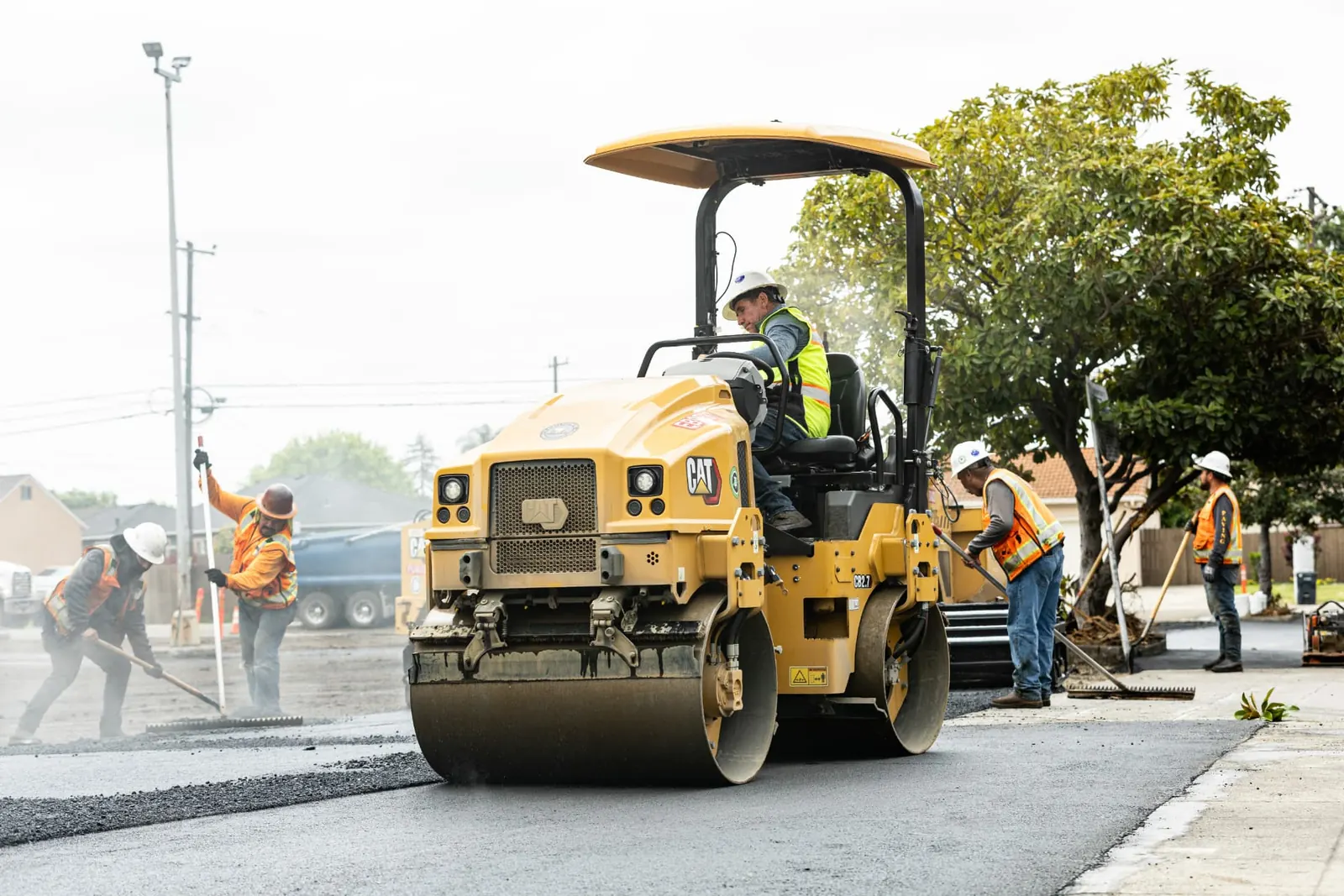
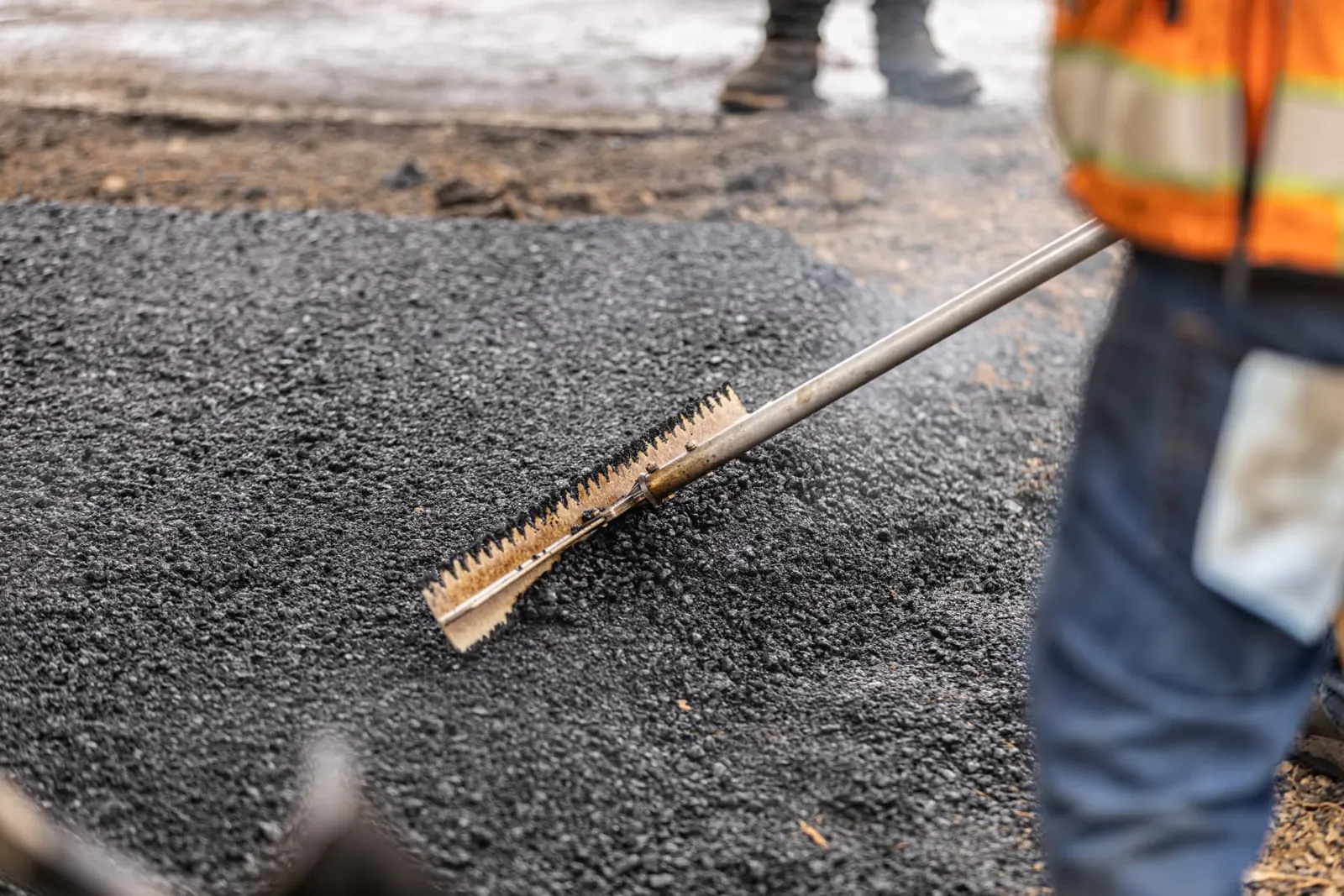
Asphalt is a paved surface built over a prepared base, and it is the surface most commercial lots are measured against. EARTHTEK installs and repairs it through our commercial asphalt paving work.
- Relative upfront cost: Moderate
- Lifespan: The Caltrans Highway Design Manual states that a 20-year pavement design life may be used for roadside facilities such as parking lots and rest areas (Caltrans HDM, Index 612.2). That is a design life, the period a pavement is engineered to perform before reaching its performance thresholds, not a guarantee.
- Drainage: Impermeable. Stormwater runs off and must be managed by the lot's drainage design.
- Best fit: Lots that need a conventional paved surface and standard traffic, where stormwater is handled by site drainage.
Maintenance matters to how long an asphalt lot performs. Sealcoating is a protective, preventive measure that helps shield the surface, not a repair for a failing lot. A damaged lot needs a repair or resurfacing decision, which starts with an assessment of the base.
Concrete Parking Lots
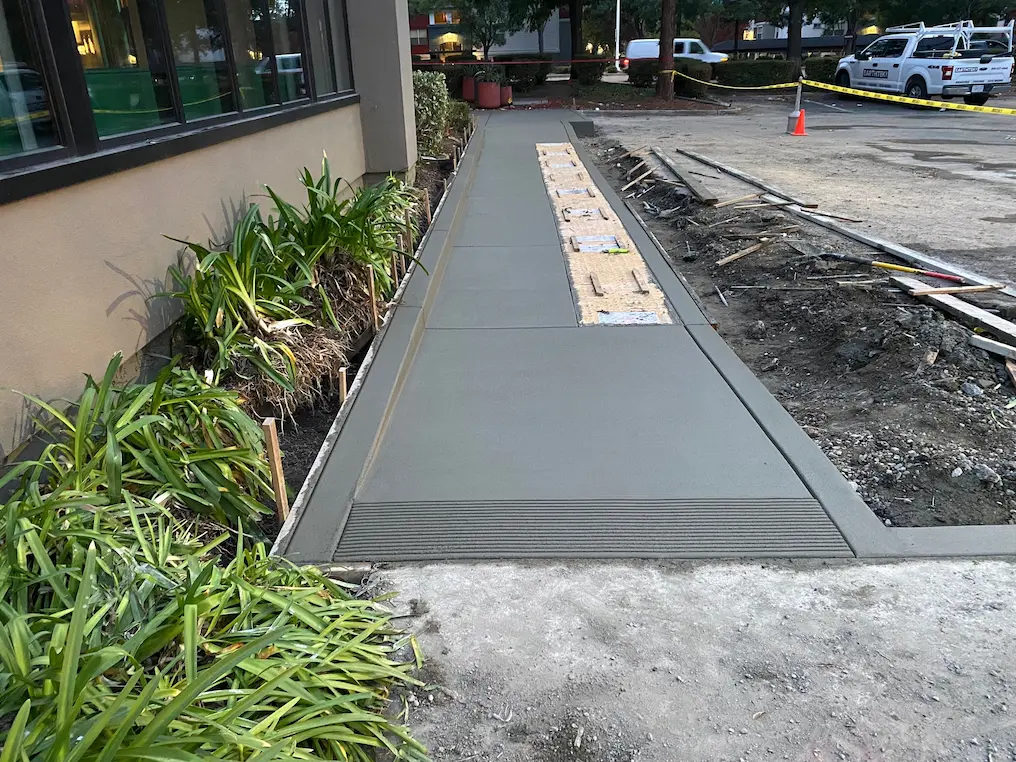
Concrete is a rigid paved surface, and it is the other conventional choice for commercial lots. Our commercial concrete contractor team builds concrete flatwork for commercial sites.
- Relative upfront cost: Higher
- Lifespan: The primary sources reviewed give no concrete-specific parking lot lifespan. The same 20-year parking lot design life applies as a starting basis, and the Highway Design Manual directs engineers to choose pavement type by life-cycle cost analysis rather than by a fixed number (Caltrans HDM, Topic 611). Slab thickness, base, traffic and drainage determine real-world life.
- Drainage: Impermeable.
- Best fit: Lots where the owner weighs the whole ownership period and wants the numbers run on a life-cycle basis rather than upfront cost alone.
For a deeper side-by-side, see our asphalt vs concrete vs pavers comparison.
Permeable Pavement and Pavers
Permeable pavement lets stormwater soak through the surface into layers below. The U.S. Environmental Protection Agency (EPA) describes three types: porous asphalt, pervious concrete and permeable interlocking concrete pavers. Together they are built over a crushed stone bedding layer and base that can temporarily detain stormwater (EPA permeable pavements fact sheet). EPA also notes that private development projects can use permeable pavement to meet post-construction stormwater requirements.
- Relative upfront cost: Higher. EPA notes permeable pavement can also reduce the need for conventional stormwater collection and conveyance infrastructure, which is worth pricing against the upfront premium.
- Lifespan: EPA reports that in cold climates porous asphalt lots can have life spans of more than 30 years and properly built permeable concrete can last 20 to 40 years, compared with about 15 years for a conventional lot in the same cold climate. Those figures reflect freeze-thaw conditions that the Bay Area does not have, so treat them as a reference point, not a local forecast.
- Drainage: Permeable. EPA reports stormwater reduction from 25 to 100 percent depending on design and site conditions.
- Best fit: Lots facing stormwater requirements, or sites with limited room for detention.
The trade-offs are real. EPA states that permeable pavements are not as strong as conventional asphalt and are not appropriate for high volumes and extreme loads, or for areas where spills, fuel leakage or hazardous material handling occur. Clogging from fine particles is the most common maintenance concern, and periodic maintenance such as vacuum sweeping helps preserve permeability. Soil matters too: EPA notes clay soils infiltrate less than sandy soils, so the base and subgrade design must fit the site.
Gravel Parking Lots
Gravel is an unpaved surface of compacted aggregate. It is the lowest-cost option to build, and the one that asks the most of an owner over time.
- Relative upfront cost: Lower
- Lifespan: No fixed lifespan applies. A federal gravel road manual describes an ongoing cycle of blading and regraveling, because aggregate is lost to traffic and weather over time (FHWA-sponsored Gravel Roads Maintenance and Design Manual). The manual covers roads, so apply it to lots as a general guide.
- Drainage: Permeable surface, though it depends on how the lot is graded and maintained.
- Best fit: Low-traffic, overflow or temporary parking where a paved surface is not required.
The same manual states that all gravel roads give off dust under traffic, so plan for dust control and aggregate replenishment as ongoing costs. Gravel also does not exempt a lot from accessibility rules. Read our guide to handicap parking space requirements for unpaved commercial lots before you design accessible stalls on gravel.
Tar and Chip (Chip Seal) Parking Lots
Tar and chip, called chip seal by Caltrans, is an application of asphalt binder on an existing pavement followed by a layer of aggregate chips that is rolled to embed the stone in the binder (Caltrans MTAG, Chapter 7).
- Relative upfront cost: Lower to moderate
- Lifespan: Caltrans lists a typical chip seal treatment life of 5 to 10 years, depending on climate, existing pavement condition, traffic and the type of chip seal.
- Drainage: Impermeable surface.
- Best fit: Light to moderate traffic on a sound base, where a lower upfront cost and a shorter renewal cycle are acceptable.
Caltrans lists structurally deficient pavements as a place not to use chip seal, so the condition of the base decides whether it is the right call.
How to Choose the Right Material
Match the surface to the constraints you cannot change, then compare the rest on life-cycle cost, which is how Caltrans directs engineers to select pavement type.
| Material | Relative upfront cost | Sourced lifespan information | Drainage | Best fit |
|---|---|---|---|---|
| Asphalt | Moderate | 20-year design life allowed for parking lots (Caltrans) | Impermeable | Standard commercial traffic |
| Concrete | Higher | Same 20-year design basis; no single lifespan published | Impermeable | Owners comparing on life-cycle cost |
| Permeable pavement and pavers | Higher | More than 30 years (porous asphalt) and 20 to 40 years (permeable concrete) in cold climates (EPA) | Permeable | Stormwater requirements |
| Gravel | Lower | No fixed lifespan; ongoing regraveling | Permeable | Low-traffic or temporary lots |
| Tar and chip | Lower to moderate | 5 to 10 years typical treatment life (Caltrans) | Impermeable | Light to moderate traffic, sound base |
Ask these questions before you pick:
- What loads will the lot carry? Heavy or concentrated loads rule out some permeable designs, and Caltrans bases pavement design on the loads expected over the design life.
- Does the site face stormwater requirements? If yes, permeable pavement or drainage-driven design moves up the list.
- Which accessibility rules apply? Accessible stalls and routes are required regardless of surface. See California's ADA parking lot requirements.
- How long will you own the property? Short horizons favor a lower upfront cost. Long horizons favor a life-cycle comparison.
- What is under the surface? Subgrade and soil type affect every option on this list.
What Drives Parking Lot Material Cost
EARTHTEK does not quote a per-square-foot price in a guide, because the number depends on the site. These are the factors that move the price of any commercial lot:
- Base and subgrade work. Every option is installed over a prepared base. Permeable systems use a crushed stone bedding layer and base designed to hold and drain stormwater, and soil type affects that design.
- Structural thickness for the traffic load. Caltrans designs pavement to the loads expected during its design life, so heavier use means a heavier section.
- Drainage and stormwater design. A surface that handles stormwater itself can reduce the separate infrastructure a lot would otherwise need.
- Maintenance over time. Gravel needs regraveling and dust control. Permeable pavement needs sweeping to prevent clogging. Chip seal reaches the end of its 5- to 10-year treatment life.
- Life-cycle cost. Caltrans selects pavement type on life-cycle cost, not on the lowest upfront number. Use the same approach for your lot.
Eco-Friendly Parking Lot Options
For commercial owners, the main eco-friendly lever is permeable pavement. EPA states that permeable surfaces "allow rain and snowmelt to seep through the surface down to underlying layers of soil and gravel," and that they can help reduce runoff and filter out pollutants that contribute to water pollution (EPA, Soak Up the Rain). In its fact sheet, EPA also notes permeable pavement may help reduce the urban heat island effect under certain conditions.
Those benefits depend on the design and on keeping the surface free of fine sediment, so confirm the load, soil and maintenance plan first.
Frequently Asked Questions
What is the best material for a commercial parking lot?
There is no single best material. Asphalt and concrete suit most conventional commercial traffic, permeable pavement suits lots with stormwater requirements, and gravel or tar and chip suit lighter use. The best choice depends on your loads, drainage, soil and how long you will own the property.
How long does a commercial parking lot last?
Caltrans allows a 20-year design life for parking lots, though real life depends on traffic, base, drainage and maintenance. EPA reports that permeable concrete can last 20 to 40 years in cold climates, and Caltrans lists 5 to 10 years for a typical chip seal treatment.
How much does a commercial parking lot cost?
Cost depends on the surface, the base and subgrade work, the structural thickness for your traffic, drainage design and long-term maintenance. Gravel is generally the lowest upfront tier, and concrete and permeable pavement are higher. For a price on your site, request a free site evaluation from EARTHTEK.
Is asphalt or concrete better for a commercial parking lot?
Neither wins on every site. Caltrans directs engineers to choose between them using life-cycle cost analysis, not upfront price alone. Asphalt sits in the moderate upfront tier and concrete in the higher tier, but traffic loads, base conditions and your ownership period decide which is the better value.
Does a permeable parking lot reduce stormwater runoff?
Yes. EPA reports that permeable pavements can reduce stormwater discharge by 25 to 100 percent, depending on design and site conditions. Soil type and base storage matter, and the surface needs regular maintenance such as vacuum sweeping so fine sediment does not clog it.
Start With an Assessment, Not a Material
Choosing a surface before you know what is under it is how lots end up with the wrong pavement. EARTHTEK starts with your site: the traffic it carries, how water moves across it, the condition of the base and what you need the lot to do over the years you will own it. Then we recommend a material and explain why.
If you are comparing materials for a new commercial lot or a replacement, request a free site evaluation. We will walk the site, assess it and tell you what it actually needs.